The Complete Road Bike Buying Guide: How to Choose the Right Road Bike for Real-World Riding
Buying a road bike today is harder than it should be.
There are more categories. More marketing buzzwords and more expensive options than ever before. These include aero, endurance, race, gravel-adjacent, all-road, lightweight, compliance-focused, race-inspired, and countless “do-it-all” claims.
For someone trying to buy a road bike that actually fits their life and riding habits. This creates confusion rather than clarity.
The truth is simple. Most riders buy road bikes that don’t match how they actually ride.
- Buy aggressive race bikes even though they don’t race.
- Prioritize weight over comfort.
- Copy professional setups designed for closed roads, team support, and perfect tarmac.
The complete road bike buying guide exists to fix that.
Whether you’re buying your first road bike, upgrading from an older model, or trying to decide if that expensive carbon bike is really worth it. This article will help you choose a road bike that fits:
- Your riding style
- The roads you actually ride
- Your comfort and flexibility
- Your long-term enjoyment of the sport
Not what marketing departments or professional cyclists want you to buy.
Table of Contents
- What Is a Road Bike Today?
- Road Bike Categories Explained
- Geometry: Why It Matters More Than Weight
- Frame Materials: Carbon vs Aluminum vs Steel
- Groupsets Explained (Shimano, SRAM, Campagnolo)
- Wheels and Tires: Comfort vs Speed
- Endurance vs Race Bikes: Which Is Right for You?
- Fit and Sizing: The Most Overlooked Factor
- Budget Breakdown: Where to Spend and Where to Save
- Common Road Bike Buying Mistakes
- Final Checklist Before You Buy
What Is a Road Bike Today?
Traditionally, road bikes were built for one thing: speed on smooth pavement.
They had:
- Narrow tires (23mm or smaller)
- Aggressive, stretched-out geometry
- Minimal concern for comfort
- A strong focus on racing
That definition no longer reflects reality.
Road conditions have worsened in many regions. Riders are riding longer distances. Fewer cyclists race, yet more people ride for fitness, exploration, and endurance.
As a result, the modern road bike has evolved.
Today, a road bike is expected to:
- Handle imperfect and rough pavement
- Accept wider tires for comfort and grip
- Balance speed with stability
- Remain efficient over long distances, not just short efforts
This evolution explains why endurance road bikes now dominate real-world riding. This is not because riders are getting slower, but because they are riding smarter.
Road Bike Categories Explained
Understanding road bike categories is the foundation of making the right purchase.
Endurance Road Bikes
Best choice for most riders.
Endurance road bikes are designed for comfort, stability, and long-distance efficiency, rather than pure racing aggression.
Key features:
- More upright riding position
- Higher stack and shorter reach
- Longer wheelbase for stability
- Clearance for wider tires (typically 30–35mm)
- Frame designs that reduce vibration and fatigue
Ideal for:
- Long rides and endurance events
- Rough or broken pavement
- Recreational and fitness-focused riders
- Riders prioritizing comfort without sacrificing speed
However, despite the name, endurance bikes are not “slow.” They are often just as fast as race bikes on real roads, especially over longer distances.
Race Road Bikes
Race bikes are built with competition in mind.
Key features:
- Aggressive geometry
- Lower stack and longer reach
- Short wheelbase for sharp handling
- Very stiff frames for power transfer
Ideal for:
- Racing and criteriums
- Fast, competitive group rides
- Riders with excellent flexibility and core strength
For non-racers, race bikes often lead to discomfort, fatigue, and underutilized performance. They reward fitness and flexibility, but punish inconsistency.
Aero Road Bikes
Aero bikes focus on reducing aerodynamic drag.
Key features:
- Aerodynamic tube shapes
- Integrated cockpits and hidden cables
- High stiffness
- Often heavier and harsher than expected
Tradeoff: marginal speed gains vs comfort and practicality
Reality: Unless you regularly ride at high speeds in groups or races, aero gains are small and often outweighed by reduced comfort.
Geometry: Why It Matters More Than Weight
If you take one thing from the complete road bike buying guide. Let it be this that geometry matters more than weight, brand, or frame material.
Geometry determines:
- How your body fits on the bike
- The comfort you feel after hours in the saddle
- How confident the bike feels on descents and rough roads
Key Geometry Terms (Simplified)
- Stack: vertical height from bottom bracket to handlebars (upright vs aggressive)
- Reach: horizontal distance to handlebars (stretched vs compact)
- Wheelbase: distance between wheels (stability vs agility)
- Head tube angle: affects steering quickness
Endurance bikes typically feature:
- Higher stack
- Shorter reach
- Longer wheelbase
This results in:
– Less strain on back, neck, and shoulders
– Better control on long descents
– More confidence on imperfect roads
Weight differences of a few hundred grams pale in comparison to geometry differences.
Frame Materials: What Really Matters
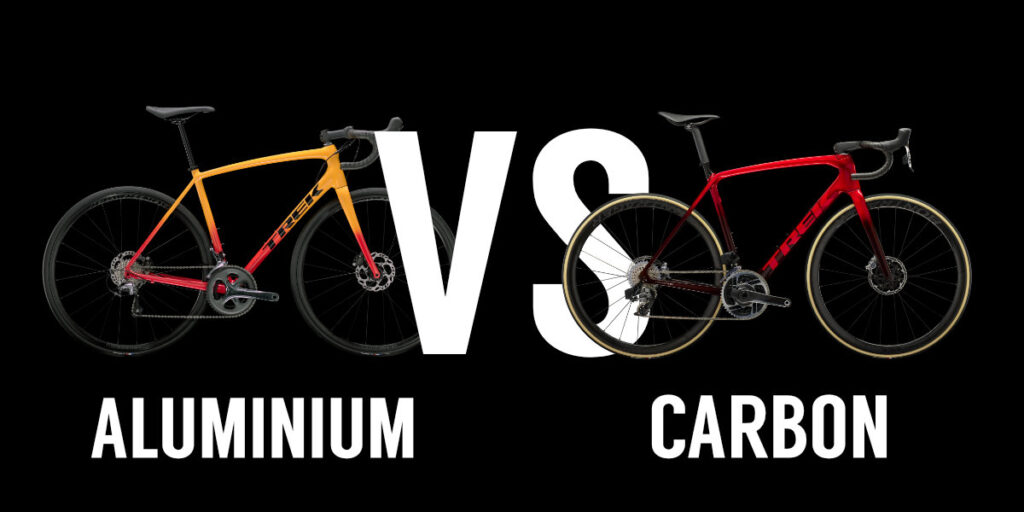
Carbon Fiber
Carbon dominates the road bike market, but not all carbon is equal.
Pros:
- Lightweight
- Tunable ride quality
- Excellent vibration damping
Cons:
- Expensive
- Can hide cost-cutting in lower-end models
- Repairs can be costly
Carbon is excellent, but it doesn’t automatically make a bike good.
Aluminum
Modern aluminum road bikes are vastly better than their reputation suggests.
Pros:
- Affordable
- Durable
- Excellent stiffness-to-cost ratio
- Often paired with carbon forks for comfort
Cons:
- Slightly heavier
- Less prestige
A well-designed aluminum endurance bike with good tires can outperform a poorly designed carbon bike in comfort and real-world speed.
Steel and Titanium
These materials occupy a niche, but a passionate one.
Pros:
- Smooth, compliant ride quality
- Longevity and durability
- Timeless feel
Cons:
- Higher cost
- Limited availability
- Heavier than carbon
Lastly, for riders prioritizing ride feel over specs, steel and titanium remain compelling options.
Groupsets Explained (Simple Version)
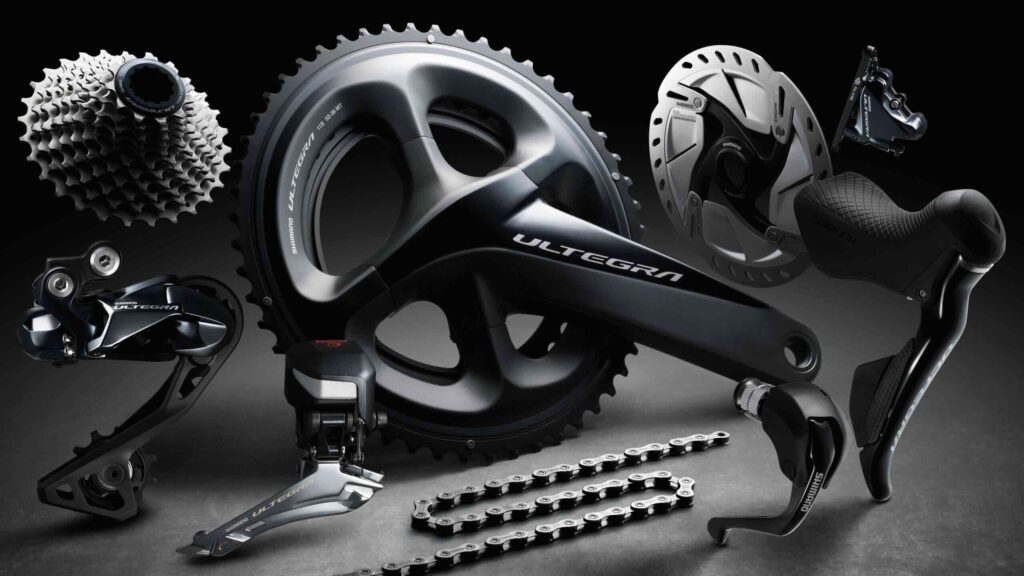
Shimano
- 105: the best value Shimano groupset on the market; reliable and durable
- Ultegra: lighter, smoother, more expensive
- Dura-Ace: elite-level; unnecessary for most riders
SRAM
- Rival: excellent wireless option at a reasonable price
- Force: lighter and more refined
- Red: race-focused and expensive
Campagnolo
- Beautiful engineering
- Smaller ecosystem
- More expensive parts and maintenance
Electronic vs Mechanical Shifting
Electronic shifting is precise and convenient. However, mechanical shifting remains excellent and far more affordable.
For most riders, mechanical shifting is more than enough.
Wheels and Tires: The Biggest Upgrade
Tires Matter More Than Frames
Tires have a massive impact on:
- Comfort
- Grip
- Rolling resistance
Switching from 25mm tires to 28–32mm tires often:
- Reduces fatigue
- Improves comfort
- Maintains or improves real-world speed
Wheel Depth Explained
- 30–40mm: best all-around choice
- 50mm+: aerodynamic but more wind-sensitive and harsher
For most riders, moderate-depth wheels paired with wider tires offer the best balance.
Endurance vs Race Bikes: Honest Comparison
| Feature | Endurance Bike | Race Bike |
|---|---|---|
| Comfort | Excellent | Poor–Fair |
| Long rides | Ideal | Fatiguing |
| Speed | Very fast | Slightly faster |
| Handling | Stable | Aggressive |
| Real-world use | ⭐⭐⭐⭐⭐ | ⭐⭐ |
Conclusion: If you are not racing regularly. An endurance bike will almost always be the better choice.
Fit and Sizing: The Most Overlooked Factor
A poorly fitting road bike will:
- Cause pain and numbness
- Reduce power output
- Decrease motivation to ride
Basic Fit Guidelines
- If between sizes, size down
- Prioritize stack and reach over seat tube length
- Budget for a professional fit if possible
Furthermore, a perfectly fitting mid-range bike will outperform a poorly fitting high-end bike every time.
Budget Breakdown: Smart Spending
Where to Spend Your Money
– Frame geometry that suits your riding
– Quality tires
– Comfortable saddle
– Proper bike fit
Where to Save
– Aero gimmicks
– Ultra-light components
– Fully integrated cockpits
A £/$3,000 bike chosen wisely is often better than a £/$6,000 bike chosen poorly.
Common Road Bike Buying Mistakes
- Buying race bikes “for motivation”
- Ignoring tire clearance
- Overvaluing low weight
- Copying professional setups
- Skipping proper fit
Lastly, most buyer’s remorse comes from choosing bikes that are too aggressive.
The Complete Road Bike Buying Guide Checklist
Before you buy, ask yourself:
- Will this bike still be comfortable after 4–5 hours?
- Can it fit wider tires for rough roads?
- Does the geometry match my flexibility and riding goals?
- Am I buying performance or ego?
Final Thoughts
The best road bike isn’t the lightest, the most expensive, or the fastest on paper.
It’s the bike that:
- Fits your body
- Matches your roads
- Makes long rides enjoyable
Choose comfort and endurance. Choose a bike you want to ride again tomorrow.
The Complete Road Bike Buying Guide FAQs
What type of road bike is best for beginners?
For most beginners, an endurance road bike is the best choice.
Endurance road bikes offer:
- A more upright and comfortable riding position
- Stable handling
- Clearance for wider tires
- Better comfort on rough roads
Although race bikes may look appealing. Their aggressive geometry often leads to discomfort and frustration for new riders.
Is an endurance road bike slower than a race bike?
In real-world riding, endurance road bikes are not meaningfully slower than race bikes.
While race bikes may feel slightly quicker during short, high-intensity efforts. Endurance bikes allow riders to:
- Ride longer
- Stay comfortable
- Maintain higher average speeds over distance
However, for most non-racers, endurance bikes are actually faster over long rides.
How much should I spend on a road bike?
A good road bike typically costs between £/$1,500 and £/$3,000.
At this price range, you can expect:
- A well-designed frame
- Reliable components (Shimano 105 or SRAM Rival)
- Hydraulic disc brakes
- Clearance for wider tires
Lastly, spending more often brings diminishing returns unless you are racing.
Is carbon better than aluminium for road bikes?
Carbon is lighter and more tunable, but aluminum is not worse for most riders.
Modern aluminum road bikes:
- Are comfortable
- Are durable
- Offer excellent value
In addition, a high-quality aluminum bike with good tires can outperform a low-quality carbon bike in comfort and real-world performance.
What tyre width is best for road cycling?
For most riders, 28mm to 32mm tires are ideal.
Wider tires:
- Improve comfort
- Reduce fatigue
- Offer a better grip
- Are often just as fast on real roads
Unless you race on perfect pavement, narrow tires offer little advantage.
Do I need electronic shifting on a road bike?
No. Electronic shifting is not necessary for most riders.
Mechanical shifting:
- Is reliable
- Costs significantly less
- Performs extremely well
Electronic shifting adds convenience, but is not essential for performance.
What groupset is best for value?
Shimano 105 and SRAM Rival offer the best value for most road cyclists.
They provide:
- Excellent shifting performance
- Strong durability
- Easy maintenance
- Wide availability of parts
Higher-tier groupsets mainly save weight.
How important is bike fit when buying a road bike?
Bike fit is one of the most important factors when choosing a road bike.
A poor fit can cause:
- Pain and discomfort
- Reduced power output
- Injury risk
A properly fitting bike will always outperform a poorly fitting one, regardless of price.
Should I size up or down on a road bike?
If you are between sizes, it is usually better to size down.
A slightly smaller bike can be adjusted with:
- Seatpost height
- Stem length
- Spacer placement
A bike that is too large is much harder to fix.
Are disc brakes worth it on a road bike?
Yes, for most riders, disc brakes are worth it.
Disc brakes offer:
- Better stopping power in wet conditions
- Improved modulation
- Consistent braking on long descents
However, rim brakes are still functional, but discs are now the standard.
What road bike features matter most for comfort?
The most important comfort-related features are:
- Proper frame geometry
- Tire clearance
- Tire width and pressure
- Saddle choice
- Correct bike fit
Comfort comes from the system and not a single component.
How long should a good road bike last?
A quality road bike can last 10 years or more with proper maintenance.
Frames often outlast components, which can be replaced or upgraded over time. Buying the right bike initially saves money in the long run.
Is it worth buying last year’s model road bike?
Yes, previous-year models often offer the best value.
You usually get:
- The same frame
- Similar components
- Significant discounts
Technology changes slowly in road cycling.
Should I buy a road bike online or from a local shop?
Both can work, but buying from a local shop offers:
- Professional sizing advice
- Assembly and safety checks
- Ongoing service support
If buying online, make sure you understand sizing and setup.