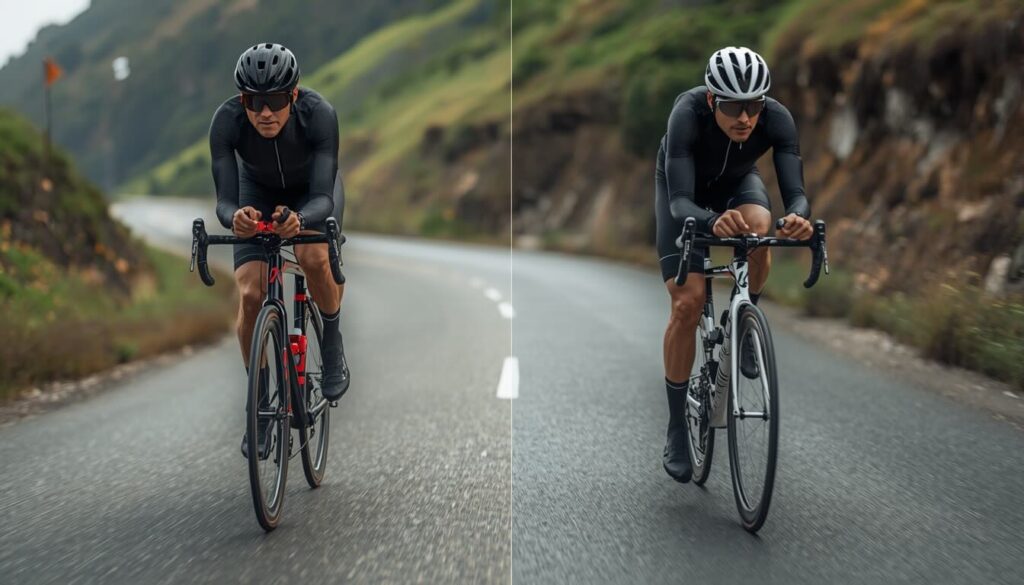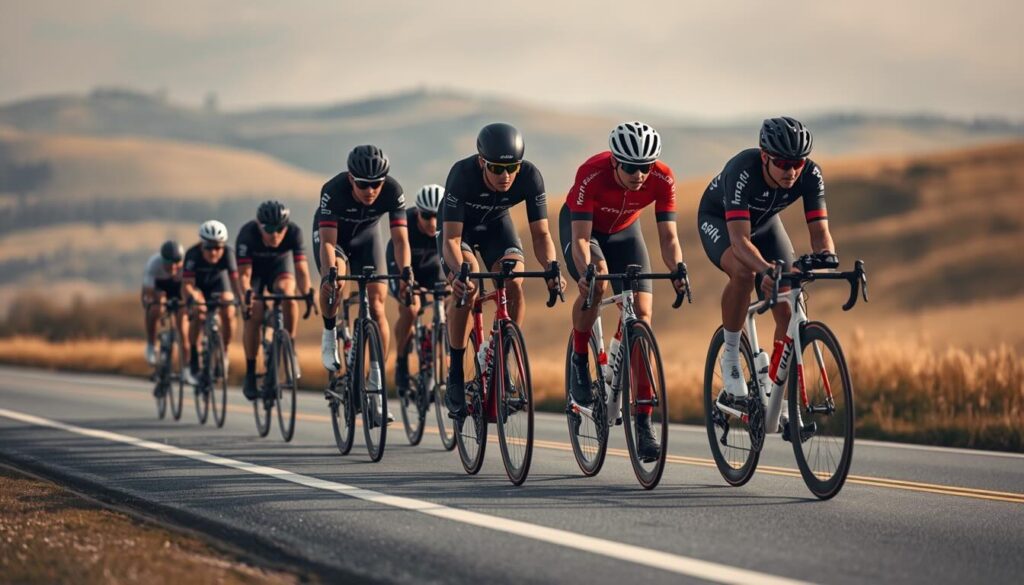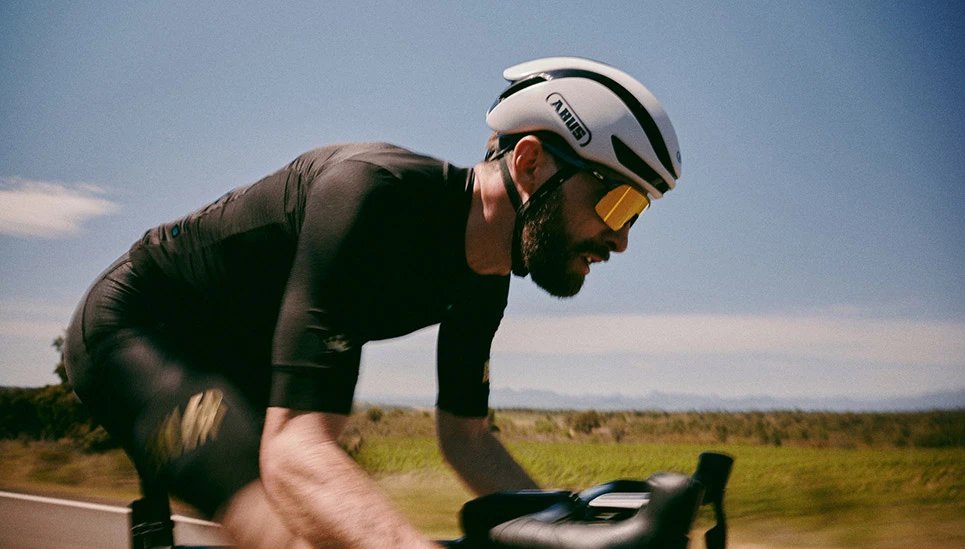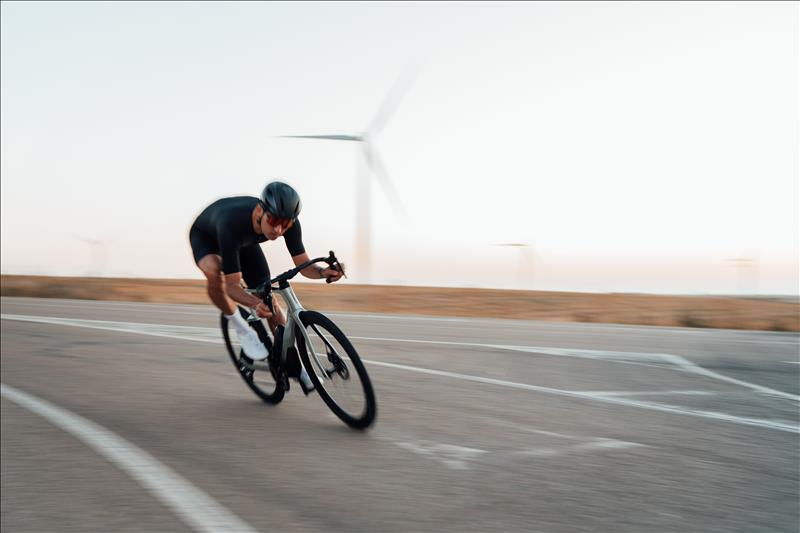
A perfectly fitted road bike feels almost invisible. The road bike fit guide covers all areas.
There’s no sharp pressure on your hands.
No aching lower back halfway through the ride.
No numbness, no hot spots, no constant urge to shift around trying to get comfortable.
You just pedal smoothly, efficiently, and for longer than you expected.
Unfortunately, many riders never experience this. Instead, they assume discomfort is “just part of cycling,” or worse, they blame themselves for problems caused by poor bike fit.
This guide exists to change that.
You don’t need to be a professional racer or spend thousands on custom equipment to ride comfortably. You just need a bike that fits your body and your riding style.
This road bike fit guide focuses on dialing in comfort and performance for real-world riders — the kind who ride long distances, imperfect roads, and want to finish rides feeling tired but not broken.
Why Road Bike Fit Matters More Than Almost Anything Else
Bike fit affects everything.
It influences how much power you can produce, how efficiently you breathe, how confident you feel handling the bike, and — most importantly — whether you actually enjoy riding.
A poorly fitted road bike can cause:
- Neck, shoulder, and lower back pain
- Hand numbness and saddle discomfort
- Reduced power and early fatigue
- Loss of confidence on descents and rough roads
A good fit doesn’t just prevent pain. It makes riding feel natural. Effort spreads evenly through your body instead of concentrating in one unhappy place.
And here’s the most important thing to understand early:
Fit matters more than frame material, weight, or price.
Start With the Right Size (Before Adjustments)
No amount of fine-tuning can fix a bike that’s fundamentally the wrong size.
Road bike sizing is often confusing because brands use different measurements, and riders tend to focus on seat tube length, which is no longer the most useful number.
What matters most today are stack and reach.
Stack determines how upright you can sit.
Reach determines how stretched out you feel.
For endurance riders, which is most people — a slightly higher stack and shorter reach usually leads to better comfort and control.
If you’re between sizes, sizing down is usually safer. A smaller bike can be adjusted with seatpost height and stem length. A bike that’s too large is much harder to fix.
Saddle Height: The Foundation of Your Fit
Everything starts with saddle height.
If your saddle is too low, your knees and quads take a beating.
If it’s too high, you’ll rock your hips and overload your hamstrings.
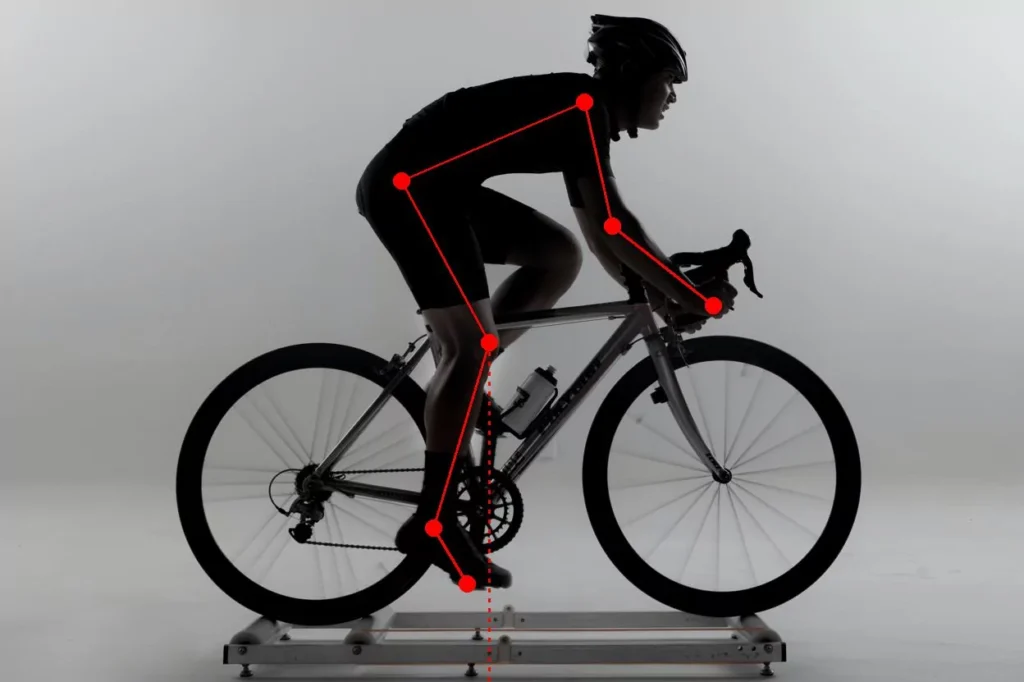
A good starting point is this: when your pedal is at the bottom of the stroke, your knee should be slightly bent, not locked, not overly bent.
You shouldn’t feel like you’re reaching for the pedal, and you shouldn’t feel cramped at the top of the stroke.
Small adjustments matter here. Even 3–5 millimeters can change how your legs feel over long rides, so take your time and test changes gradually.
Saddle Fore-Aft: Finding Balance, Not Power Myths
Saddle fore-aft (how far forward or backward it sits) is about balance, not power output.
When your saddle is positioned correctly, your weight feels evenly distributed between:
- Saddle
- Hands
- Feet
If you feel like you’re constantly pushing yourself backward or supporting too much weight with your hands, your saddle position may be off.
As a general guideline, your knee should be roughly over the pedal axle when the crank is horizontal, but don’t treat this as a strict rule. Bodies differ, and comfort matters more than textbook diagrams.
Saddle Choice: Comfort Is Personal, Not Universal
There is no such thing as “the best saddle.”
There is only the saddle that works for you.
Saddle comfort depends on:
- Your sit bone width
- Riding posture
- Flexibility
- Time spent in the saddle
A saddle that feels fine for 30 minutes can become unbearable after three hours. That’s why endurance riders often prefer slightly firmer saddles. They support rather than compress.
If you experience numbness, pressure, or chafing, don’t assume it’s normal. Saddle discomfort is one of the clearest signals that something in your fit needs adjustment.
Handlebar Height: Comfort Lives Here
If there’s one area where modern riders struggle most, it’s handlebar height.
Many road bikes are sold with aggressive setups that look fast but feel terrible for long rides.
Lower handlebars increase aerodynamic efficiency, but they also increase strain on:
- Lower back
- Neck
- Shoulders
- Hands
For most riders, especially endurance cyclists, a slightly higher handlebar position leads to:
- Better breathing
- Less fatigue
- More confident handling
If you’re constantly riding on the tops just to stay comfortable, that’s a sign your bars are too low.
Comfort doesn’t make you slower. Fatigue does.
Reach and Stem Length: The Stretch Test
Reach determines how stretched out you feel on the bike.
Too long, and you’ll feel pressure in your hands and tension in your shoulders.
Too short, and handling can feel twitchy.
A good reach allows you to:
- Relax your shoulders
- Maintain a slight bend in your elbows
- Support your upper body without locking your arms
Stem length is one of the easiest and cheapest fit adjustments. Swapping to a slightly shorter or longer stem can dramatically change how the bike feels without affecting efficiency.
Handlebar Width and Shape: Often Overlooked, Often Wrong
Many bikes come with handlebars that are too wide.
Wider bars open the chest slightly, but they also increase shoulder strain and reduce comfort for smaller riders.
A good starting point is matching handlebar width to shoulder width. Bars that feel “normal” in the shop may feel wide and awkward after hours on the road.
Bar shape matters too. Shallow drops and shorter reach make it easier to use the drops comfortably — something endurance riders benefit from more than deep, aggressive race bars.
Cleat Position: Small Changes, Big Impact
Cleat position affects how your legs track and how force moves through your feet.
Poor cleat setup can cause:
- Knee pain
- Hot spots
- Achilles discomfort
As a general rule, cleats should place the ball of your foot slightly forward of the pedal axle. Rotational alignment should feel natural. Your feet shouldn’t be forced into an unnatural angle.
If your knees track inward or outward unnaturally, cleat adjustment is often the fix.
Tire Choice and Pressure: Fit’s Secret Partner
Bike fit doesn’t end at the frame.
Tires play a massive role in comfort, fatigue, and control.
Wider tires (28–32mm) at appropriate pressures absorb road vibration far better than narrow, overinflated tires. This reduces strain on your hands, shoulders, and lower back, effectively improving your “fit” without touching the bike.
Many riders chase comfort through expensive components when a simple tire change would solve half the problem.
Fit for Endurance vs Aggressive Riding
Your fit should reflect how you actually ride.
If your rides are long, steady, and exploratory, your fit should prioritize comfort, stability, and breathing room.
If you race or ride short, intense group rides, a more aggressive fit may make sense — but even then, comfort still matters.
The biggest mistake riders make is copying professional setups without professional flexibility, recovery, or support.
When to Get a Professional Bike Fit
A professional bike fit is worth considering if:
- You ride frequently
- You experience recurring pain
- You’ve tried adjusting things yourself without success
- You’re investing in a new bike
A good fitter won’t force you into an aggressive position. They’ll work with your body, flexibility, and goals.
Think of it as an investment in riding more, not just riding faster.
Common Road Bike Fit Mistakes
The most common mistakes aren’t dramatic. They’re subtle and repeated.
Riding bars too low because it “looks right.”
Ignoring saddle discomfort because it’s “normal.”
Making multiple adjustments at once and not knowing what helped.
Chasing speed instead of sustainability.
Most fit problems build slowly, just like discomfort. Address them early.
The Real Goal of Bike Fit
The goal of bike fit isn’t perfection. It’s balance.
A well-fitted road bike feels supportive rather than demanding. It disappears beneath you and lets you focus on the road, the rhythm of the ride, and the simple pleasure of moving forward.
When your bike fits, riding feels easier — not because you’re stronger, but because nothing is fighting you.
Final Thoughts: Comfort Is Performance
A comfortable rider is a faster rider, not in short bursts, but over real distances on real roads.
If you finish rides feeling capable rather than depleted, you’ll ride more often. And consistency beats any marginal gain.
Dial in your fit. Listen to your body. Make small changes patiently.
Your bike should work with you, not against you.