Specialized didn’t start with factories, carbon fibre, or Tour de France ambitions.
It started with a bike shop owner, a van, and a simple belief: cycling could be better if riders were willing to question the status quo.
Over the last five decades, Specialized has grown from a small importer of European components into one of the most influential bike brands in the world, shaping how road bikes are designed, raced, and ridden.
This is the story of how Specialized became Specialized.
The Founder: Mike Sinyard and a Rider’s Curiosity
Specialized was founded in 1974 by Mike Sinyard, a passionate cyclist and bike shop owner from California.
At the time, Sinyard wasn’t trying to build a global bike brand. He was simply frustrated by the lack of high-quality cycling components available in the United States. So he did something simple — and bold.
He loaded a van, travelled to Europe, and began importing premium Italian cycling components (including Campagnolo parts) back to the US.
The company name came from this exact idea: specialised components for serious riders.
From the beginning, Specialized was rider-driven, not trend-driven. Sinyard believed innovation should come from real riding needs — a philosophy that still defines the brand today.
From Components to Complete Bikes (Late 1970s–1980s)
In the early years, Specialized focused on parts, tyres, and accessories. But by the early 1980s, the company made a pivotal move: building complete bicycles.
The Allez Changes Everything
In 1981, Specialized released the Specialized Allez, one of the first mass-produced road bikes to use Japanese manufacturing instead of traditional European hand-building.
This was controversial — and revolutionary.
The Allez delivered:
- Reliable quality
- Consistent sizing
- Affordable performance
It made serious road cycling more accessible and helped establish Specialized as a bike brand, not just a parts importer.
Innovation as Identity (1990s)
The 1990s cemented Specialized’s reputation as an innovation-first company.
Rather than focusing on tradition, Specialized invested heavily in:
- Research and development
- Rider feedback
- Wind tunnel testing
- Early carbon experimentation
The Rise of the Specialized Allez and Steel-to-Aluminum Transition
Throughout the 1990s, Specialized refined aluminum frame design, pushing lighter, stiffer bikes into the mainstream. While European brands often clung to tradition, Specialized embraced modern manufacturing without apology.
The Tour de France: Specialized on the World’s Biggest Stage
Specialized’s Tour de France success helped elevate the brand from innovator to elite race equipment supplier.
Key Tour de France Milestones
- 1980s–1990s: Early pro team sponsorships establish credibility
- 2000s: Specialized becomes a consistent presence in the pro peloton
- 2010s: Dominates with some of the most successful teams in modern cycling
Notable Tour de France Wins on Specialized Bikes
Specialized bikes have been ridden to multiple Tour de France victories, most notably with:
- Alberto Contador (2007, 2009) on the Specialized Tarmac
- Vincenzo Nibali (2014) on Specialized road bikes
- Tadej Pogačar (2020, 2021) riding the Specialized Tarmac SL7 with UAE Team Emirates
These wins weren’t just about rider talent — they showcased Specialized’s ability to build bikes that excelled in:
- Climbing
- Aerodynamics
- Descending
- Long-stage comfort
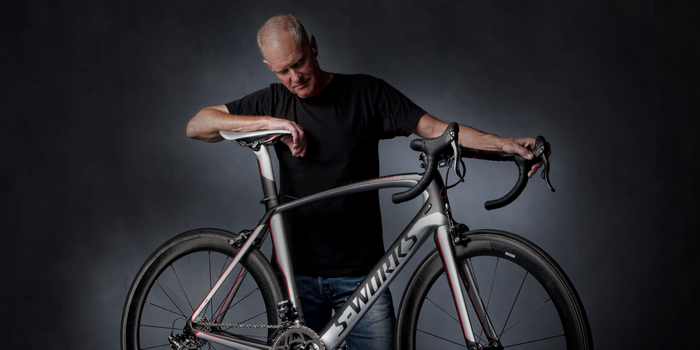
The Tarmac: A Modern Icon
If Cannondale has CAAD, Specialized has Tarmac.
First introduced in the early 2000s, the Tarmac was designed as a do-everything race bike that is light, stiff, and responsive without being fragile or extreme.
Over successive generations, the Tarmac evolved to balance:
- Aerodynamics
- Weight
- Ride quality
The Tarmac SL6 and SL7 represent the culmination of that philosophy — bikes designed not just for pros, but for riders who want race-level performance without sacrificing control.
Beyond Racing: Fit, Comfort, and Body Geometry
One of Specialized’s most important contributions to cycling wasn’t a bike, it was fit philosophy.
Body Geometry & Rider-First Design
Specialized invested early in:
- Pressure mapping
- Saddle ergonomics
- Shoe and insole design
- Contact point optimisation
This led to products that prioritised comfort, injury prevention, and long-term riding health — ideas that are now industry standard.
Specialized helped shift the conversation from “ride through discomfort” to “design around the human body.”
The Roubaix and Endurance Riding
Long before endurance bikes became mainstream, Specialized introduced the Roubaix, a road bike designed to reduce fatigue over long distances and rough surfaces.
With features like:
- Compliance-focused geometry
- Vibration-damping designs
- Later, Future Shock suspension
The Roubaix showed that comfort could coexist with speed — especially on real roads.
Specialized Today: Big, But Still Rider-Led
Specialized is now a global powerhouse, with advanced R&D facilities, athlete partnerships, and one of the largest product ecosystems in cycling.
Yet its identity remains remarkably consistent:
- Rider-first thinking
- Data-backed design
- Willingness to challenge tradition
From entry-level road bikes to Tour-winning machines, the brand’s focus is on how bikes feel over hours, not just minutes.
A Timeline of Specialized Bikes
🕰️ 1974 — Specialized Is Founded
Mike Sinyard starts Specialized in California, importing European cycling components.
🚲 1981 — The Allez Is Born
Specialized releases the Allez, one of the first mass-produced performance road bikes.
⚙️ Late 1980s — Full Commitment to Bike Manufacturing
Specialized transitions from components to complete bike design and production.
🧪 1990s — Innovation Becomes the Brand
Heavy investment in R&D, aluminum frames, and early carbon experiments.
🏁 2000s — The Tarmac Era Begins
The Specialized Tarmac becomes the flagship race bike.
🏆 2007–2009 — Tour de France Wins with Contador
Specialized bikes claim multiple yellow jerseys.
🛣️ 2010s — Roubaix Defines Endurance Bikes
Comfort-focused road bikes become mainstream.
🚴♂️ 2020–2021 — Pogačar Dominates the Tour
Tadej Pogačar wins back-to-back Tours on the Specialized Tarmac SL7.
🌍 2020s — Specialized Today
A global brand balancing elite racing, everyday riders, and innovation-led design.
Why Specialized Still Matters
Specialized matters because it helped modernise cycling.
It:
- Democratized performance bikes
- Normalised innovation over tradition
- Put rider fit and comfort at the centre of design
- Proved racing success and real-world usability could coexist
Whether you ride an entry-level Allez or a Tour-winning Tarmac, Specialized’s influence is everywhere — even on bikes that don’t carry the logo.
Final Thoughts: A Brand Built by Riders
Specialized didn’t grow by preserving tradition.
It grew by asking better questions:
- Why does a bike feel this way?
- What if we changed it?
- What would make riders want to ride longer?
That curiosity — born from one rider’s frustration in the 1970s — still defines the brand today.
And that’s why Specialized remains one of the most important names in cycling.