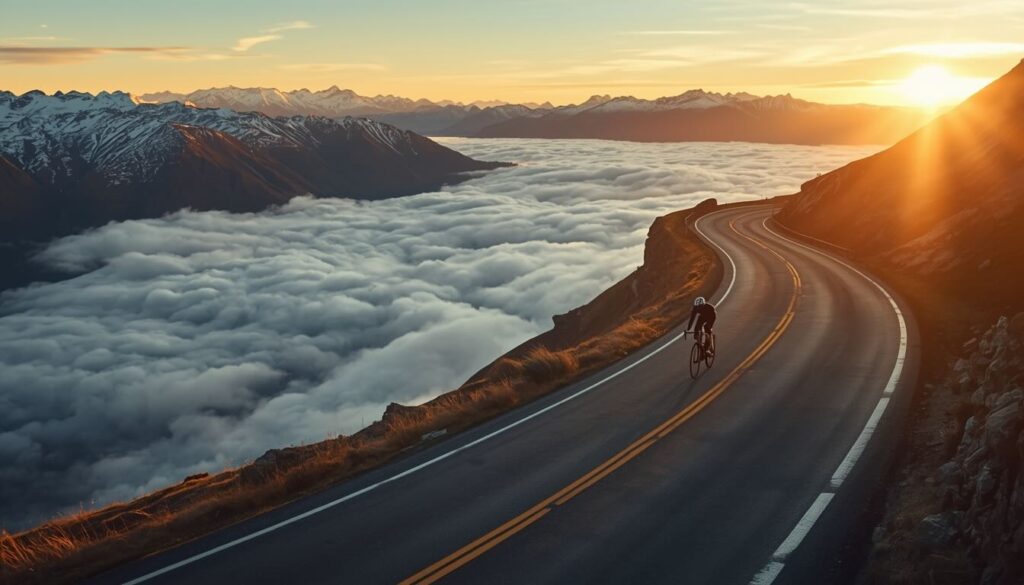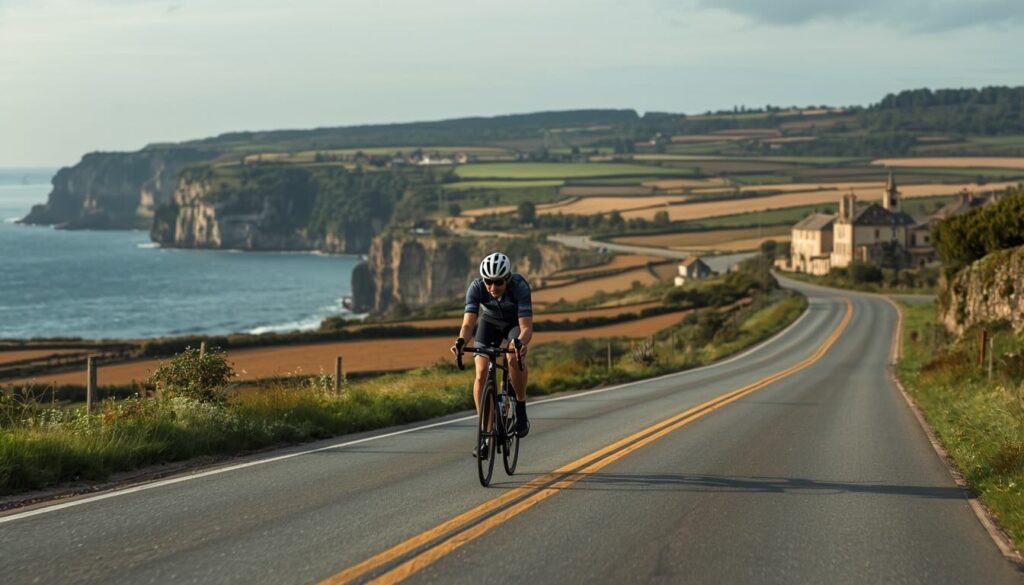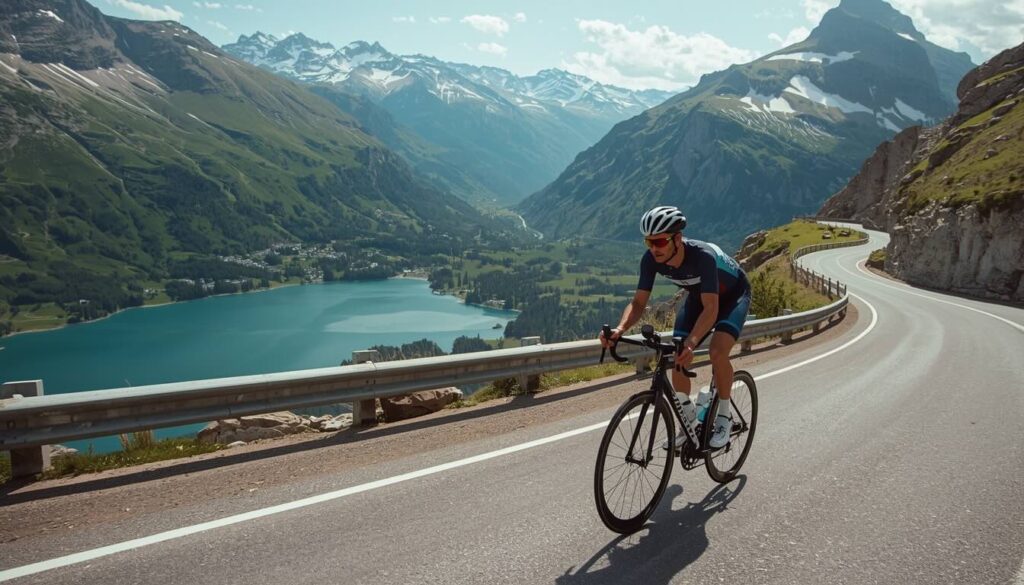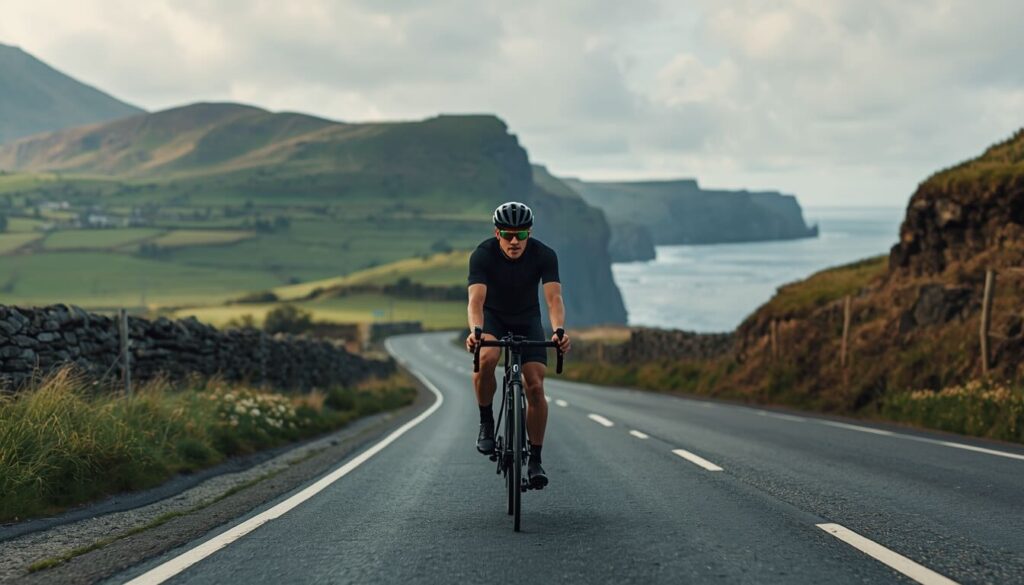
Where cycling feels woven into the landscape. Let’s check out the best roads to cycle in Italy.
Italy doesn’t just have great cycling roads. It has roads that feel like they were meant for bicycles.
From high Alpine passes to sun-baked white roads through vineyards, Italian riding is defined by variety, beauty, and rhythm. The climbs are expressive rather than brutal. The surfaces tell stories. And almost every ride ends with food that makes the effort feel worthwhile.
These are the best roads to cycle in Italy, not just for their gradients or fame, but for how they feel to ride.
Why Italy Is One of the World’s Greatest Cycling Destinations
Italy rewards riders who appreciate:
- Roads shaped by centuries of travel
- Gradients that invite rhythm rather than punishment
- Scenery that changes constantly
- A deep cultural connection to cycling
You don’t just ride through Italy. You ride with it.
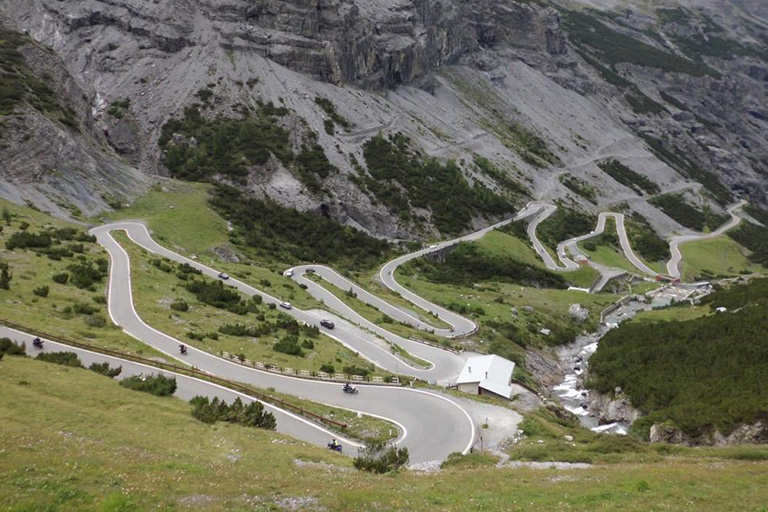
1. Passo dello Stelvio, Lombardy
Iconic, demanding, unforgettable
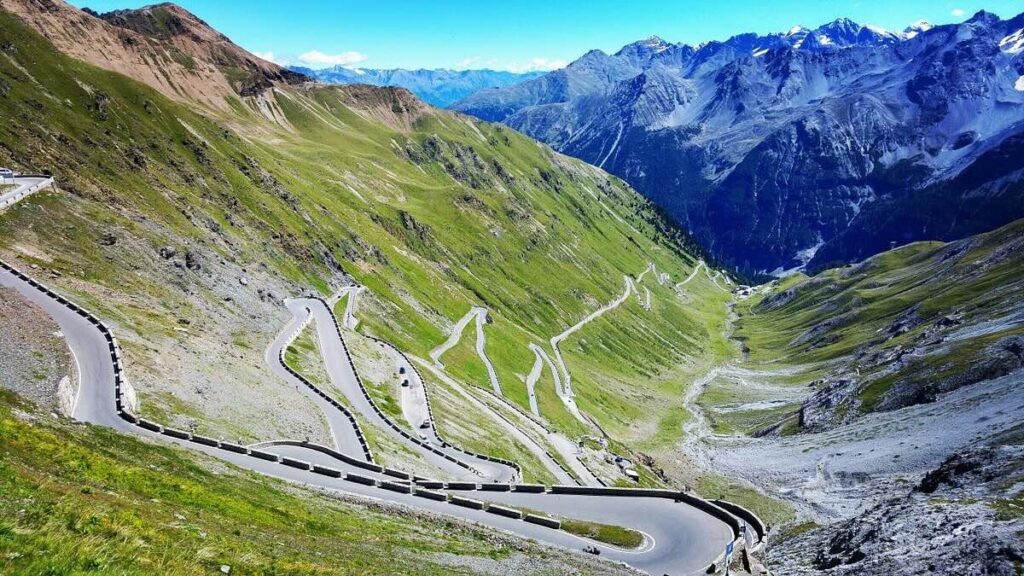
The Stelvio Pass is cycling theatre.
From Prato allo Stelvio, the climb stacks 48 hairpins up the mountainside, each one numbered, each one earned. It’s long, high, and physically demanding — but never chaotic.
The road surface is excellent, the gradients consistent, and the sense of scale immense.
This is a road every cyclist should experience at least once.
Why it’s special:
Structure, history, and pure alpine drama.
2. Passo Giau, Dolomites
Beauty that hurts just enough
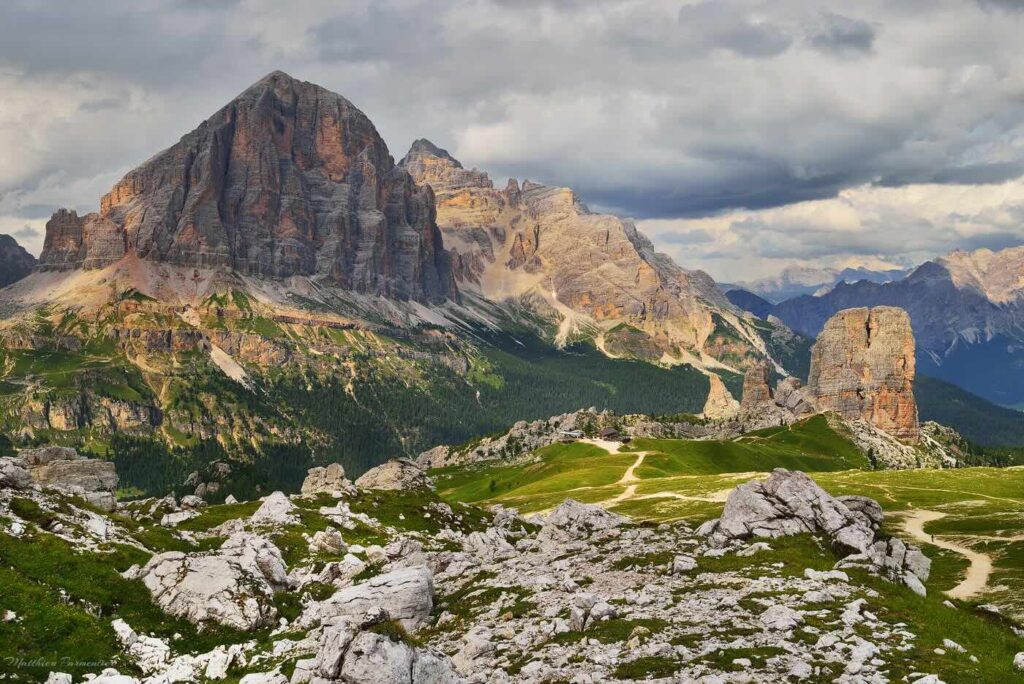
The Passo Giau is often described as one of the most beautiful climbs in the world — and it deserves the title.
The gradients are steep and unrelenting, but the views are overwhelming in the best way: jagged Dolomite peaks, open skies, and sweeping bends that make the effort feel meaningful.
It’s a climb you don’t rush. You absorb it.
Why it’s special:
Raw beauty and emotional impact.
3. Strade Bianche, Tuscany
Road cycling without asphalt
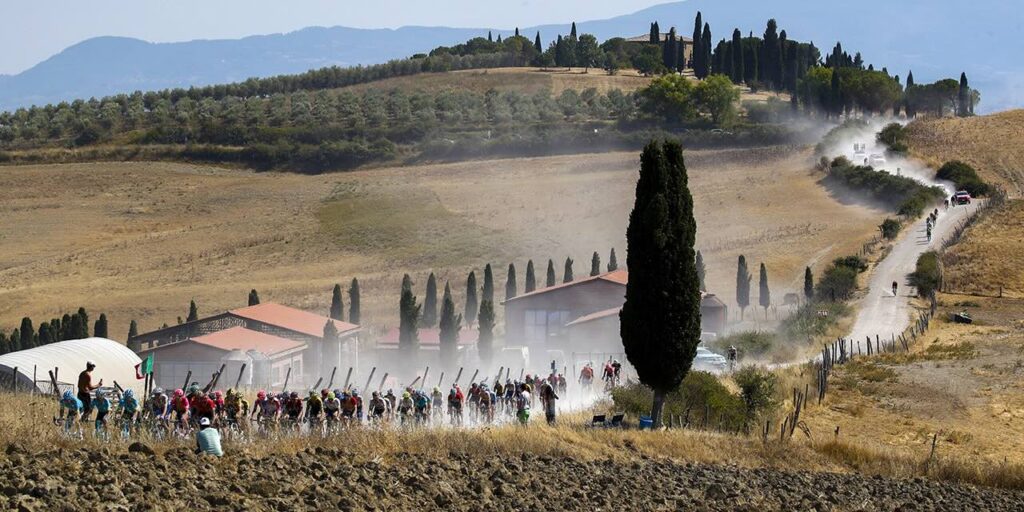
The white gravel roads of Tuscany shouldn’t work for road cycling — but they do.
Rolling hills, vineyards, ancient farmhouses, and long stretches where the only sound is tyres on dust. Ride them on wider tyres and lower pressure, and they feel poetic rather than punishing.
This is riding for the senses.
Why it’s special:
Texture, timelessness, and atmosphere.
4. Sella Ronda, Dolomites
Four passes, one perfect loop
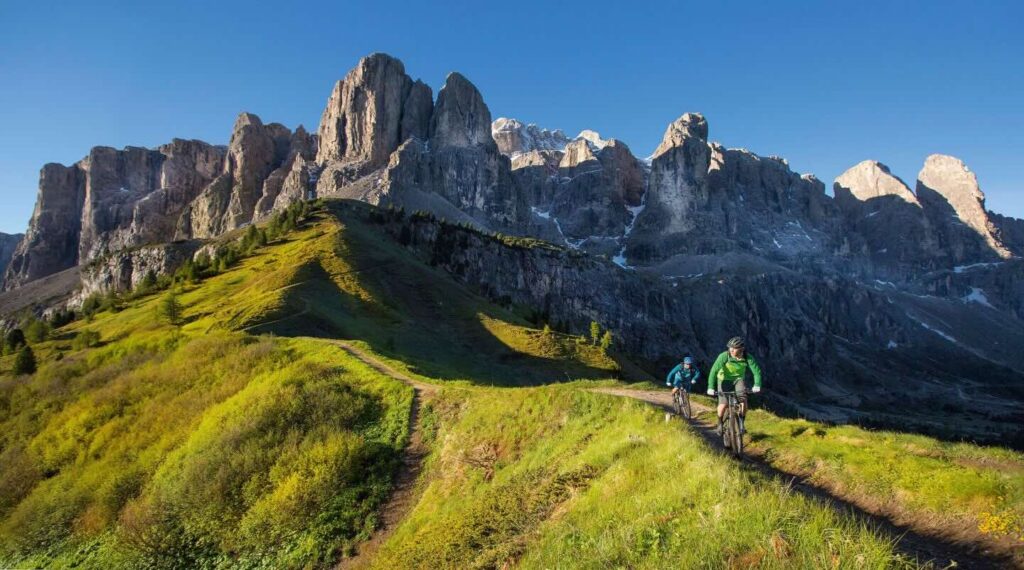
The Sella Ronda links four major Dolomite passes in a single loop — each climb distinct, each descent immaculate.
The roads are wide, surfaces pristine, and gradients perfectly graded. It’s challenging, yes — but also incredibly logical.
This is how alpine road cycling is supposed to feel.
Why it’s special:
Flow, variety, and perfect execution.
5. Passo Mortirolo, Lombardy
Pure cycling mythology
The Mortirolo is infamous — and it lives up to the legend.
Steep, narrow, and relentless, this climb strips cycling back to its essence. There’s no scenery to distract you. No easing into it. Just effort.
It’s not for everyone — but if you ride it, you’ll understand why it’s revered.
Why it’s special:
Intensity, heritage, and raw challenge.
6. Lake Garda West Road (Strada della Forra area)
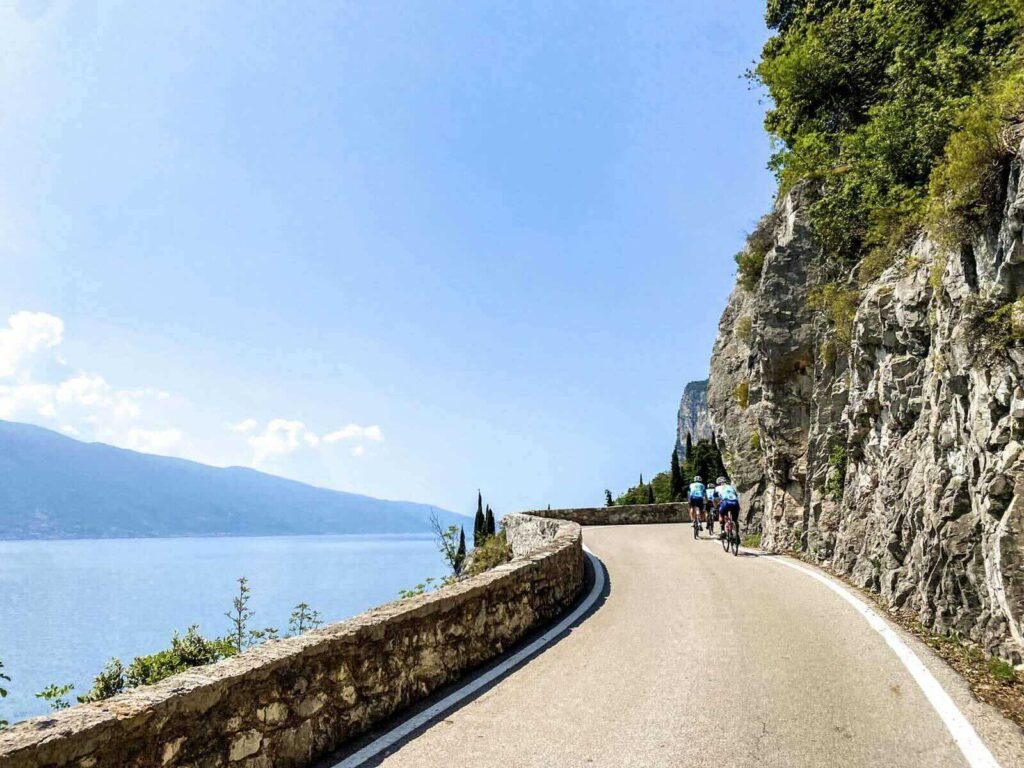
Cycling between rock and water
The roads along Lake Garda’s western shore are a visual marvel.
Carved into cliffs above turquoise water, they roll and twist with constant changes in light and perspective. The riding isn’t extreme — but the setting is unforgettable.
Early mornings here feel almost cinematic.
Why it’s special:
Scenery, smooth roads, and effortless riding pleasure.
7. Colle delle Finestre, Piedmont
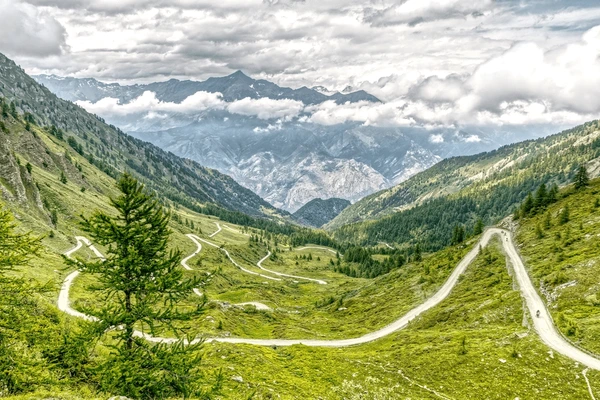
A road that tests patience
The Colle delle Finestre blends smooth asphalt with gravel, climbing steadily through forest before opening onto wide alpine views.
It’s long, quiet, and mentally demanding — especially the unpaved upper section. But it rewards pacing and calm determination.
This is a thinking rider’s climb.
Why it’s special:
Solitude, texture, and quiet challenge.
8. Amalfi Coast Road (SS163)
Beautiful — but choose your moment
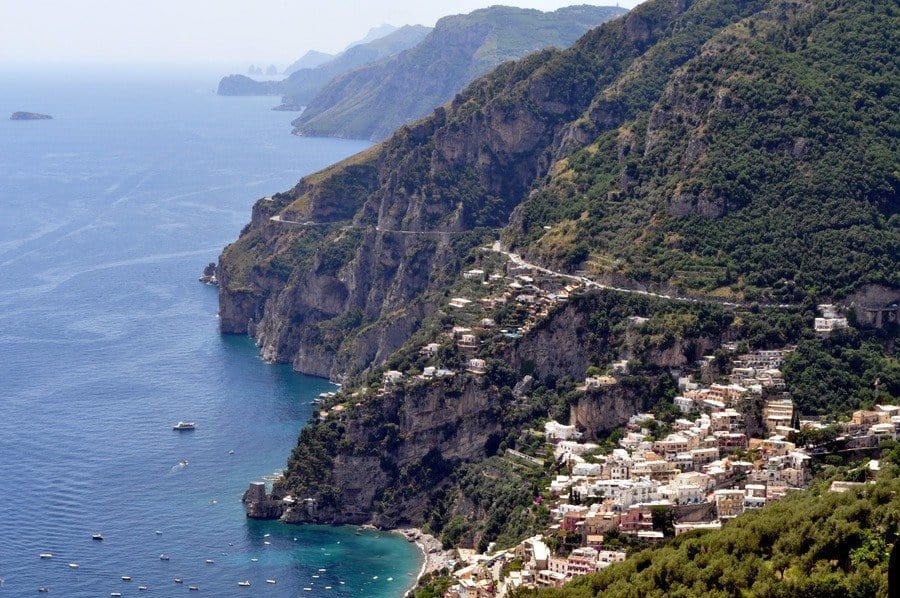
The Amalfi Coast road is stunning, no question.
Sheer cliffs, pastel towns, endless sea views. But timing matters. Ride early, or out of season, and it’s magical. Ride it at the wrong time, and traffic will overwhelm the experience.
When conditions are right, it’s one of the most beautiful rides in Europe.
Why it’s special:
Visual drama and Mediterranean atmosphere.
9. Monte Grappa, Veneto
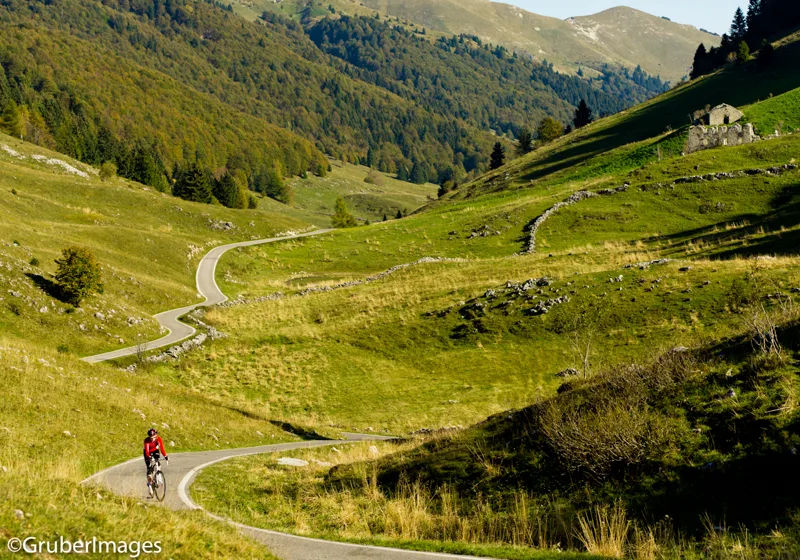
Long, steady, and deeply satisfying
Monte Grappa offers multiple ascent options, each long and steady rather than steep.
The road surface is excellent, the gradients manageable, and the views expand gradually as you climb. It’s a climb that rewards patience more than power.
Why it’s special:
Endurance, rhythm, and quiet grandeur.
10. Chianti Loop (Greve–Radda–Gaiole)
Rolling perfection
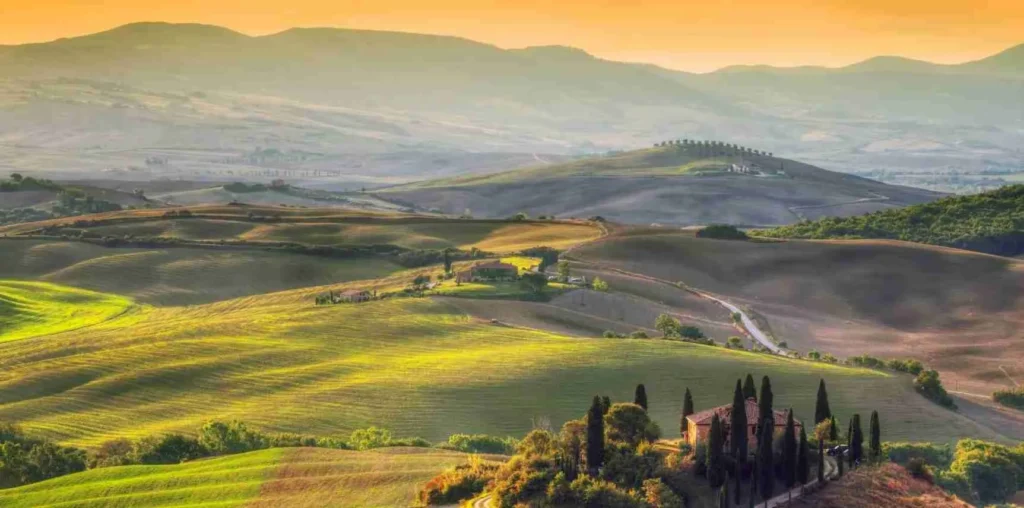
The classic Chianti loop delivers everything road cyclists love: rolling hills, smooth tarmac, vineyards, and villages that seem designed for café stops.
It’s challenging without being extreme — and endlessly repeatable.
Why it’s special:
Rideability, beauty, and balance.
When to Ride in Italy
Best months:
- May–June
- September
Expect:
- Heat in summer
- Crowds on famous routes
- Excellent food everywhere
Early starts and flexible routes make Italian cycling exceptional.
What Bike Works Best in Italy?
Italy rewards:
- All-round road bikes
- Wider tyres (28–32mm)
- Reliable brakes for long descents
- Comfortable gearing
You don’t need the lightest bike — you need the one you trust.
Final Thoughts: Italy Rides Back
Italy gives back what you put into it.
Ride with patience and curiosity, and the roads respond. The climbs don’t just test your legs — they shape the experience. The descents don’t rush you — they carry you.
And when the ride ends, there’s always something waiting: espresso, food, conversation, and the sense that cycling here is more than sport.
It’s part of the place. Check out the best roads to cycle in Northern France here.