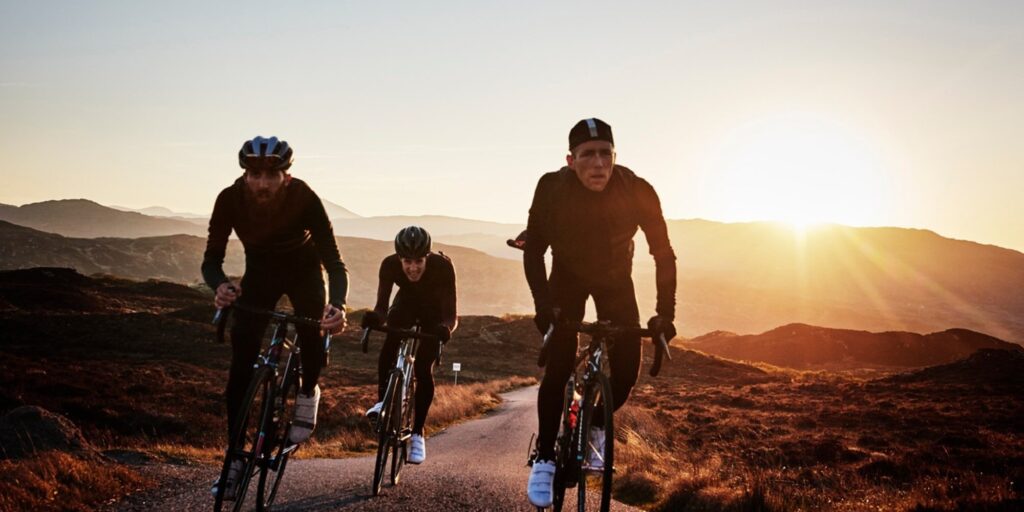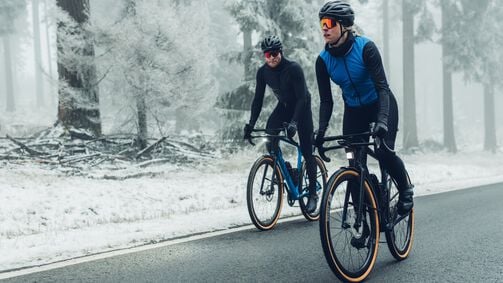
Here is a realistic guide for beginners and curious riders on how much does it cost to get into road cycling.
Road cycling has a reputation for being expensive, and it can be. But it doesn’t have to be.
The truth is that how much you spend depends far more on how you start than on what the sport “requires.” You can begin road cycling for a few hundred, or you can spend thousands chasing marginal gains that don’t actually matter early on.
This guide breaks down:
- What you actually need to start road cycling
- What costs are optional vs essential
- Realistic budgets at different levels
- Where beginners should save (and where not to)
The Big Picture: There Is No “Entry Fee”
There is no single price to start road cycling.
Instead, there are layers:
- A bike that fits and works
- Basic safety and comfort gear
- Optional upgrades over time
You don’t need everything at once — and you shouldn’t buy it all upfront.
1. The Bike: Your Biggest Cost
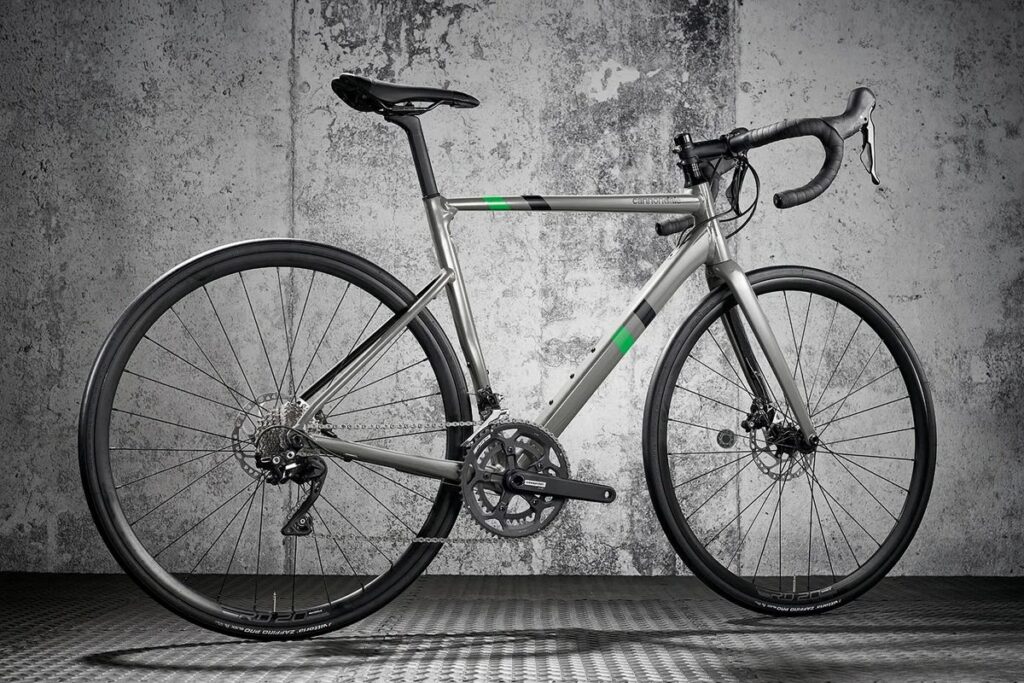
Entry-Level Road Bike
A new entry-level road bike typically costs:
- £600–£1,000 / $700–$1,200
At this level, you get:
- Aluminum frame
- Carbon or alloy fork
- Reliable mechanical shifting (often Shimano Claris or Sora)
- Rim or entry-level disc brakes
These bikes are perfectly capable of:
- Group rides
- Long weekend rides
- Sportives and events
They are not “beginner bikes” — they’re just not race-focused.
Buying Used (Often the Smartest Choice)
A well-maintained used road bike can cost:
- £400–£800 / $500–$1,000
Benefits:
- Better components for the money
- Often lighter and higher quality
- Ideal if you’re unsure you’ll stick with it
Just make sure:
- The bike fits
- The drivetrain isn’t worn out
- The wheels are true
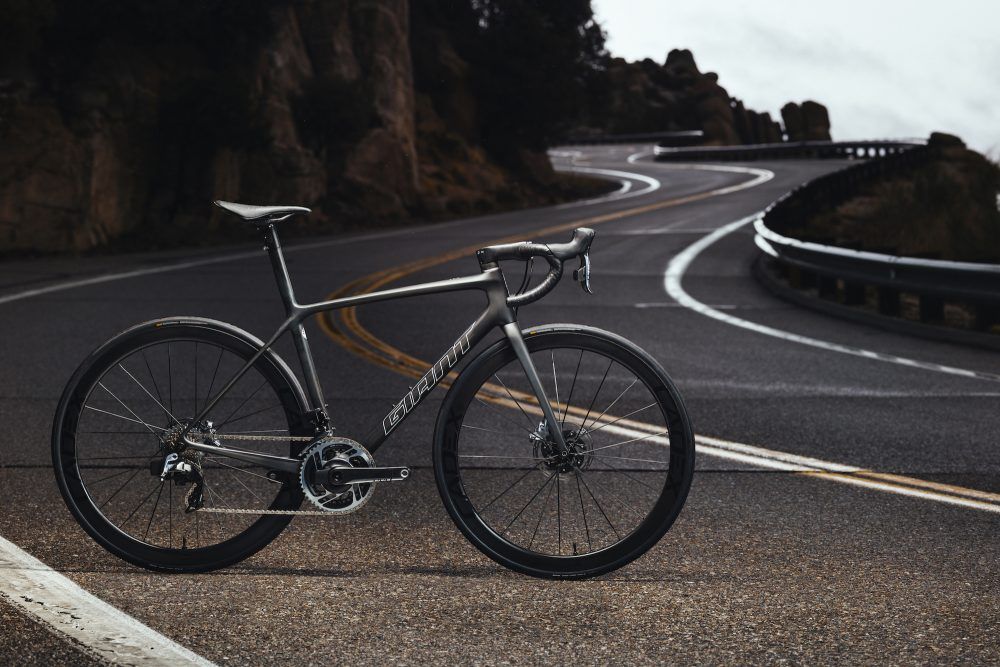
Mid-Range Road Bike (Optional)
Once committed, many riders upgrade into the:
- £1,500–£3,000 / $1,800–$3,500
This gets you:
- Better carbon frames or high-end aluminum
- Shimano 105 or Ultegra
- Disc brakes
- Better wheels and tyres
Nice — but absolutely not required to start.
2. Helmet (Non-Negotiable)
A safe, comfortable helmet costs:
- £40–£100 / $50–$120
You don’t need a pro-level helmet.
You do need:
- Proper fit
- Certification
- Good ventilation
Spend enough to get something comfortable, not flashy.
3. Cycling Clothing (You Don’t Need Much)
Bib Shorts or Shorts
This is where you should spend a bit.
- £50–£120 / $60–$150
Good shorts:
- Prevent saddle pain
- Make longer rides enjoyable
- Last years if cared for properly
One good pair beats three cheap ones.
Jerseys
- £30–£80 / $35–$100
Look for:
- Pockets
- Breathable fabric
- Comfortable fit
You don’t need team kits or aero fabrics.
4. Shoes & Pedals (Optional at First)
Clipless Pedals & Shoes
Optional for beginners, but popular later.
- Shoes: £60–£150 / $70–$180
- Pedals: £30–£70 / $35–$90
Benefits:
- Better power transfer
- More secure foot position
You can start on flat pedals and upgrade later.
5. Basic Tools & Spares
Minimum essentials:
- Mini pump or CO₂ inflator: £15–£30
- Spare tube(s): £5–£10
- Tyre levers: £5
- Multi-tool: £15–£25
Total:
- £40–£70 / $50–$85
This is non-negotiable if you ride outside.
6. Lights (Even for Daytime Riding)
Good daytime-visible lights cost:
- £30–£80 / $35–$100
Front + rear.
This is one of the most important safety investments you’ll make.
7. Optional Tech (Nice, Not Required)
Cycling Apps
- Often free or low-cost
- Strava, Komoot, Ride with GPS
Bike Computer
- Optional at first
- £80–£250 / $100–$300
A phone mount works initially.
8. Maintenance Costs (Often Overlooked)
Expect to spend annually:
- Chain replacement: £20–£40
- Brake pads: £10–£30
- Tyres (eventually): £40–£80
You can reduce costs by:
- Cleaning your bike
- Replacing parts before they wear out completely
Realistic Starter Budgets
Absolute Minimum (Used Bike)
- Bike: £500
- Helmet: £50
- Shorts: £70
- Tools + lights: £80
Total: ~£700 / $850
Comfortable Beginner Setup (New Bike)
- Bike: £900
- Helmet: £70
- Shorts + jersey: £130
- Tools + lights: £100
Total: ~£1,200 / $1,450
Enthusiast Starter Setup
- Bike: £2,000
- Gear + tech: £500
Total: ~£2,500 / $3,000
Where Beginners Should Save Money
– Bike brand prestige
– Carbon frames
– Electronic shifting
– Aero upgrades
– Power meters
Where Beginners Should Spend Smartly
– Bike fit and sizing
– Helmet
– Bib shorts
– Tyres
– Lights
These affect comfort and safety more than speed.
The Hidden Truth: Cycling Gets Cheaper Over Time
Once you own:
- A bike
- A helmet
- Clothing
…your ongoing costs are relatively low compared to many hobbies.
You’re not paying:
- Monthly fees
- Lift passes
- Facility rentals
Just food, maintenance, and time.
Final Thoughts: Start Where You Are
You don’t need to “commit” thousands to start road cycling, and this guide on how much does it cost to get into road cycling should show that.
You need:
- A bike that fits
- Basic safety gear
- A willingness to ride regularly
Everything else can come later. If you want it to.
The best road cycling setup isn’t the most expensive one.
It’s the one that gets you out riding, week after week.