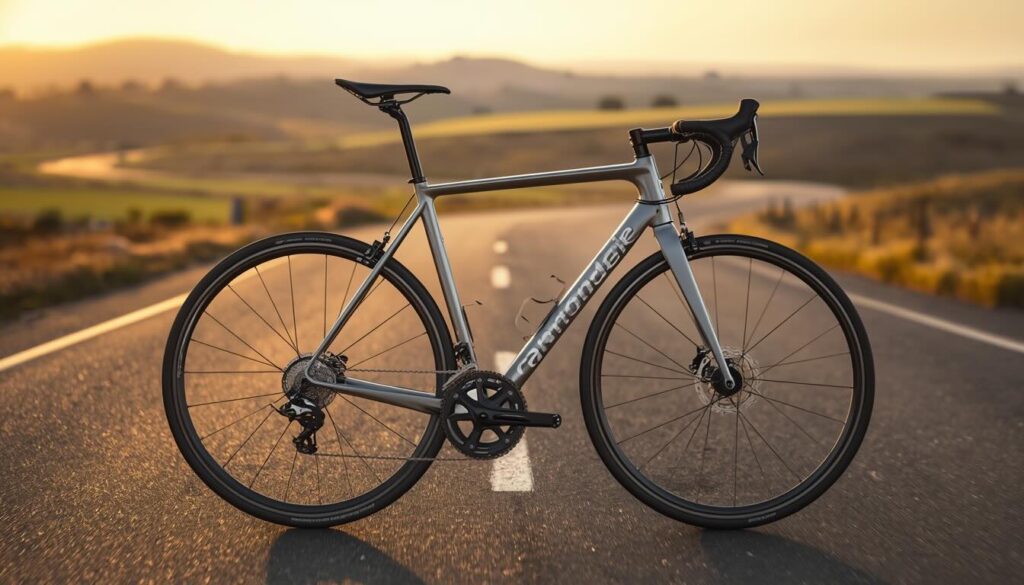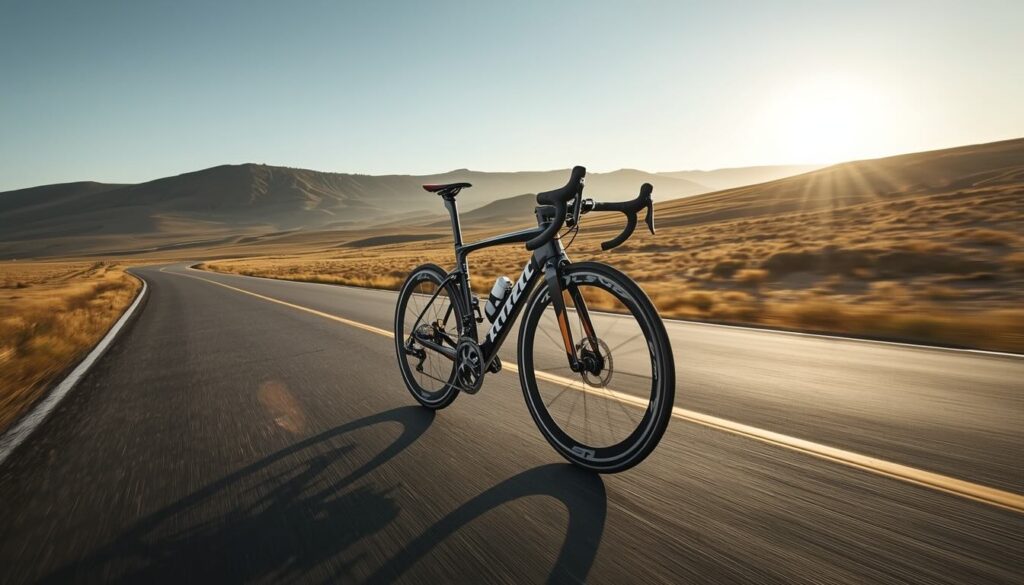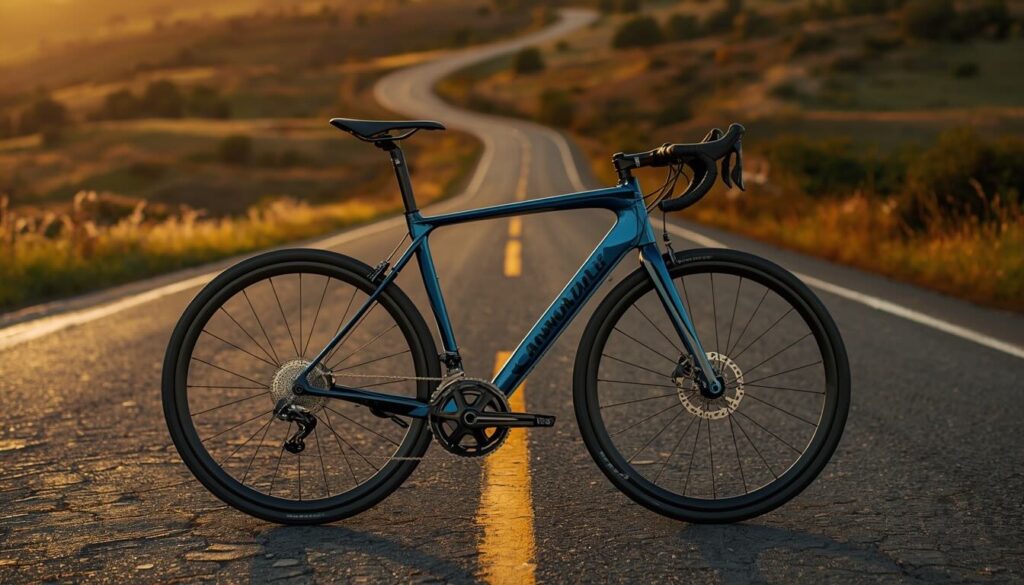
When you think of endurance road bikes that truly prioritise comfort without sacrificing performance. The Trek Domane review shows this bike is always part of the conversation and with good reason.
Built around Trek’s comfort-focused engineering and stable endurance geometry, the Domane is designed for riders who want:
– Long rides to feel smoother
– Rough roads to feel manageable
– Confidence at speed
– One bike that can handle most real-world conditions
It’s not a race bike. It’s not a relaxed cruiser.
It sits right in the sweet spot, where comfort meets capable performance.
Here’s our detailed, rider-first review.
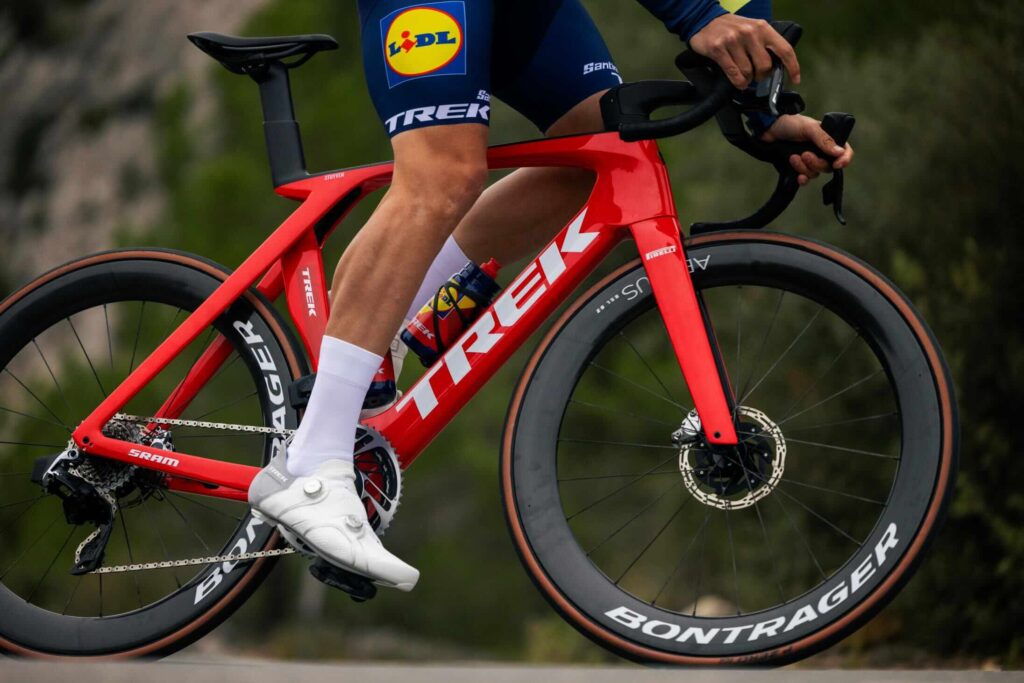
Overview / Verdict Up Front
Who this bike is for:
– Riders who prioritise comfort and confidence
– Cyclists planning long days or multi-day rides
– Sportive riders and endurance enthusiasts
– Those who ride varied, imperfect roads
Who this bike isn’t for:
– Pure racers chasing aggressive geometry and aero gains
– Riders who only ride short, flat, smooth routes
Quick take:
The Trek Domane is one of the most complete endurance road bikes available today. It combines comfort technology, stable handling, generous tyre clearance, and solid performance into a bike that feels great on long rides and rough roads. The bike doesn’t chase race trends.
it focuses on real-world ride quality, and it does it exceptionally well.
Key Specs (Real-World Relevant)
Frame: Trek Domane AL (aluminium) or SL/SLR (carbon)
Fork: Carbon (most models)
Brake Type: Disc brakes throughout the range
Geometry: Endurance-oriented (higher stack, balanced reach)
Tyre Clearance: Up to ~35–38mm (varies by model/year)
Comfort Tech: Trek IsoSpeed compliance system
Intended Use: Long rides, sportives, mixed road surfaces
Trek offers the Domane in a wide range of builds — from affordable aluminium to premium carbon race-level endurance bikes, but all share the same core identity: smooth, stable, and comfortable.
Ride Impressions (Core Section)
Comfort: The Domane’s Defining Feature
The Domane is engineered first and foremost for comfort — but not the soft, vague kind.
Trek achieves this through:
– Endurance geometry
– IsoSpeed compliance system
– Carbon frame tuning (on SL/SLR models)
– Support for wider tyres
On broken tarmac, cracked lanes, and long rough stretches, the Domane noticeably smooths out road buzz and sharp impacts.
Comfort here means less fatigue in hands and shoulders, which reduces lower-back strain and gives more energy left late in the ride
It doesn’t feel mushy or disconnected.
It feels controlled, calm, and forgiving, exactly what you want for long miles.
Handling: Stable and Confidence-Inspiring
The Domane doesn’t aim to be razor sharp like a race bike.
Instead, it feels:
– Predictable in corners
– Stable at speed
– Calm in crosswinds
– Composed on rough surfaces
This makes it ideal for:
– Long descents
– Windy days
– Mixed road quality
– Fatigue later in rides
It’s not slow — it’s mature and composed.
Stiffness & Acceleration: Built for Sustained Riding
Despite its comfort bias, the Domane doesn’t feel sluggish when you push.
Out of the saddle efforts feel:
– Smooth and natural
– Responsive without being harsh
– Stable rather than twitchy
It encourages steady, powerful riding rather than explosive race sprints.
Perfect for rolling terrain and long endurance efforts.
Climbing: Comfortable and Consistent
The Domane isn’t built to chase KOMs, but it climbs very well for an endurance bike.
Climbing feels balanced and sustainable, which means less fatiguing over time.
Thanks to the relaxed geometry and compliance, you stay comfortable even on longer climbs — which often matters more than outright lightness.
Descending & High-Speed Stability
This is where the Domane really shines.
On fast descents the bike tracks smoothly. The steering feels calm and predictable and the braking is confident (thanks to disc brakes).
You feel in control, not nervous, even when road quality drops.
Long Rides (3–7 Hours): The Domane’s Sweet Spot
This is where the Domane truly earns its reputation.
Over hours in the saddle:
– Fatigue builds slower
– Discomfort stays minimal
– Confidence remains high
Rides that used to feel punishing start feeling manageable — even enjoyable.
It’s a bike that encourages you to ride farther, not rush home.
Geometry & Fit
The Domane’s endurance geometry is key to its comfort:
– Higher stack for a more upright, relaxed position
– Balanced reach that doesn’t stretch you aggressively
– Longer wheelbase for stability
If you’re coming from:
– A race bike → you’ll feel noticeably more comfortable
– A relaxed fitness bike → you’ll feel more efficient and capable
It strikes a brilliant middle ground.
Components & Build Options
Across the Domane range, Trek typically offers:
– Shimano 105 on mid-range models — excellent value and reliability
– Ultegra / Di2 on higher builds — lighter and sharper shifting
– SRAM Rival / Force / Red AXS on some models
– Alloy wheels on entry builds, carbon on premium versions
Trek specs the Domane sensibly with durable components first, performance upgrades as you move up the range.
As with many endurance bikes, stock wheels are solid but often the first upgrade riders make.
Tyres, Wheels & Clearance
One of the Domane’s biggest strengths is tyre clearance.
Most models can comfortably run:
– 30–35mm tyres
– Some up to ~38mm
This allows:
– Increased comfort
– Better grip
– Lower pressures
– More confidence on rough roads
This is a huge reason why the Domane feels so good on real surfaces.
Comparisons
Domane vs Trek Madone
| Feature | Domane | Madone |
|---|---|---|
| Comfort | ⭐⭐⭐⭐⭐ | ⭐⭐ |
| Aero performance | ⭐⭐ | ⭐⭐⭐⭐⭐ |
| Long ride feel | ⭐⭐⭐⭐ | ⭐⭐⭐ |
| Race aggressiveness | ⭐⭐ | ⭐⭐⭐⭐ |
| Everyday usability | ⭐⭐⭐⭐⭐ | ⭐⭐⭐ |
The Madone is fast and aero — but the Domane is the bike you want for long days and rough roads.
Domane vs Canyon Endurace
Both are excellent endurance bikes:
– Domane emphasises compliance tech (IsoSpeed)
– Endurace emphasises geometry and tyre clearance
The Domane feels slightly more relaxed and smooth.
The Endurace feels a bit more engaged and sporty.
Both are top-tier choices.
Pros & Cons
✅ Pros
– Outstanding comfort on long rides
– Stable, confidence-boosting handling
– Excellent tyre clearance
– Versatile for mixed road surfaces
– Broad range of builds and price points
❌ Cons
– Not the sharpest race bike
– Stock wheels often basic on lower builds
– Premium models are expensive
Who Should Buy the Domane?
Perfect for:
– Endurance riders
– Long-distance cyclists
– Sportive participants
– Mixed-surface road riders
– Anyone who values comfort and confidence
Less ideal for:
– Pure racers
– Riders wanting ultra-aggressive geometry
– Those riding only smooth, short routes
Trek Domane Range Breakdown
Entry & Value Options
Trek Domane AL – Aluminium endurance bike for beginners and budget-focused riders. Comfortable, stable, and great for everyday riding.
Mid-Range Carbon Endurance
Trek Domane SL 5 – Carbon frame with Shimano 105. The sweet spot for most riders.
Trek Domane SL 6 – Higher-spec drivetrain, often electronic shifting.
Trek Domane SL 7 – Premium components with faster shifting and lighter builds.
Premium Endurance (Top Tier)
Trek Domane SLR – Lightweight premium carbon with pro-level components like Dura-Ace Di2 or SRAM Red AXS.
Range Highlights
Trek structures the Domane family into:
1. Domane AL – Aluminium endurance value range
2. Domane SL – Carbon endurance performance range
3. Domane SLR – Premium endurance performance
Each tier increases in weight savings, component quality, and ride refinement.
Final Thoughts
The Trek Domane is one of those bikes that simply makes sense.
The bike doesn’t chase trends.
It doesn’t force a race posture.
It doesn’t punish you for riding long.
Instead, it focuses on comfort where it matters and stability when things get rough. It’s a performance that feels natural and sustainable.
If you want a road bike that feels good every ride, not just short fast ones. The Domane is one of the best endurance choices available today.
It’s not just a comfortable bike.
It’s a bike built for meaningful miles.
Quick Summary
Best for: Endurance and mixed roads
Ideal tyre size: 30–35mm
Sweet spot: Comfort with confident performance
Ride feel: Smooth, stable, and composed