
Scandals, disputed victories, and the moments that shook cycling’s greatest race. Here are some of the most controversial Tour De France wins.
The Tour de France is one of the most prestigious sporting events in the world. Since its first edition in 1903, the race has produced legendary victories, dramatic mountain battles, and unforgettable champions.
However, the history of the Tour is not without controversy. Over the decades, several victories have been overshadowed by scandals, disputes, and accusations that have changed the way people view the race.
From doping scandals to disputed results and unusual circumstances, here are some of the most controversial Tour de France wins in history.
1999 – The Return of Lance Armstrong
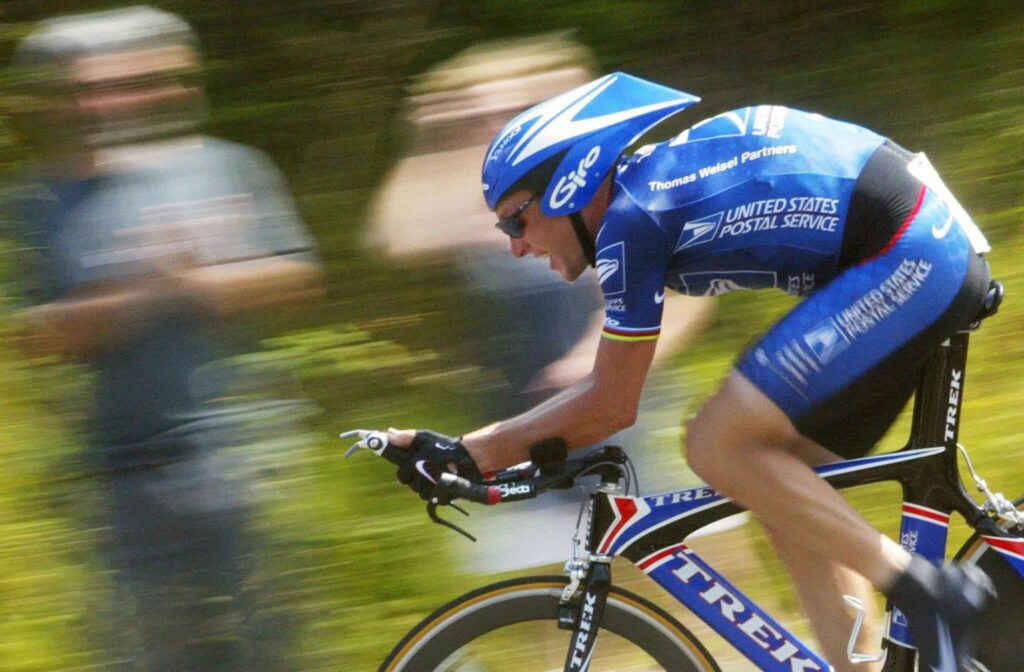
The 1999 Tour de France was initially celebrated as one of the most inspiring victories in cycling history.
After recovering from cancer, Lance Armstrong dominated the race and went on to win seven consecutive Tours between 1999 and 2005, becoming one of the most famous cyclists in the world.
However, years later, a major doping investigation revealed widespread use of performance-enhancing drugs within Armstrong’s team.
In 2012, the United States Anti-Doping Agency stripped Armstrong of all seven Tour titles. Officially, those years now have no Tour de France winner, making this one of the most controversial chapters in cycling history.
1968 – Jan Janssen vs. Herman Van Springel
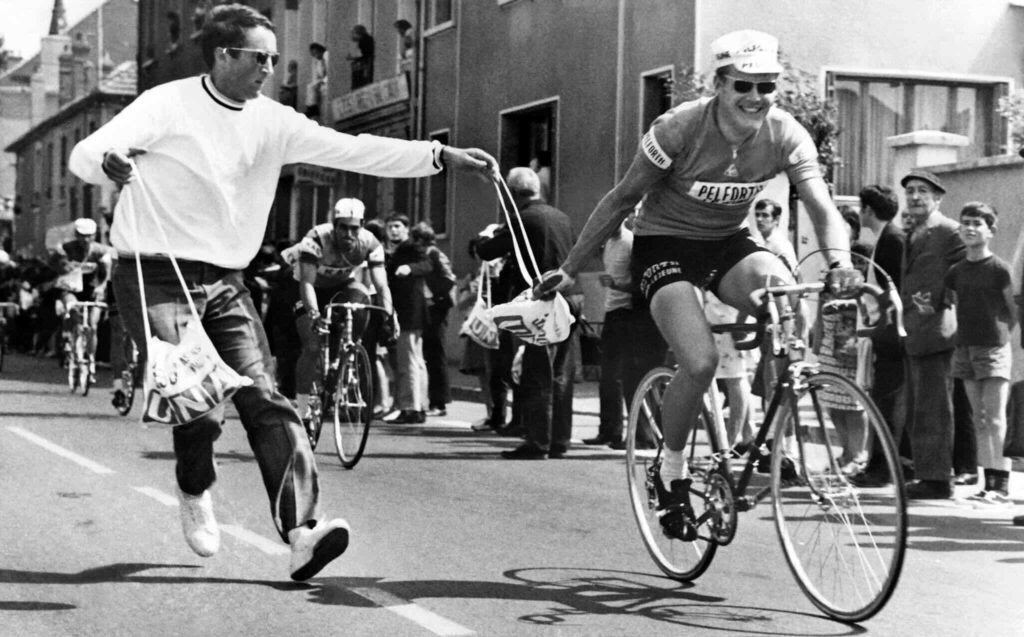
The 1968 Tour de France produced one of the closest finishes ever.
Belgian rider Herman Van Springel wore the yellow jersey heading into the final stage, a time trial. But Dutch rider Jan Janssen produced a remarkable ride, overturning the deficit and winning the Tour by just 38 seconds.
While not scandalous in the modern sense, the dramatic reversal sparked debate at the time about race tactics and the pressure of final-stage time trials.
It remains one of the most dramatic and controversial finishes in Tour history.
1904 – The Tour That Nearly Destroyed the Race
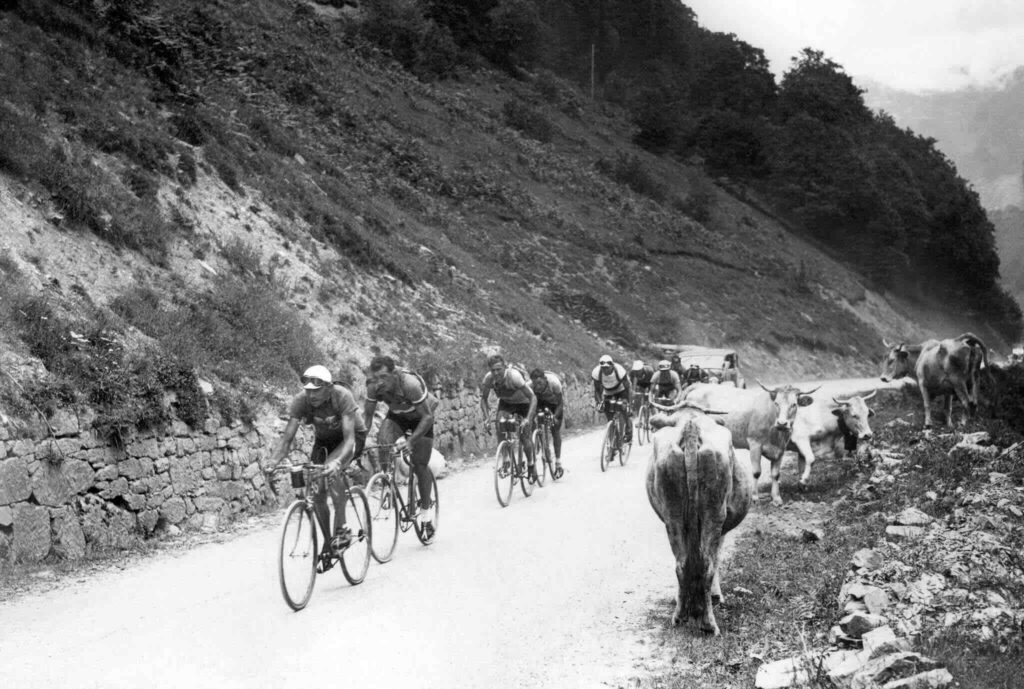
The 1904 Tour de France is widely considered the most chaotic edition of the race.
During the race:
- Spectators attacked riders
- Competitors reportedly took trains and cars
- Rival fans sabotaged riders on mountain climbs
Originally, Maurice Garin was declared the winner. However, after investigations into cheating and rule-breaking, several riders, including Garin, were disqualified months later.
The victory was eventually awarded to Henri Cornet, making him the youngest Tour winner in history.
The scandal almost ended the race entirely.
2006 – The Fall of Floyd Landis
The 2006 Tour produced one of the most dramatic comebacks in cycling history.
After losing huge time during a disastrous mountain stage, Floyd Landis launched an incredible solo attack the next day, reclaiming enough time to win the race.
However, shortly after the Tour ended, Landis tested positive for testosterone.
After a lengthy investigation and legal battle, he was stripped of the title. The victory was later awarded to Spanish rider Óscar Pereiro.
This incident deepened the doping crisis that plagued cycling during the early 2000s.
1998 – The Festina Affair
The 1998 Tour de France became infamous for one of the largest doping scandals in cycling history.
The scandal began when authorities discovered a large quantity of banned substances in a team car belonging to the Festina team.
The revelations led to:
- Police raids on teams
- Rider protests and strikes
- Several teams withdrawing from the race
Italian rider Marco Pantani ultimately won the Tour, but the race itself became synonymous with the doping crisis that shook professional cycling.

Why the Tour Has Seen So Many Controversies
The Tour de France is one of the most physically demanding events in sport.
Riders must compete over three weeks, climbing massive mountain passes and racing thousands of kilometres. The pressure to perform has historically led some athletes and teams to seek unfair advantages.
Over time, stricter anti-doping measures and testing procedures have helped restore confidence in the race.
Modern cycling now operates under much tighter regulation, making controversies less common than in the past.
Final Thoughts
The Tour de France has produced some of the greatest sporting achievements in history, but it has also faced moments that challenged the integrity of the race.
Controversial victories, doping scandals, and disputed results have all played a part in shaping the sport.
Despite these difficult chapters, the Tour remains the pinnacle of professional cycling, attracting the best riders in the world and millions of fans every year.
And while controversies may become part of the story, the mountains, the riders, and the drama of the race continue to define cycling’s greatest event