Doping, deception, and the controversies that shaped cycling’s greatest race. Here are some of the biggest scandals in Tour de France history.
The Tour de France is the most famous cycling event in the world. Since the race first began in 1903, it has tested the limits of human endurance across mountains, valleys, and thousands of kilometres of French roads.
But alongside the legendary victories and heroic performances, the Tour has also experienced some of the most notorious cheating scandals in sporting history. From early rule-breaking in the race’s first decades to modern doping scandals, these moments changed the way cycling is regulated and viewed by fans.
Here are some of the biggest cheating scandals in Tour de France history.
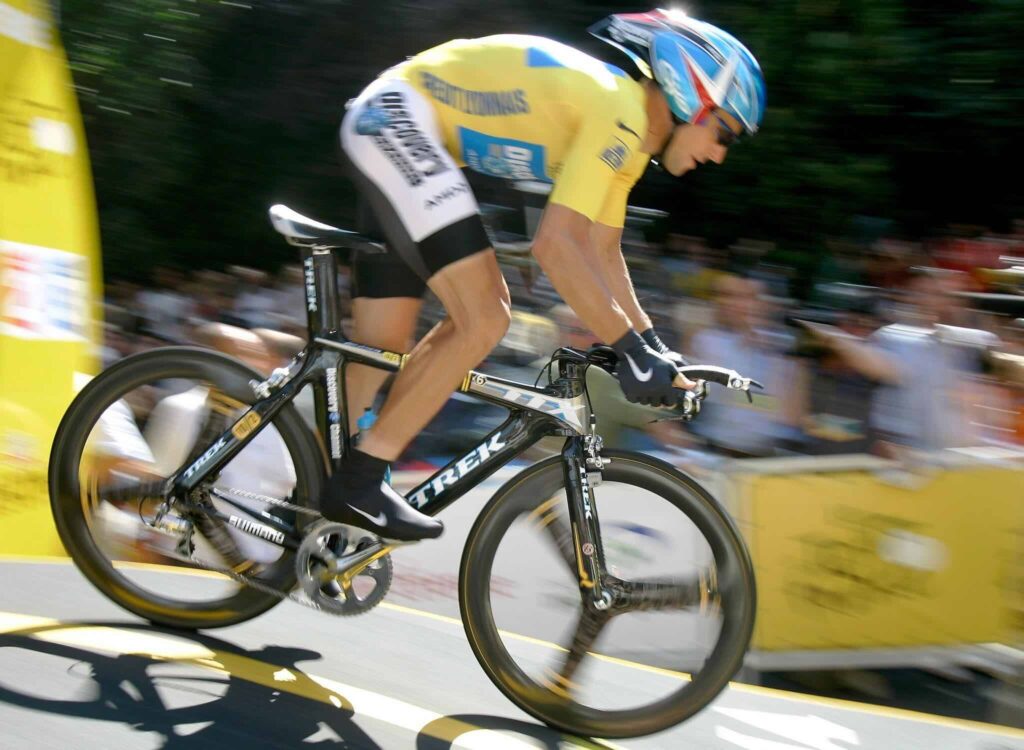
The Lance Armstrong Doping Scandal
Perhaps the most famous scandal in cycling history involves Lance Armstrong.
Between 1999 and 2005, Armstrong won seven consecutive Tour de France titles, becoming one of the most dominant riders the sport had ever seen. His comeback story after surviving cancer made him a global sporting icon.
However, accusations of doping followed Armstrong throughout his career.
In 2012, the United States Anti-Doping Agency released a report accusing Armstrong of leading a sophisticated doping program involving banned substances and blood transfusions.
The consequences were enormous:
- Armstrong received a lifetime ban from cycling
- All seven Tour de France titles were stripped
- His results from 1998 onward were removed
In 2013, Armstrong publicly admitted to using performance-enhancing drugs. The scandal remains one of the most damaging moments in cycling history.
The Festina Affair (1998)
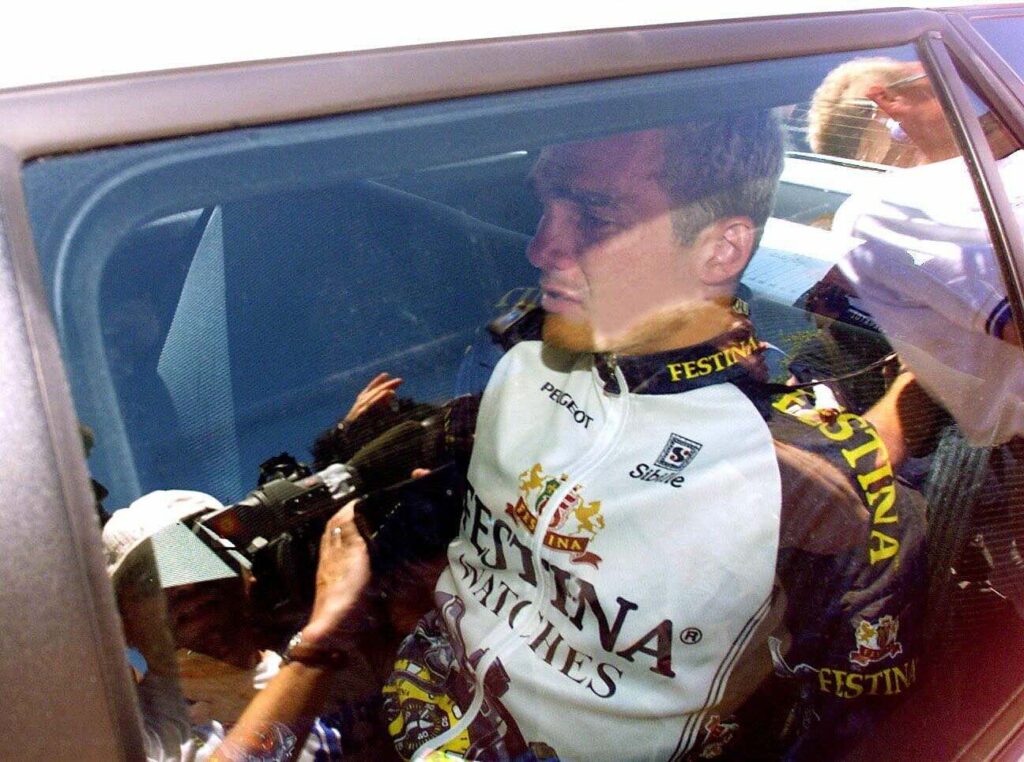
The 1998 Tour de France was overshadowed by what became known as the Festina Affair, one of the largest doping scandals ever uncovered in professional cycling.
The controversy began when French police discovered a large quantity of banned substances in a team car belonging to the Festina team.
The investigation revealed a systematic doping program involving riders and team staff.
The fallout was dramatic:
- Festina was expelled from the race
- Several teams withdrew in protest
- Riders staged strikes during the Tour
Although the race continued and was eventually won by Marco Pantani, the scandal exposed widespread doping within the sport and triggered major reforms.
Floyd Landis and the 2006 Tour
The 2006 Tour de France produced one of the most dramatic stage performances in the race’s history.
After losing huge time during a mountain stage, American rider Floyd Landis launched an astonishing solo attack the following day to reclaim enough time to win the race.
However, shortly after the Tour ended, Landis tested positive for synthetic testosterone.
After a long legal battle, he was stripped of the title in 2007. Spanish rider Óscar Pereiro was later declared the official winner.
The case further highlighted the widespread doping problems affecting cycling during the early 2000s.
The 1904 Tour de France Scandal
One of the most chaotic cheating scandals occurred during the 1904 Tour de France, only the second edition of the race.
Reports from the event included shocking behaviour:
- Riders allegedly took trains and cars to shorten the route
- Spectators attacked competitors
- Rival fans sabotaged riders during climbs
Originally, Maurice Garin was declared the winner. But after investigations by the race organisers, several riders, including Garin, were disqualified months later.
The victory was eventually awarded to Henri Cornet, making him the youngest Tour de France winner in history.
The scandal was so serious that organisers briefly considered cancelling the race permanently.
Doping in the 1990s and Early 2000s
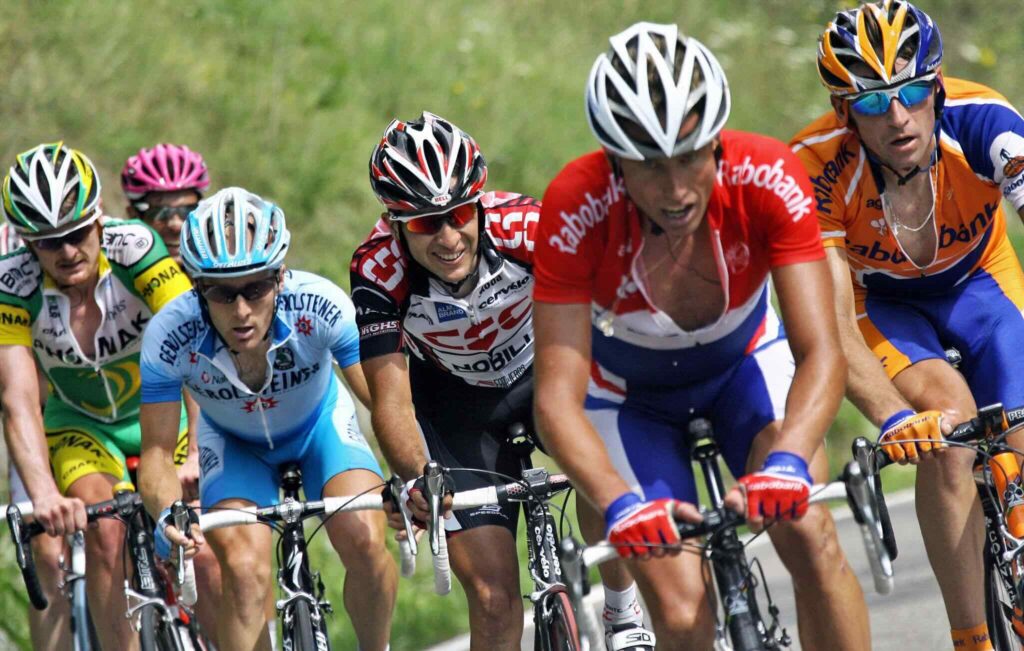
The late 1990s and early 2000s became known as one of the most controversial eras in professional cycling.
Several riders connected to the Tour de France later admitted to using banned substances such as EPO, blood transfusions, and other performance-enhancing methods.
The period saw numerous investigations and suspensions that forced the sport to confront its doping culture.
In response, cycling authorities introduced stronger anti-doping measures, including:
- Biological passport testing
- Improved drug detection techniques
- Stricter race monitoring
These changes were designed to restore credibility to the sport.
How the Tour de France Changed After the Scandals
The cheating scandals of the past forced professional cycling to evolve.
Modern riders now compete under some of the most rigorous anti-doping controls in sport. The biological passport system allows authorities to track athletes’ blood data over time, making it much harder to cheat undetected.
As a result, many fans believe the sport is now significantly cleaner than during the most controversial decades.
Final Thoughts
The Tour de France has produced some of the greatest moments in sporting history, but it has also faced difficult chapters marked by cheating and scandal.
From the chaos of the 1904 race to the doping scandals of the late 20th century, these events forced cycling to confront its challenges and improve its rules and testing systems.
Despite these controversies, the Tour remains the pinnacle of professional cycling, a race where the world’s best riders continue to battle across mountains and roads in pursuit of the famous yellow jersey