
A story of dominance, controversy, and one of the most debated legacies in cycling history. Here is the turbulent story of the cycling career of Lance Armstrong.
Few athletes in cycling history have generated as much attention, admiration, and controversy as Lance Armstrong. For years he was one of the most famous athletes in the world, known for his remarkable comeback from cancer and his dominance in the Tour de France.
Armstrong’s career includes incredible victories, global fame, and ultimately one of the biggest scandals in the history of sport. Today his legacy remains complex, a mix of sporting success, personal resilience, and controversy that continues to shape how cycling is viewed.
This is the story of Lance Armstrong’s cycling career.
Early Career and Rise in Professional Cycling
Lance Armstrong was born in 1971 in Texas, USA, and began his athletic career as a talented triathlete. His early performances showed exceptional endurance and power, qualities that would later make him a formidable road cyclist.
In the early 1990s Armstrong transitioned fully into professional cycling and quickly gained recognition as a powerful rider capable of winning major races.
One of his early career highlights came in 1993, when he won the World Road Race Championship in Oslo, Norway. This victory marked him as one of the most promising young riders in the sport.
Throughout the mid-1990s he also achieved several stage wins in major races and built a reputation as an aggressive and determined competitor.
Cancer Diagnosis and Recovery
In 1996, Armstrong’s career — and life — took a dramatic turn when he was diagnosed with testicular cancer that had spread to his lungs and brain.
At the time, his chances of survival were uncertain. Armstrong underwent extensive treatment, including surgery and chemotherapy.
After months of medical treatment and recovery, Armstrong made the extraordinary decision to return to professional cycling.
His comeback would soon become one of the most famous stories in modern sport.
Tour de France Dominance (1999–2005)
Armstrong returned to competition in 1998 and joined the US Postal Service cycling team. Just one year later, he achieved what many believed was impossible.
In 1999, Armstrong won the Tour de France for the first time.
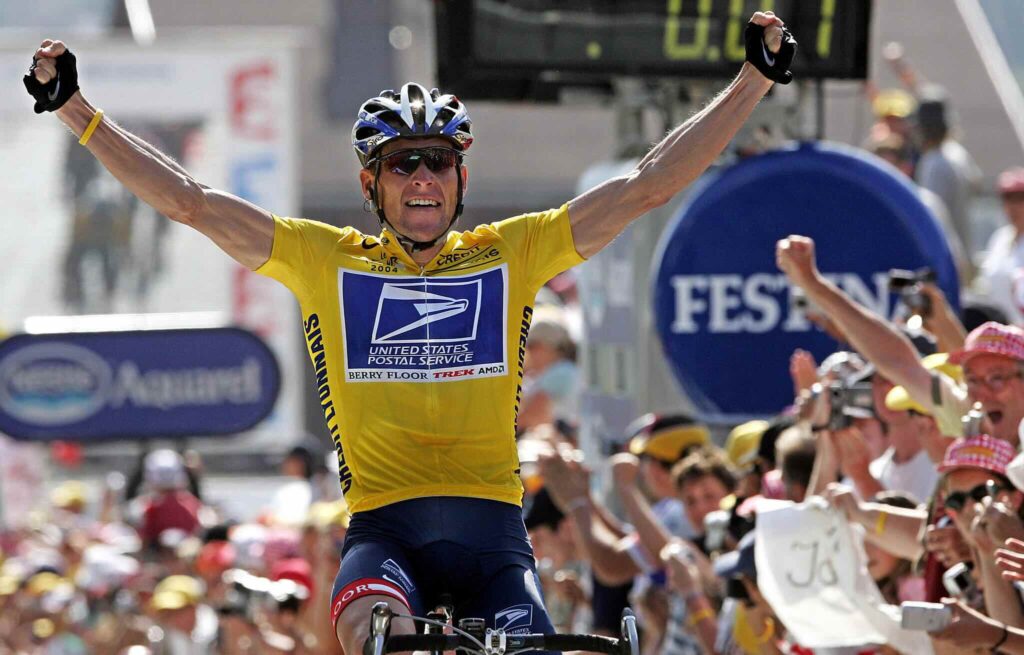
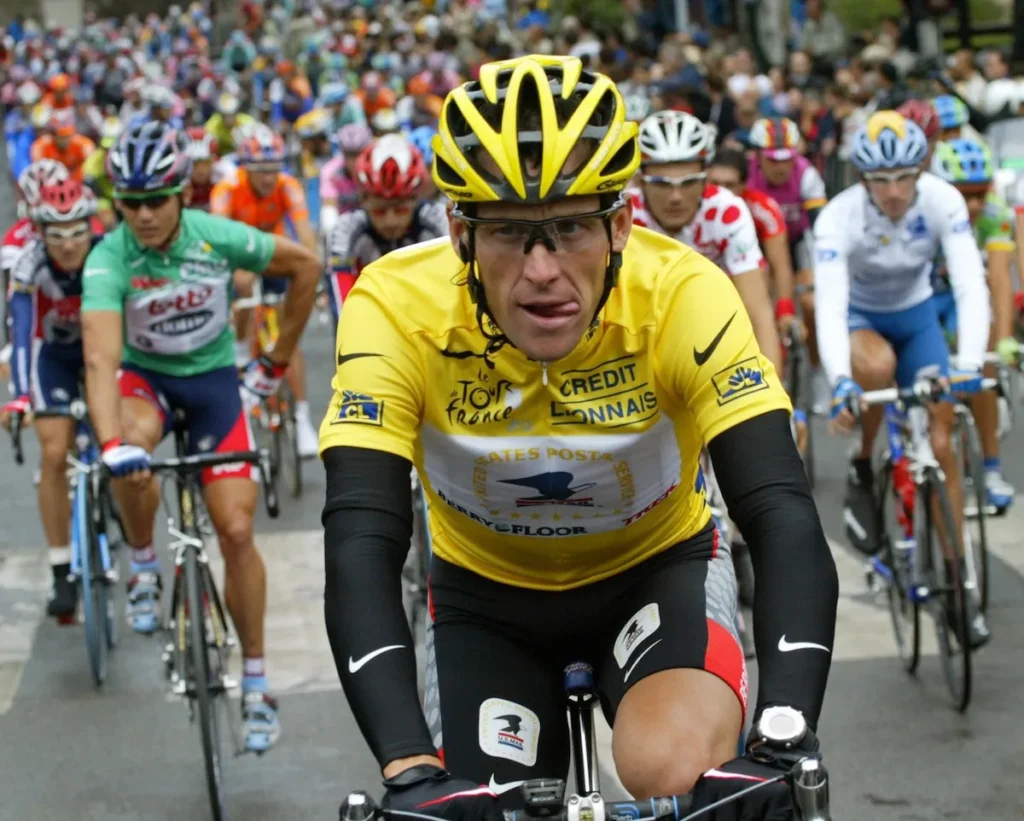
Over the next several years he dominated the race, winning seven consecutive Tour de France titles from 1999 to 2005. During this period he became the most successful rider in the history of the event.
His victories were built on several strengths:
- Exceptional climbing ability in the mountains
- Dominant performances in time trials
- Strong support from his team
- Strategic race management over three weeks
Armstrong’s success made him a global sports icon. His story of surviving cancer and returning to win the world’s biggest cycling race inspired millions.
The Livestrong Foundation
Beyond cycling, Armstrong became well known for his work supporting cancer survivors.
In 1997, he founded the Livestrong Foundation, which aimed to support people affected by cancer and raise awareness about the disease.
The foundation’s yellow Livestrong wristbands became a worldwide symbol of cancer support and were worn by millions of people.
For many fans, Armstrong represented hope and perseverance during this period.
Doping Allegations and Investigations
Throughout Armstrong’s career, there were persistent allegations that he had used performance-enhancing drugs.
Armstrong consistently denied these accusations for many years, and he was never officially caught through standard drug testing during his racing career.
However, investigations continued long after his retirement.
In 2012, the United States Anti-Doping Agency (USADA) released a report accusing Armstrong of leading one of the most sophisticated doping programmes in professional cycling.
As a result:
- Armstrong was banned from professional cycling for life
- All seven of his Tour de France victories were stripped
- His race results from 1998 onward were invalidated
These revelations dramatically changed how his career was viewed.
Public Admission
In 2013, Armstrong publicly admitted to using performance-enhancing drugs during his career in an interview with Oprah Winfrey.
The admission confirmed years of accusations and marked one of the most high-profile doping scandals in sports history.
Following the confession, Armstrong lost sponsorship deals, stepped down from his foundation, and faced numerous legal and financial consequences.
Lance Armstrong’s Legacy
Today, Armstrong’s place in cycling history remains complicated.
On one hand, his athletic performances were extraordinary. His comeback from cancer and dominance in the Tour de France captivated the world and brought enormous attention to the sport.
On the other hand, the doping scandal significantly damaged his reputation and raised broader questions about the culture of professional cycling during that era.
Some people remember Armstrong as an inspirational athlete who overcame illness and achieved remarkable success. Others view his career as a symbol of the doping problems that affected cycling in the late 1990s and early 2000s.
Both perspectives continue to shape the debate about his legacy.
Impact on Modern Cycling
The Armstrong scandal also had lasting effects on professional cycling.
In the years following the investigation, the sport introduced stricter anti-doping measures, including:
- Biological passport testing
- More advanced drug detection methods
- Increased transparency within teams
These changes helped rebuild trust in the sport and improve the credibility of modern racing.
Final Thoughts
The cycling career of Lance Armstrong remains one of the most dramatic and controversial stories in sports history.
From world champion to cancer survivor, from seven-time Tour de France winner to banned athlete, Armstrong’s journey reflects both the triumphs and challenges that have shaped modern cycling.
His story serves as a reminder of how powerful sport can be, inspiring millions while also highlighting the importance of integrity and fairness in competition.
Regardless of how history ultimately judges him, Lance Armstrong’s impact on cycling and global sport is undeniable.