When you see a Giant road bike on club rides, weekend tours, or even atop podium finishes in major races. You’re witnessing the legacy of one of the most influential bicycle brands in the world. So, what is the history of Giant bikes?
Giant isn’t just another bike company. It’s a name deeply woven into modern cycling’s evolution. From its manufacturing origins in Taiwan to professional racing success and innovation that changed how bikes are built.
From Taiwan to the World: Giant’s Founding
Giant was founded in 1972 in Dajia, Taichung County (now part of Taichung City), Taiwan, by King Liu and several friends. Originally, Giant functioned as a manufacturing partner for established brands. Making frames that other companies would sell under their own names. Giant’s expertise grew quickly. This is takes to major contract with Schwinn in 1977 to manufacture bikes as an Original Equipment Manufacturer. By the early 1980s, Giant was producing a significant portion of Schwinn’s bicycles. This helped the young Taiwanese company learn the business from the inside.
In 1981, the Giant brand was officially launched, introducing bikes under its own name in Taiwan. This was followed by rapid expansion into Europe and North America. Giant’s success in these markets transformed it from behind-the-scenes manufacturer to a global brand recognized for quality.
Innovation and Influence: Pioneering Technologies
Giant has been at the forefront of multiple bicycle design innovations:
Carbon Fiber Pioneer
In 1987, Giant introduced one of the earliest carbon fibre road bikes. The CADEX became one of the first companies to use computer-aided design and carbon materials in volume production. This innovation helped Giant compete directly with high-end European makers.
Compact Road Geometry and TCR
Another landmark moment came in 1997 with the introduction of the Total Compact Road (TCR) frame. Designed with a sloping top tube and smaller geometry. The TCR was stiffer, lighter, and more responsive than traditional designs. It would go on to influence road bike geometry industry-wide. That same innovation saw the TCR ridden by professional teams such as ONCE at the Tour de France. This was one of Giant’s earliest appearances in the sport’s most iconic race.
Giant and the Tour de France: Racing Impact
Many riders today assume that globally dominant brands must have many overall victories at the Tour de France. But, that isn’t how history plays out. Tour victories have traditionally belonged to European names such as Pinarello and Colnago.
Still, Giant earned widespread recognition in professional cycling when its bikes were used at the Tour de France. A remarkable achievement given the event’s historical dominance by European brands. In 1998, the ONCE team used Giant TCR bikes at the Tour, making Giant the first Asian bicycle brand in the race and further validating Taiwan’s role in high-end bike production.
Over the years, Giant bicycles and sponsored teams continued to feature in Grand Tours:
- Team Sunweb riders on Giant bikes scored several major jerseys at the Tour de France, including Warren Barguil’s King of the Mountains and Michael Matthews’ Green Points jersey, showcasing Giant’s presence in top-tier competition even if not taking overall General Classification wins.
- The TCR saw pro success, including a second-place podium finish with Joseba Beloki in the 2002 Tour de France.
While Giant hasn’t yet captured an overall Tour de France title on its own brand (and very few bikes outside that small group of historically dominant Italian makers have), its bikes have powered stage wins, classification jerseys, and top results, proving their capability in the toughest competition.
Pro Teams and Cyclists Who Have Ridden Giants
Giant has not consistently been a WorldTour title sponsor in recent years, but its racing presence has been significant through team partnerships:
Historic and Notable Pro Involvements
- ONCE ProTour team (1990s–early 2000s) — early exposure to grand tours.
- T-Mobile / Team Columbia / HTC-Highroad — Giant frames were ridden by sprint stars such as Mark Cavendish, who scored multiple Tour stage wins in the 2000s and helped raise Giant’s profile.
- Rabobank/Belkin, Team Giant-Shimano / Giant-Alpecin — throughout the 2010s, riders including Tom Dumoulin, Marcel Kittel, John Degenkolb, Warren Barguil, and Michael Matthews added high-level victories on Giant bikes, including grand tour stages and monuments.
Beyond the men’s peloton, Giant has also supported women’s and development squads, further expanding its influence and helping nurture talent across cycling disciplines.
Giant’s Most Popular Road Bikes
Giant’s road lineup covers a spectrum of riding styles and price points — from bikes designed for beginners to high-performance machines aimed at racers:
Giant TCR (Total Compact Road)
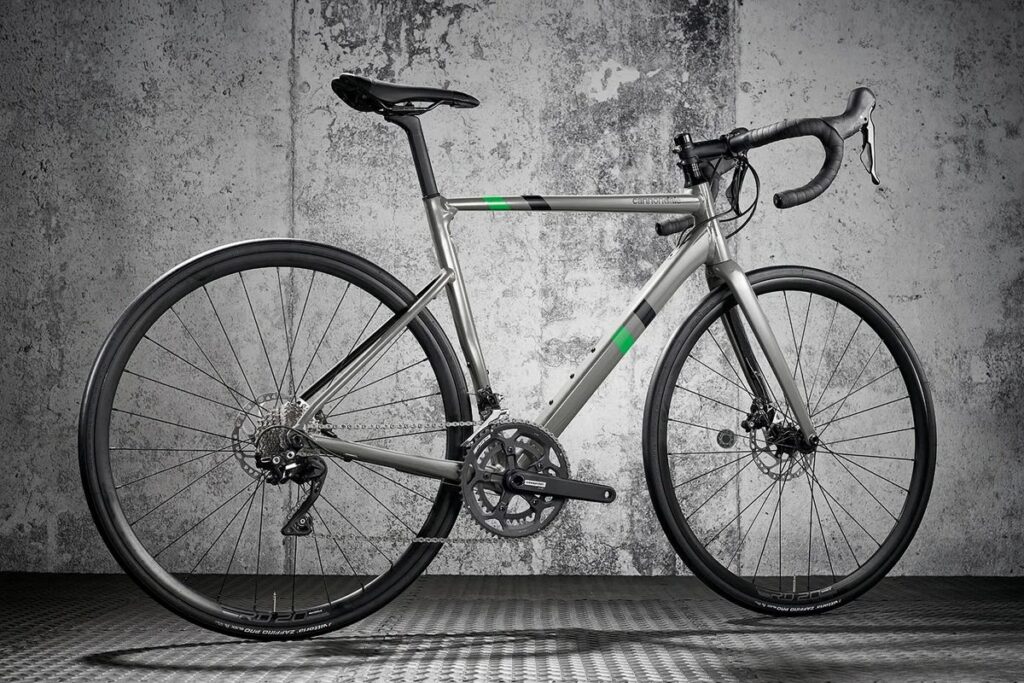
Arguably the brand’s most iconic model, the TCR is a race-oriented road bike that helped shape modern road geometry. It remains a favorite for riders seeking lightweight, responsive performance. Whether in local races, fast group rides, or challenging climbs.
Giant Defy
The Defy series is focused on endurance riding, comfort over long distances without sacrificing performance. It’s popular among riders who value stability, tire clearance for rough roads, and all-day comfort.
Giant Propel
For those who want aero performance, the Propel line offers race-inspired, speed-oriented designs with aerodynamic tube shaping while still being accessible for road racers and fast weekend riders.
Giant Contend
The Contend range sits between performance and comfort, offering a versatile road platform for riders who want strong performance without pure race geometry.
Giant’s CADEX
At the high end, CADEX bikes and components offer cutting-edge materials and performance tech, often used by pro athletes, including elite triathletes and road racers.
Quoting cyclists, the TCR in particular has been described by some riders as the Porsche 911 of bikes — a versatile, capable machine across varied road terrain and racing situations.
Beyond Road Bikes: Giant’s Broader Influence
Giant is one of the largest bicycle manufacturers in the world, producing millions of bikes annually and selling through tens of thousands of dealers worldwide. It’s also a major OEM for other brands, meaning many bikes from other companies are built using Giant-produced frames and components.
The company’s innovations extend into:
- Mountain bikes
- Electric bikes (e-bikes)
- Commuter and hybrid models
- Balance and children’s bikes, including award-winning designs such as the PRE rCARBON balance bike, recognized for innovation and sustainable materials.
Giant has consistently ranked as one of Taiwan’s top global brands, reflecting its scale, reputation, and influence in both sport and everyday cycling.
What Makes Giant Unique in Cycling
Several qualities define Giant’s place in cycling history:
Innovation from the Start
Giant has contributed lasting innovations, from carbon fiber production techniques to compact geometry that reshaped bike design.
Global Reach Without Losing Identity
Unlike niche boutique brands, Giant’s presence spans mass-market accessibility and high-performance offerings that reach pros and amateurs alike.
Pro Credibility
Even without winning overall Tour de France titles on its own branded bikes, Giant’s bikes have placed on Tour podiums, won stages, and claimed classification jerseys, real metrics of professional legitimacy.
Final Word: Giant’s Place on the Road
Giant’s journey from Taiwanese OEM to a top global cycling brand is a testament to innovation, adaptability, and a deep understanding of what riders need. Whether beginners, endurance riders, or elite racers. Its bikes have helped shape how modern road bikes are designed and built. Its presence in professional cycling has further reinforced its credentials.
From the revolutionary TCR to everyday endurance models like the Defy, Giant continues to offer bikes that meet a wide range of real-world riding needs. That’s why, whether you see one shared on Strava or rolled up at a café stop, you’re likely looking at a part of cycling history in motion.