The Giant Propel Advanced SL review covers one of the most accomplished aero road bikes on the market, blending aerodynamic efficiency, race-ready responsiveness, and everyday rideability. It’s designed for riders who want speed on the road, in breakaways, and over competitive group rides, without sacrificing refinement or comfort entirely.
Whether you’re on rolling terrain, flat wind-blown roads, or pushing hard on fast finishes, the Propel Advanced SL delivers measurable aero performance with a ride feel that still feels natural and engaging. This isn’t just about going fast. It’s about going fast rationally, using engineering that truly improves real-world performance.
Here’s our full Giant Propel Advanced SL review, honest, detailed, and rider-focused.
Overview / Verdict Up Front
Who this bike is for
– Competitive riders and aero enthusiasts
– Road racers and fast group riders
– Cyclists chasing speed gains on flat to rolling terrain
– Riders who value aero tech without sacrificing ride quality
Who this bike isn’t for
– Casual road riders seeking plush comfort
– Beginner cyclists looking for relaxed geometry
– Pure climbing specialists prioritising the lightest possible bikes
Quick take
The Giant Propel Advanced SL is a high-end aero road bike that delivers serious speed with real-world ride quality. It’s quick, stable, and confidence-inspiring, one of the best aero platforms for riders who want an advantage across long distances, fast courses, and competitive group rides.
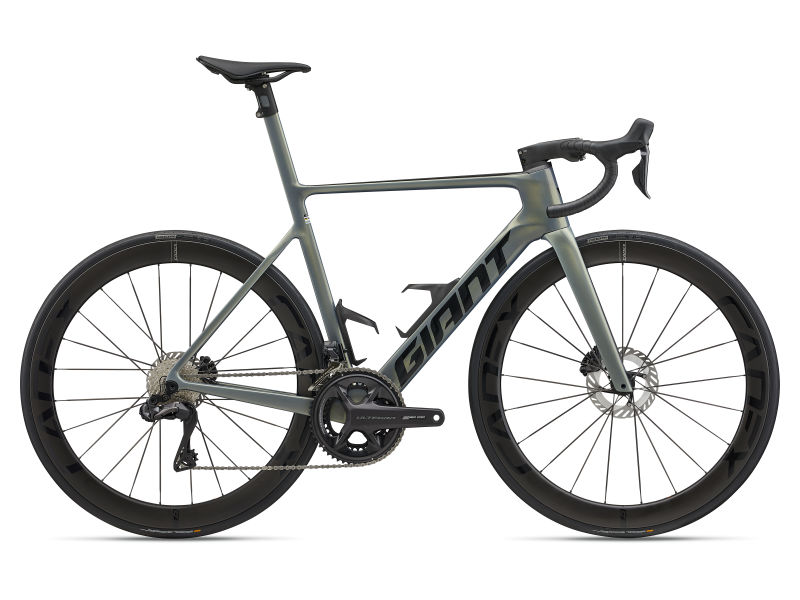
Key Specs (Real-World Relevant)
While exact build kits vary by model year and trim, common elements include:
Frame: Propel Advanced SL carbon aero frame
Fork: Integrated carbon aero fork
Brake Type: Hydraulic disc brakes
Drivetrain: Shimano Ultegra / Dura-Ace or SRAM equivalents
Wheels: Aero-optimised carbon wheelset
Tyre Clearance: Up to ~32 mm
Intended Use: Speed-focused road racing, fast group rides, time-critical training
The Propel Advanced SL sits above the regular Propel Advanced models, with lighter weight, more finely tuned aero shaping, and higher-spec components making it closer to a pro-level race bike, but still versatile enough for non-elite riders.
Ride Impressions (Core Section)
Aero Performance: Speed You Can Feel
Right away, the Propel tells you it’s built for speed.
Once up to pace momentum holds with less effort and flat sections feel less draining. The tailwinds and headwinds both feel more manageable.
The aero tube shapes really work in the real world, not just in wind tunnel numbers. On flat and rolling terrain, you notice subtle benefits in how the bike cuts through the air, especially on longer intervals or higher average speed rides.
This isn’t just marketing. It’s a practical, day-to-day aero advantage.
Handling: Predictable With Purpose
If you think “aero = harsh,” think again.
Handling on the Propel Advanced SL is:
Stable through corners
Balanced at speed
Predictable on descents
The geometry sits between a true race bike and an aggressive all-rounder. You get razor-sharp responsiveness without ever feeling nervous at speed. In crosswinds, it stays composed rather than skittish. A big win for aero bikes when the road gets real.
Whether you’re clipping into a paceline or threading through traffic, the steering feels precise and confident.
Stiffness & Acceleration: Efficient Everywhere
Aero bikes can sometimes feel disconnected under power, but the Propel doesn’t fall into that trap.
When you accelerate, the power transfer feels direct, and the bike responds without hesitation. The efforts feel natural, not muted or harsh.
It’s not “explosive lightweight” like a climbing bike, but it doesn’t feel slow or resistant either. You get confidence that your watts are going into forward motion, not being lost in flex.
Climbing: Efficient, Not Reserved
On climbs, the Propel handles solidly:
– Efficient power transfer keeps speed steady
– Aero shaping doesn’t feel like a penalty on moderate grades
– You can push tempo climbs without feeling sluggish
In truth, the bike doesn’t climb like a pure lightweight, but it feels lively and capable on real roads, no surprises, no dragging feel. For riders on mixed terrain or hilly courses, this is a huge plus.
Descending & Stability at Speed
This is another area where the Propel’s engineering shines:
– Hydraulic discs give confident stopping
– Steering stays planted
– Aero shaping helps maintain composure at high speed
Fast descents remain controlled rather than intimidating, and the bike tracks well even when tiring after a long ride.
Geometry & Fit
The Propel Advanced SL uses race-oriented geometry that’s performance-focused but not overly aggressive:
– Lower front end than endurance bikes
– Balanced reach for efficient riding posture
– Stable wheelbase for control at speed
Compared to pure climbing or endurance bikes:
– Slighter more aggressive than endurance
– Slightly more relaxed than extreme race geometry
This blend makes the Propel feel quick but not uncomfortable — even on longer rides.
Components & Build Options
Depending on the specific build, the Propel Advanced SL commonly features:
Shimano Ultegra Di2 / Mechanical — crisp, reliable shifting
Shimano Dura-Ace Di2 (on top builds) — premium precision
SRAM Red eTap AXS (on some builds) — smooth wireless electronic shifting
Carbon aero wheels — matched to the frame’s airflow design
Giant’s direct control over frame engineering often means the bike’s component choice complements the ride quality rather than detracts from it. A common issue on aero bikes with mismatched spec.
Tyres, Wheels & Clearance
Most models allow wide performance tyres — typically up to 32 mm:
– Wider tyres = better comfort
– Lower pressures = better grip
– Still aero efficient with minimal sacrifice
This lets you run tyres that feel good on real roads, not just smooth surfaces — a smart choice for aero bikes that still want usability.
Comparisons
Propel Advanced SL vs Propel Advanced
The SL is lighter, more refined, and spec’d higher — closer to pro-level performance.
Propel Advanced SL vs TCR Advanced SL
TCR = lightweight all-rounder
Propel SL = aero-focused performance
Both are excellent — but one favours speed, the other favours climbing responsiveness.
Propel Advanced SL vs Canyon Aeroad
Both target aero performance — each with different ride character. The Propel tends to feel a touch smoother and more composed at speed, while the Aeroad feels pursuer-focused and razor-sharp.
Pros & Cons
✅ Pros
– Excellent aero performance on real roads
– Responsive acceleration & power transfer
– Stable and predictable handling
– Compatible with wider performance tyres
– High-spec build options with modern Di2 / eTap
❌ Cons
– Not as plush as pure endurance road bikes
– Aero bikes can be less forgiving in extremely rough conditions
– Premium pricing on top builds
Who Should Buy the Giant Propel Advanced SL?
Perfect for:
– Competitive riders & racers
– Fast club ride regulars
– Enthusiasts who want aero performance
– Riders who value speed + real-world rideability
Less ideal for:
– Casual weekend riders
– Pure comfort-focused endurance cyclists
– Riders preferring a relaxed upright fit
Final Thoughts
The Giant Propel Advanced SL is one of the most complete aero road bikes you can ride.
It delivers measurable aero gain, efficient power transfer, confidence-inspiring handling and modern performance components.
It’s not just fast on paper. It’s fast on real roads.
If your goal is to go faster with less effort, while still retaining a bike that’s fun to ride every day, the Propel Advanced SL deserves serious consideration.
It’s not just an aero bike.
It’s an everyday aero performance machine.
Quick Summary
Best for: Aero racing & fast group rides
Ideal tyre size: 28–32 mm
Sweet spot: Speed + confidence + responsiveness
Ride feel: Fast, efficient, composed