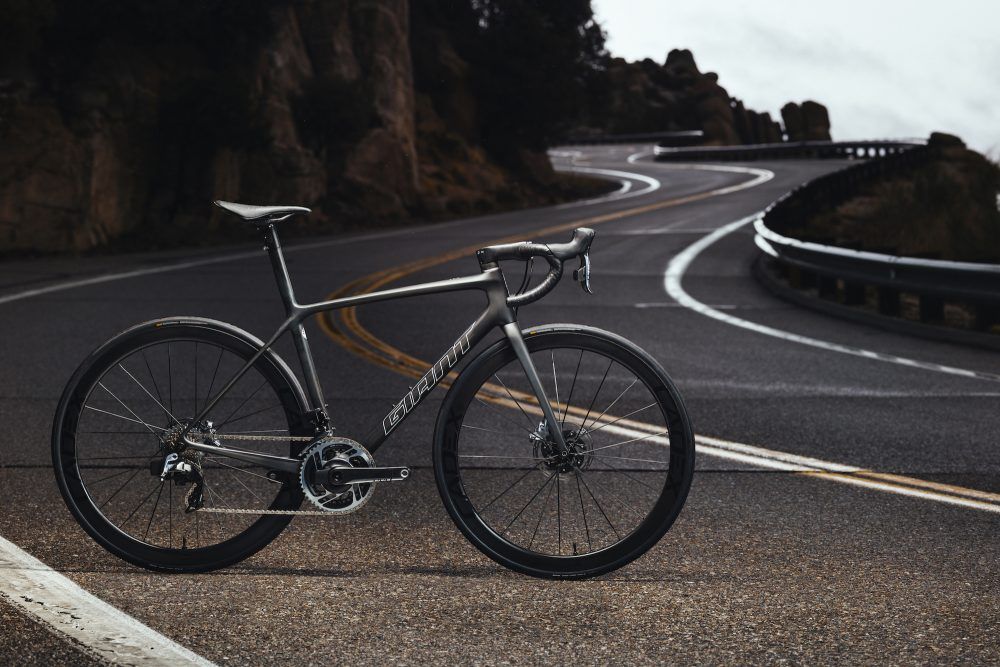
What you need, how to do it, and tips every cyclist should know. Here’s a step-by-step guide on how to change a road bike tyre.
Getting a flat tyre is one of the most common problems road cyclists face. Whether you ride daily or only on weekends, sooner or later you’ll hit a piece of glass, a sharp stone, or debris that punctures your inner tube.
The good news is that changing a road bike tyre is one of the easiest maintenance skills you can learn. With a few small tools and a little practice, you can fix a puncture in just a few minutes and get back on the road.
This guide explains what you need to carry and exactly how to change a road bike tyre step-by-step.
What Causes Road Bike Punctures?
Before learning how to fix a puncture, it helps to understand why they happen.
Common causes include:
– Glass or sharp debris on the road
– Small stones trapped in the tyre
– Worn or damaged tyres
– Pinch flats from hitting potholes
– Low tyre pressure
Even experienced cyclists get punctures occasionally, so learning how to fix one is essential.
What You Need to Change a Road Bike Tyre
Every cyclist should carry a small repair kit when riding. The tools are compact and easy to store in a saddle bag or jersey pocket.
Essential Tools
Spare inner tube
The fastest way to repair a puncture is to replace the inner tube rather than patching it at the roadside.
Tyre levers
Small plastic levers used to remove the tyre from the rim.
Mini pump or CO₂ inflator
You’ll need a way to inflate the tyre after replacing the tube.
Patch kit (optional)
Useful if you get multiple punctures or want to repair the damaged tube later.
Optional but Useful Items
– Small multi-tool
– Disposable gloves
– Tyre boot (for damaged tyres)
– Spare CO₂ cartridge
A basic repair kit weighs very little but can save a long walk home.
Step 1: Remove the Wheel
First, shift your gears so the chain is on the smallest rear cog. This makes it easier to remove the wheel.
If the rear tyre is flat:
- Open the brake caliper if necessary.
- Open the quick release lever or through-axle.
- Pull the wheel down and out of the frame.
For the front wheel, simply release the axle and remove it.
Step 2: Remove the Tyre
Next, you need to remove one side of the tyre from the rim.
- Insert a tyre lever under the edge of the tyre.
- Hook the lever onto a spoke to hold it in place.
- Insert a second lever a few centimetres away and slide it around the rim.
This will lift the tyre bead off the rim so you can access the inner tube.
Step 3: Remove the Inner Tube
Once one side of the tyre is off the rim:
- Pull out the punctured inner tube.
- Remove the valve from the rim.
If you plan to patch the tube later, keep it with you.
Step 4: Check the Tyre for Sharp Objects
Before installing a new tube, inspect the inside of the tyre carefully.
Run your fingers along the inside of the tyre and check for:
– Glass
– Sharp stones
– Metal debris
– Thorns
If you leave the object inside, it will puncture the new tube immediately.
Step 5: Insert the New Inner Tube
Take your spare inner tube and add a small amount of air so it holds its shape.
Then:
- Insert the valve through the valve hole in the rim.
- Place the tube evenly inside the tyre.
- Tuck the tube inside the tyre all the way around the rim.
This helps prevent the tube from getting pinched.
Step 6: Reinstall the Tyre
Starting opposite the valve:
- Push the tyre bead back onto the rim.
- Work around the wheel with your hands.
Most tyres can be fitted without tools, but if it’s tight, you can carefully use a tyre lever.
Be careful not to pinch the inner tube between the tyre and rim.
Step 7: Inflate the Tyre
Once the tyre is seated correctly:
- Inflate the tube using a mini pump or CO₂ cartridge.
- Check that the tyre bead sits evenly around the rim.
Road bike tyres usually require pressures between 80–110 PSI, depending on tyre size and rider weight.
Step 8: Reinstall the Wheel
Finally, place the wheel back into the bike frame.
- Secure the quick-release or through-axle.
- Reconnect the brakes if necessary.
- Spin the wheel to ensure it rotates smoothly.
You’re now ready to ride again.
Tips for Preventing Punctures
While punctures can’t always be avoided, a few simple habits can reduce the risk.
Keep tyres properly inflated
Low pressure increases the chance of pinch flats.
Replace worn tyres
Old tyres lose their puncture resistance.
Avoid debris on the road
Try to steer clear of glass and sharp objects.
Use puncture-resistant tyres
Many modern tyres include protective layers that reduce punctures.
Final Thoughts
Learning how to change a road bike tyre is one of the most valuable skills any cyclist can have. With just a few small tools and a little practice, you can repair a puncture quickly and avoid being stranded miles from home.
The key is preparation. Carry a spare tube, tyre levers, and a pump on every ride so you’re always ready when a puncture happens.
Once you’ve fixed your first flat tyre on the roadside, you’ll realise it’s a simple job — and an essential part of being a confident road cyclist.