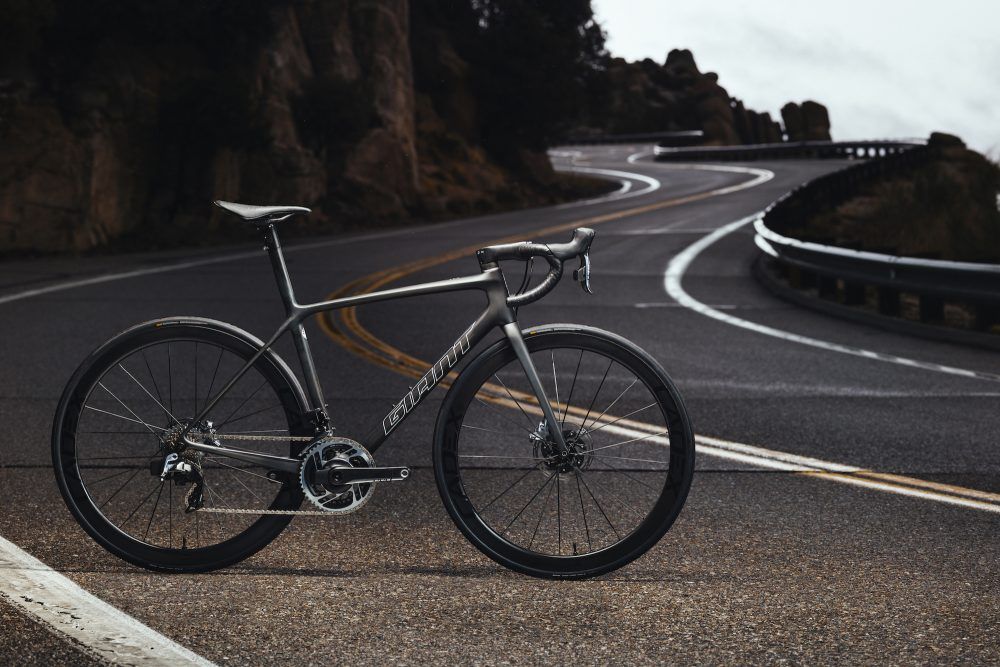
Simple shifting, smoother rides, and less leg pain. Explore how to use road bike gears and finally crack the code.
If you’re new to road cycling, gears can feel confusing, even intimidating. Two shifters. Lots of clicks. Strange noises when you shift “wrong.” And the nagging feeling that everyone else knows what they’re doing.
Here’s the truth: Road bike gears are simple once you understand what they’re for.
This guide will teach you:
- What the gears actually do
- How front and rear gears work together
- When to shift (and when not to)
- How to avoid common beginner mistakes
- How to ride more comfortably with less effort
No racing talk. No tech overload. Just practical riding advice.
Table of Contents
- What Do Road Bike Gears Actually Do?
- Understanding Your Gears (Front vs Rear)
- What “Easy” and “Hard” Gears Mean
- How to Shift Gears on a Road Bike
- When to Shift Gears (Real-World Examples)
- Cadence: The Secret to Comfortable Riding
- Common Beginner Gear Mistakes
- Gearing for Hills, Flats, and Descents
- Mechanical vs Electronic Shifting (Briefly)
- Quick Gear-Use Cheat Sheet
1. What Do Road Bike Gears Actually Do?
Road bike gears exist for one simple reason:
To keep your pedalling comfortable, no matter the terrain.
Gears don’t make hills easier. They make pedalling manageable.
Gears don’t make you faster. They help you ride longer without fatigue.
The goal is always the same:
- Pedal at a steady rhythm
- Avoid grinding (pushing too hard)
- Avoid spinning wildly with no resistance
Good gear use = smoother, more enjoyable rides.
2. Understanding Your Gears: Front vs Rear
Most road bikes have:
- 2 front chainrings (by the pedals)
- 8–12 rear cogs (on the back wheel)
Front Gears (Big vs Small Chainring)
- Big ring (front): Harder gears
- For flats and descents
- Small ring (front): Easier gears
- For hills and tired legs
Think of the front gears as big adjustments.
Rear Gears (Cassette)
- Small rear cogs: Harder gears
- Large rear cogs: Easier gears
Think of the rear gears as fine-tuning.
Simple Rule
- Front gears = terrain
- Rear gears = comfort adjustment
3. What “Easy” and “Hard” Gears Mean
This is where beginners often get confused.
Easy Gear
- Pedals turn easily
- Legs spin faster
- Less force per pedal stroke
- Ideal for:
- Hills
- Starting from a stop
- When tired
Hard Gear
- Pedals feel heavy
- Legs turn slower
- More force per pedal stroke
- Ideal for:
- Flat roads
- Descents
- Higher speeds
There is no “correct” gear. Only the gear that feels right.
4. How to Shift Gears on a Road Bike
Shimano / SRAM (Typical Setup)
- Right shifter: Rear gears
- Left shifter: Front gears
(Exact mechanics vary slightly, but the concept is the same.)
Key Rule
Only shift while pedalling lightly.
Never shift when:
- Standing and sprinting
- Pedalling very hard uphill
- Not pedalling at all
Shifting under heavy load causes noise, missed shifts, and wear.
5. When to Shift Gears (Real-World Examples)
Starting from a Stop
Before you stop:
- Shift into an easy gear
- Small front ring (if needed)
- Larger rear cog
This makes pulling away smooth and easy.
Approaching a Hill
Shift before the hill gets steep.
Bad:
❌ Waiting until your legs are screaming
❌ Shifting under heavy load
Good:
✔ Downshift early
✔ Keep pedalling rhythm steady
Riding on Flat Roads
- Big front ring
- Middle rear gears
- Adjust rear gears to keep cadence comfortable
Descending
- Big front ring
- Smaller rear gears
- Only pedal if it feels natural — coasting is fine
6. Cadence: The Secret to Comfortable Riding
Cadence = how fast your legs spin.
For beginners:
- Aim for 70–90 rpm
- If your legs feel slow and heavy → shift easier
- If your legs are spinning wildly → shift harder
Rule of Thumb
If you can talk in full sentences, your cadence is probably right.
7. Common Beginner Gear Mistakes
❌ Cross-Chaining
This happens when:
- Big front ring + big rear cog
- Small front ring + small rear cog
It causes:
- Chain noise
- Poor shifting
- Extra wear
Solution:
Use the middle rear gears with each front ring.
❌ Staying in One Gear Too Long
Many beginners pick one gear and suffer.
Shift often. There is no penalty for shifting.
❌ Grinding Hills
Pushing too hard:
- Tires your legs fast
- Causes knee pain
Easier gears = better endurance.
8. Gearing for Hills, Flats, and Descents
Hills
- Small front ring
- Larger rear cogs
- Smooth, steady pedalling
Flats
- Big front ring
- Middle rear cogs
- Comfortable cadence
Descents
- Big front ring
- Small rear cogs
- Or coast and enjoy it
9. Mechanical vs Electronic Shifting (Beginner View)
Mechanical Gears
- Cable-operated
- Affordable
- Very reliable
- Perfect for beginners
Electronic Gears (Di2 / AXS)
- Button-press shifting
- Always precise
- Expensive
- Nice, but not necessary
Good gear habits matter more than expensive systems.
10. Quick Gear-Use Cheat Sheet
| Situation | Front Gear | Rear Gear |
|---|---|---|
| Starting | Small | Large |
| Climbing | Small | Large |
| Flat cruising | Big | Middle |
| Descending | Big | Small |
| Tired legs | Small | Larger |
Final Thoughts
Learning to use road bike gears isn’t about memorising rules.
It’s about listening to your legs.
If pedalling feels:
- Too hard → shift easier
- Too easy → shift harder
That’s it.
With practice, gear changes become automatic, and once they do, riding becomes smoother, more efficient, and far more enjoyable.
FAQs
How often should I shift gears?
The best way to learn how to use road bike gears is to shift as often as needed. Good riders shift constantly to stay comfortable.
Is it bad to shift a lot?
No. It’s bad not to shift.
Why does my bike make noise when I shift?
Usually:
- Shifting under heavy load
- Cross-chaining
- Gears need adjustment
Do more gears make riding easier?
Not necessarily. Better gear use matters more than the number of gears.
Should I always stay in the big front ring?
No. The small ring exists for a reason — use it.