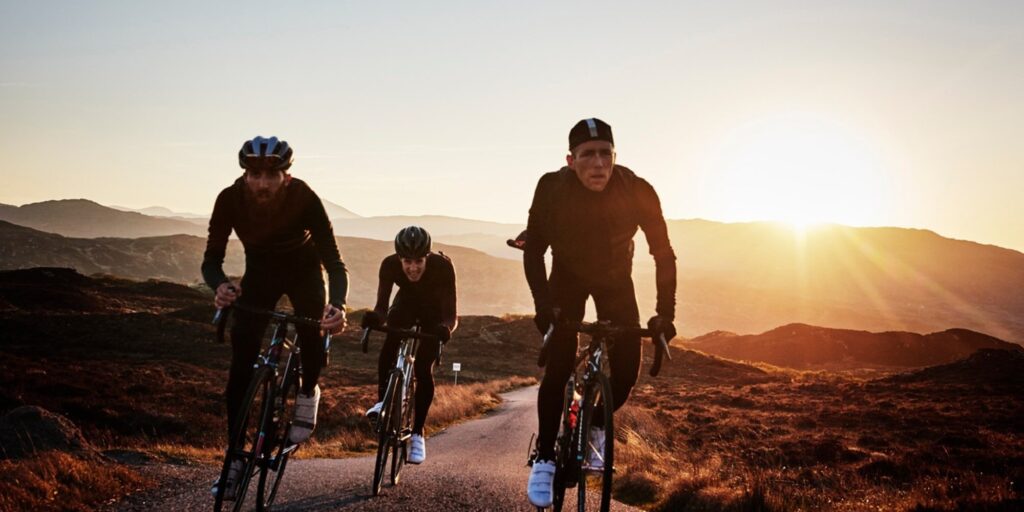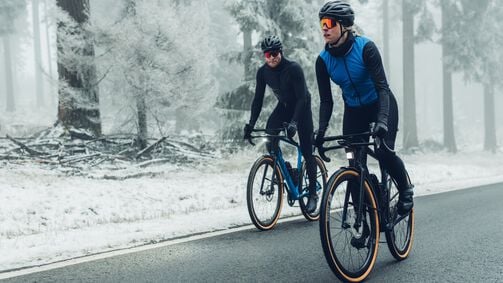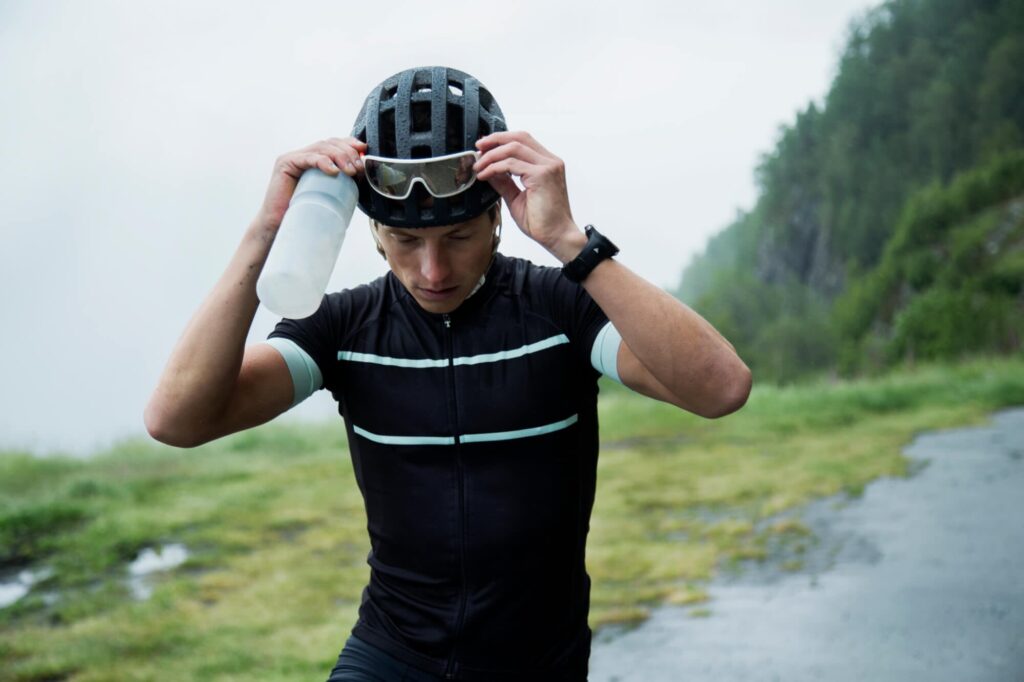
Durable, easy to maintain, and built for luggage, from smooth European lanes to rough rural backroads. Let’s look at the best road bikes for riding around the world.
If you want to ride around the world (or even just ride like you could), you need a different kind of road bike.
Not a featherweight race bike with hidden cables and proprietary parts. Not a fragile showpiece that’s brilliant for two-hour blasts and miserable for month-long travel. The best long-distance road travel bikes are the ones you can load up, ride daily, fix anywhere, and keep for years.
Think: bikes with storage options, rack mounts, fork mounts, bottle bosses everywhere, clearance for tougher tyres, and a frame that doesn’t panic when the road turns ugly. The vibe is “Cannondale ST-500 energy”: practical, tough, and ready to carry your life.
This guide covers:
- What makes a great world-travel road bike
- The best bike styles for different countries and road conditions
- The best bikes to consider (with price tiers)
- How to set up storage, durability, and maintenance for the long haul
What makes a “ride anywhere” road bike?
A world-travel road bike needs to do five things really well:
1) Carry gear without drama
Look for:
- Rear rack mounts (eyelets)
- Front rack or fork mounts (anything cages / lowrider mounts)
- Multiple bottle cage mounts (3+ is a win)
- Fender mounts (rain happens)
2) Survive bad roads and heavy mileage
Priorities:
- Strong wheels (ideally 32–36 spokes)
- Frames designed for loaded riding (stable geometry)
- Tyre clearance for 35–50mm (depending on your route)
3) Be easy to repair anywhere
Around the world, bike shop availability varies. Choose:
- Mechanical shifting (easy to service)
- Cable-actuated brakes or simple hydraulics (both can work, but simplicity wins)
- Standard parts (avoid proprietary cockpits, fully integrated hoses)
4) Be comfortable for long days
Key features:
- Endurance/touring geometry (higher stack, stable handling)
- Room for wider tyres
- Multiple hand positions (drop bars, or alt bars)
5) Stay reliable for years
Look for:
- Steel frames (repairable and durable) or robust aluminum touring frames
- Threaded bottom brackets (less creaky, easier to service)
- External cable routing (easy fixes)
Best bike “types” for global road travel
Different trips need different tools. Here’s the simple breakdown:
A) Touring road bikes (classic round-the-world)
Best for: long trips, heavy loads, remote areas
Traits: steel frames, stable geometry, tons of mounts, 36-spoke wheels
B) All-road / gravel-touring bikes
Best for: mixed pavement + rough roads, lightweight luggage setups
Traits: lighter, faster, big tyre clearance, still has mounts
C) Randonneur / endurance “fast touring”
Best for: mostly pavement, long daily distances, credit-card touring
Traits: comfortable, efficient, handles small-to-medium loads
The best road bikes for world travel (with storage options)
Below are standout bikes (and platforms) known for being load-friendly, durable, and serviceable. Availability varies by country and model year, but these are excellent benchmarks.
1) Surly Disc Trucker
Type: Classic touring
Why it works: Built specifically for loaded riding with tons of mounts, stable handling, and proven durability.
Best for: Big trips, heavy panniers, long-term ownership
Maintenance vibe: Simple, standard parts, easy to keep rolling
2) Trek 520 / Trek touring platform alternatives
Type: Classic touring
Why it works: The 520 became a touring icon for decades—stable, comfortable, rack-ready. (Depending on your market, newer “touring-style” Trek options may replace it.)
Best for: Traditional touring setups
Maintenance vibe: Straightforward touring standards
3) Kona Sutra (and Sutra LTD)
Type: Touring / adventure touring
Why it works: Comfortable, durable, and designed for loaded travel. The LTD version leans rougher-road capable.
Best for: Mixed conditions + long distances
Maintenance vibe: Practical build choices, great travel geometry
4) Salsa Marrakesh
Type: World touring
Why it works: Purpose-built for big routes with a strong reputation for stability and carry capacity.
Best for: Long-haul pavement and broken backroads
Maintenance vibe: Touring-first component philosophy
5) Specialized Diverge (travel build mindset)
Type: All-road / gravel
Why it works: Not a traditional touring bike, but many Diverge builds are excellent “go anywhere” travel bikes with smart cargo mounts and big tyre clearance—great for lighter luggage.
Best for: Faster travel, mixed surfaces, varied countries
Maintenance vibe: Choose simpler builds for global travel (mechanical > electronic)
6) Canyon Grizl (mount-heavy all-road touring)
Type: Gravel-touring
Why it works: Known for lots of mounting points and big tyre clearance—good for riders who want a modern “pack light, go far” setup.
Best for: Bikepacking-style road travel
Maintenance vibe: Plan ahead for parts depending on where you’ll ride
7) Genesis Tour de Fer (UK/Europe favorite)
Type: Touring
Why it works: Stable, steel, mount-rich, built for real travel loads.
Best for: European touring, long mixed-weather trips
Maintenance vibe: Classic touring serviceability
8) Ribble CGR (endurance + cargo, travel-friendly builds)
Type: All-road
Why it works: Great for riders who want one bike that can commute, tour, and do long road rides—especially with lighter luggage.
Best for: Mostly paved travel with occasional rough sections
Maintenance vibe: Configure it with dependable, common components
9) Bombtrack Beyond (and similar “adventure road” bikes)
Type: All-road adventure
Why it works: Mounts everywhere, big tyre clearance, durable build philosophy.
Best for: Mixed country routes and long-distance versatility
Maintenance vibe: Built for practical travel setups
10) “Old-school touring steel” (the underrated option)
Type: Used classics (your Cannondale ST-500 style)
Why it works: Many older touring/trekking bikes are absolute gold for world travel: steel frames, rack mounts, simple drivetrains, and standard parts.
Best for: Budget-minded travelers and riders who value fixability
Maintenance vibe: The easiest bikes in the world to keep alive
Pro tip: If you find a well-kept older touring frame with mounts and sensible geometry, it’s often a better travel tool than a brand-new bike with overly integrated parts.
Price tiers (what you get at each level)
Budget: “Used touring bike + smart upgrades”
- Spend money on: tyres, wheels, racks, contact points
- Goal: reliability and comfort over shiny components
Mid-range: “New steel touring or all-road”
- Best value zone for world travel
- Often includes proper mounts, stable geometry, and serviceable parts
Premium: “High-end all-road with refined comfort”
- Great if you’re riding more pavement and want speed too
- Just avoid proprietary everything if global service matters
Best bikes by region and road style
Europe (France, Italy, Spain, Germany)
Best match: Endurance/all-road with light luggage
- Roads are generally good, services are frequent
- Prioritize comfort, speed, and weather readiness (fenders help)
UK & Ireland
Best match: All-road with wider tyres + fenders
- Rough patches + wet conditions = tyre clearance + fenders win
Southeast Asia
Best match: Durable touring bike with simple parts
- Heat, rain, and long distances reward reliability and easy maintenance
South America
Best match: Touring or gravel-touring depending on route
- Surfaces vary wildly; clearance and strong wheels matter
Australia / New Zealand
Best match: All-road touring (stable, efficient)
- Long distances between towns—carry capacity and comfort matter
Remote / mixed-condition travel anywhere
Best match: Classic touring steel + mechanical everything
- Choose what you can fix with basic tools and common parts
Storage options: how to carry gear without ruining the ride
You’ve got three main load styles:
1) Panniers (most capacity, most stable when done right)
- Best for long trips and heavy loads
- Use a quality rear rack + stable front setup if needed
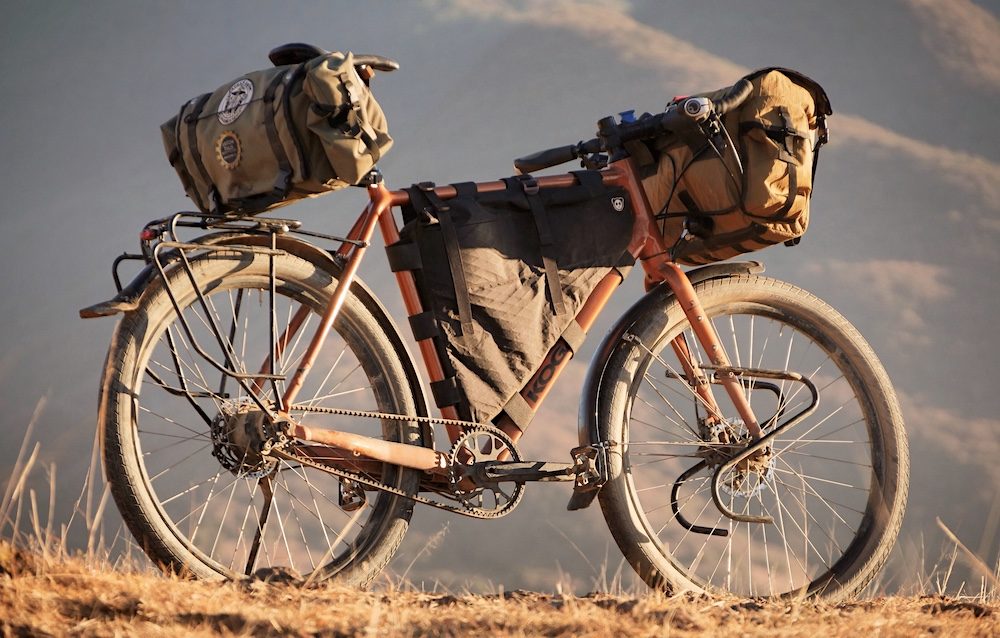
2) Bikepacking bags (lighter, faster, less wind drag)
- Great for mixed surfaces and travel where carrying the bike matters
- Frame bag + seat pack + handlebar roll is the classic trio
3) Hybrid setup (best of both)
- Small panniers rear + frame bag + top tube bag
- Excellent for “road touring with flexibility”
Longevity & easy maintenance checklist
If you want a bike that lasts and is easy to repair worldwide, prioritize:
- Mechanical shifting (or at least widely available parts)
- Standard seatpost diameter and stem
- Threaded bottom bracket
- External or semi-external cable routing
- Common wheel sizes (700c is easiest globally)
- 32–36 spoke wheels with quality rims
- Tyres you can replace anywhere (avoid ultra-niche sizes)
And carry a small kit:
- Tubes/patches, tyre levers, mini pump
- Quick links for your chain
- Spare derailleur hanger (if your bike uses one)
- A few bolts and zip ties (seriously)
Final thoughts: the best world bike is the one you can keep riding
A great “ride around the world” road bike isn’t defined by carbon layups or aero shaping.
It’s defined by:
- How calmly it handles when loaded
- The comfort it feels after four hours
- How easy it is to fix when something goes wrong
- How confident it makes you feel on unfamiliar roads
Pick the bike that’s boringly reliable, generously mountable, and built for the long run.
Because the real flex isn’t owning the fanciest bike.
It’s being able to ride anywhere, for as long as you want.