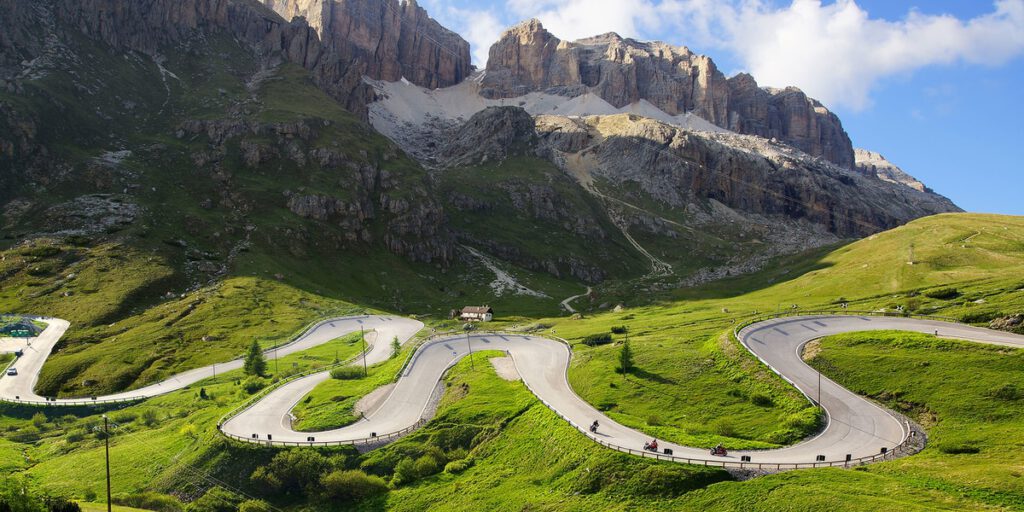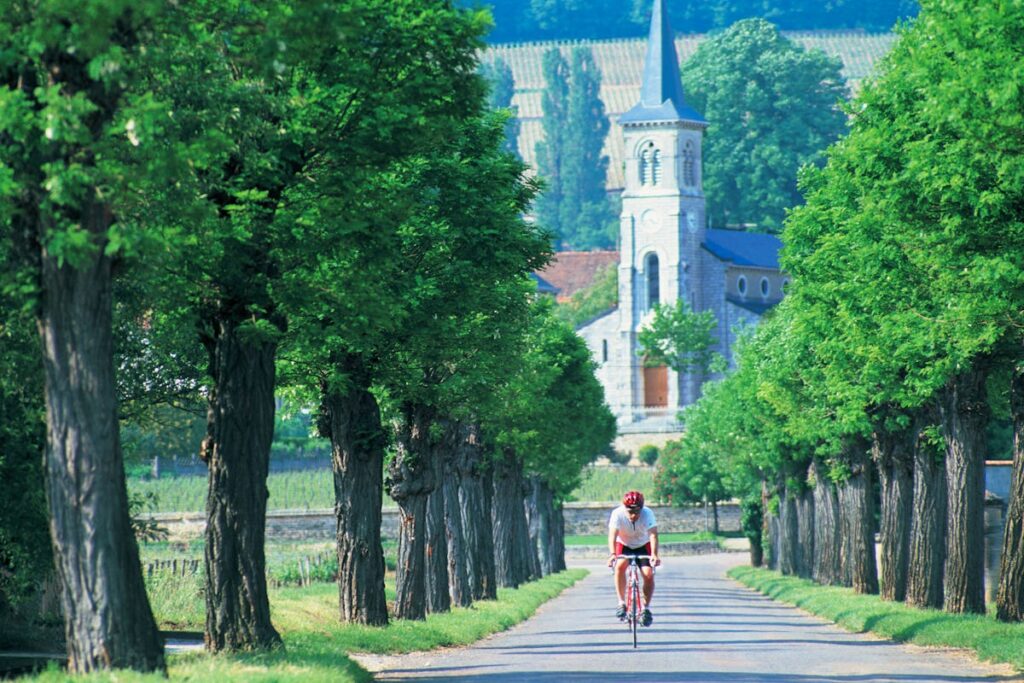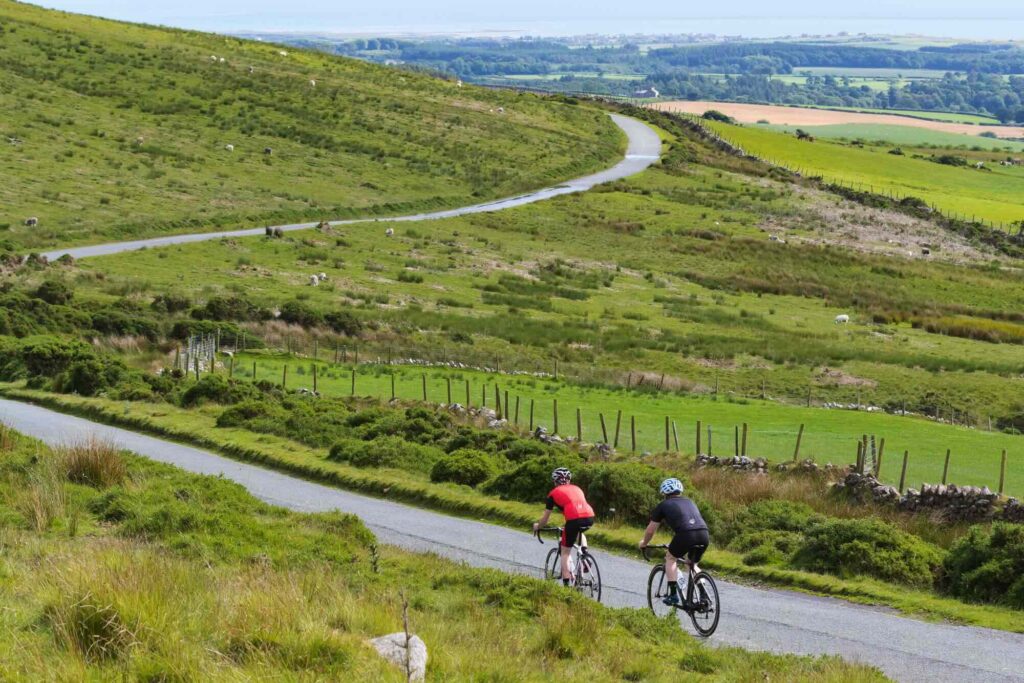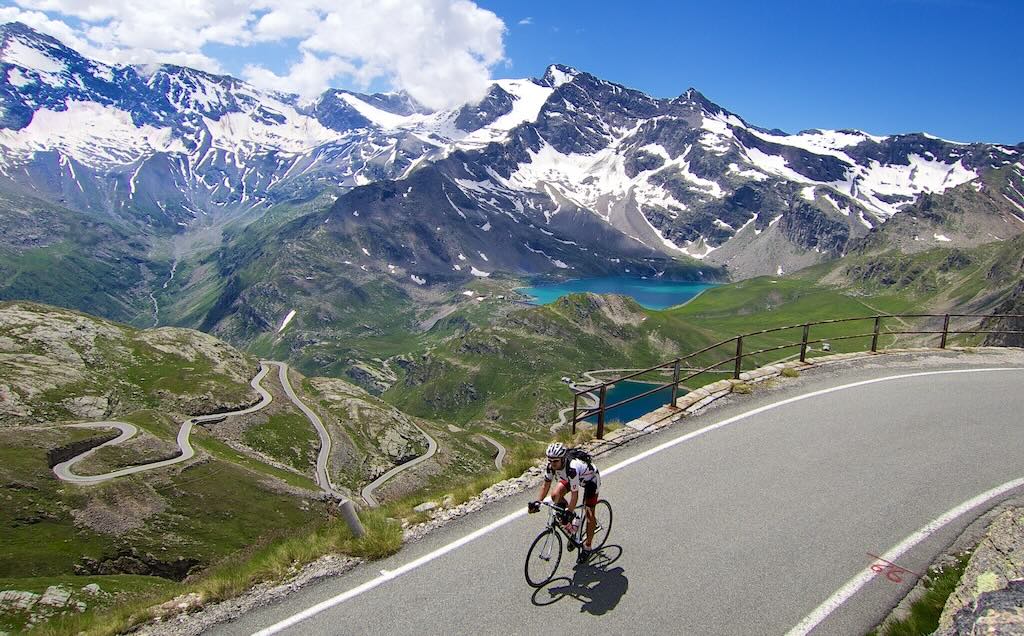
Where engineering, landscape, and riding rhythm meet. Here are the best roads to cycle in Switzerland.
Switzerland doesn’t just have great cycling roads. It has some of the best-built roads in the world.
The tarmac is immaculate. The climbs are logical. The descents feel engineered rather than improvised. And the scenery is quietly spectacular without ever feeling chaotic. Cycling in Switzerland is precise, measured, and deeply rewarding.
This isn’t a place for careless riding. It’s a place for considered effort, steady pacing, and appreciation of how well a road can be designed for movement.
Here are the best roads to cycle in Switzerland, and why each one deserves your time.
Why Switzerland Is Special for Road Cycling
Switzerland rewards riders who value:
- Predictable road surfaces
- Thoughtful gradients
- Low traffic on mountain passes
- Consistent signage and safety
- Riding that feels intentional
You rarely fight Swiss roads. You work with them.
1. Furka Pass
Precision climbing with a cinematic backdrop
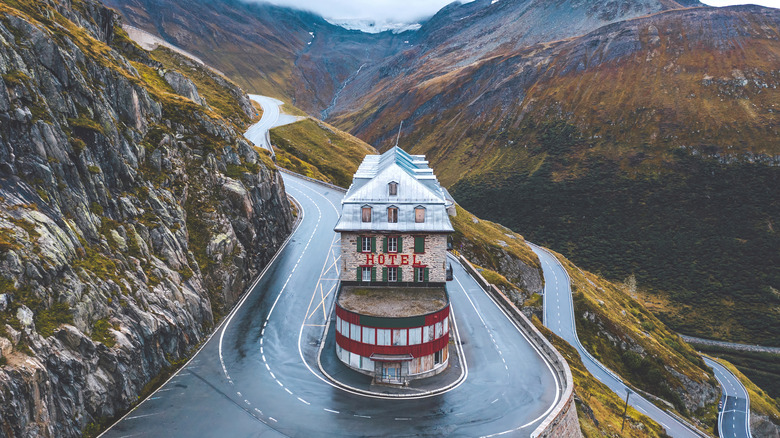
The Furka Pass feels like a masterclass in road design.
From Andermatt, the climb unfolds gradually, with perfectly spaced switchbacks and a rhythm that encourages patience rather than brute force. The views of glaciers and alpine valleys grow wider as you climb, without ever overwhelming the ride itself.
The descent is fast, smooth, and controlled — exactly what you want after a long ascent.
Why it’s special:
Consistency, engineering, and visual drama in perfect balance.
2. Grimsel Pass
Flow over force
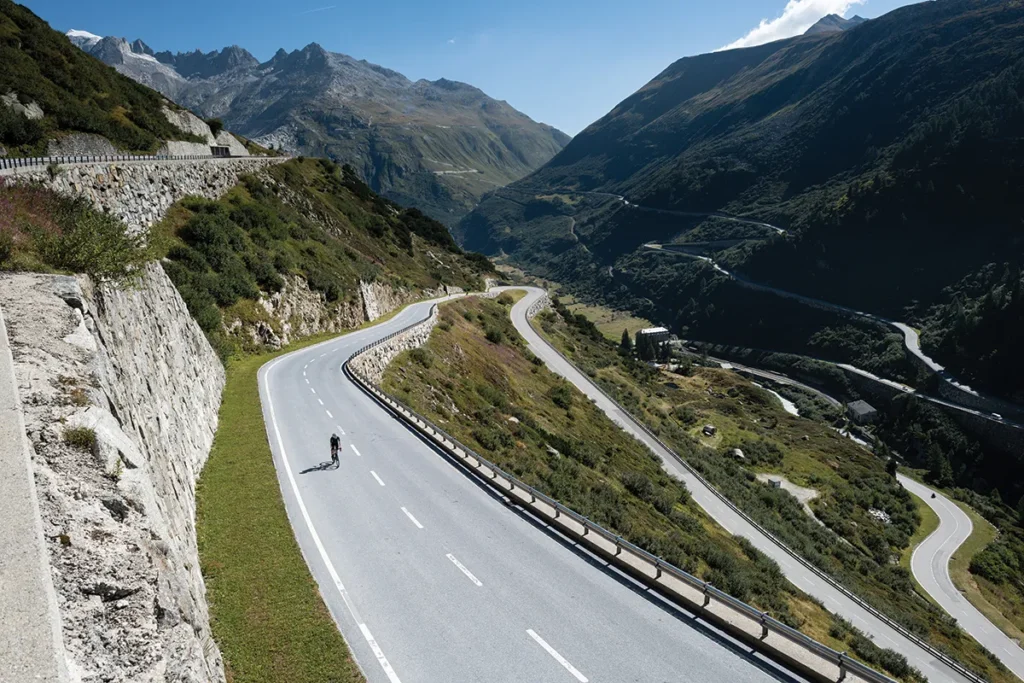
Often paired with the Furka, the Grimsel Pass is one of the most rideable high mountain roads anywhere.
Wide lanes, predictable gradients, and sweeping curves make this a dream for riders who value flow. It’s challenging without being cruel, and stunning without being distracting.
The sense of space up top is unforgettable.
Why it’s special:
Smooth climbing, long views, and effortless rhythm.
3. Susten Pass
The most elegant pass in Switzerland
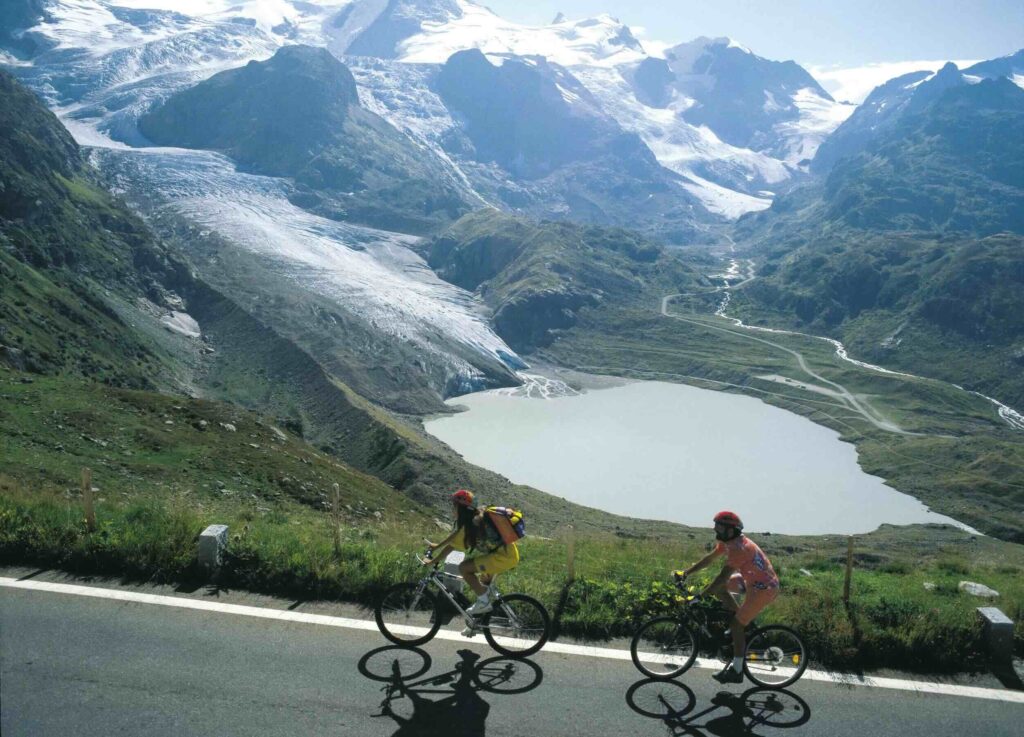
If Switzerland had a signature climb, the Susten Pass might be it.
This road feels almost luxurious to ride. The surface is flawless, the gradients are even, and the scenery transitions slowly from forest to open alpine terrain.
It’s a road that invites you to settle in, not attack.
Why it’s special:
Elegance, consistency, and calm.
4. Albula Pass
A quieter classic
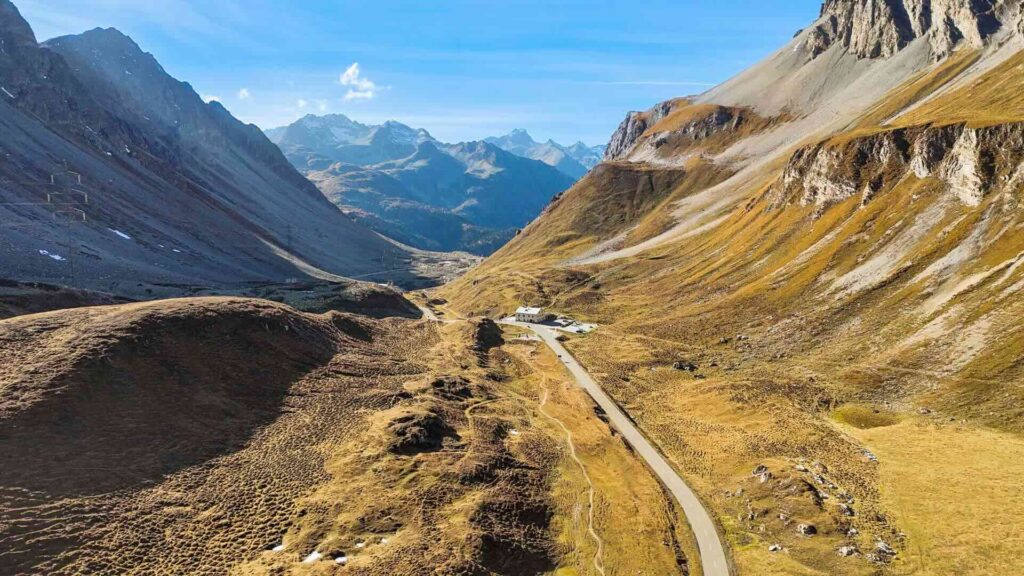
Less busy than some of Switzerland’s headline passes, the Albula Pass offers a more intimate riding experience.
The climb from Bergün is steady and beautifully scenic, passing through tunnels, viaducts, and forests. The road feels old in the best way — purposeful, not overbuilt.
Why it’s special:
Atmosphere, solitude, and steady climbing.
5. Klausen Pass
Old-school Switzerland
The Klausen Pass feels more traditional — narrower, more exposed, and slightly less polished.
That’s what makes it compelling.
The gradients bite harder, the road demands more attention, and the landscape feels rawer. It’s a reminder that Swiss cycling isn’t always smooth — sometimes it’s beautifully stern.
Why it’s special:
Character, challenge, and history.
6. Julier Pass
Big road, big views
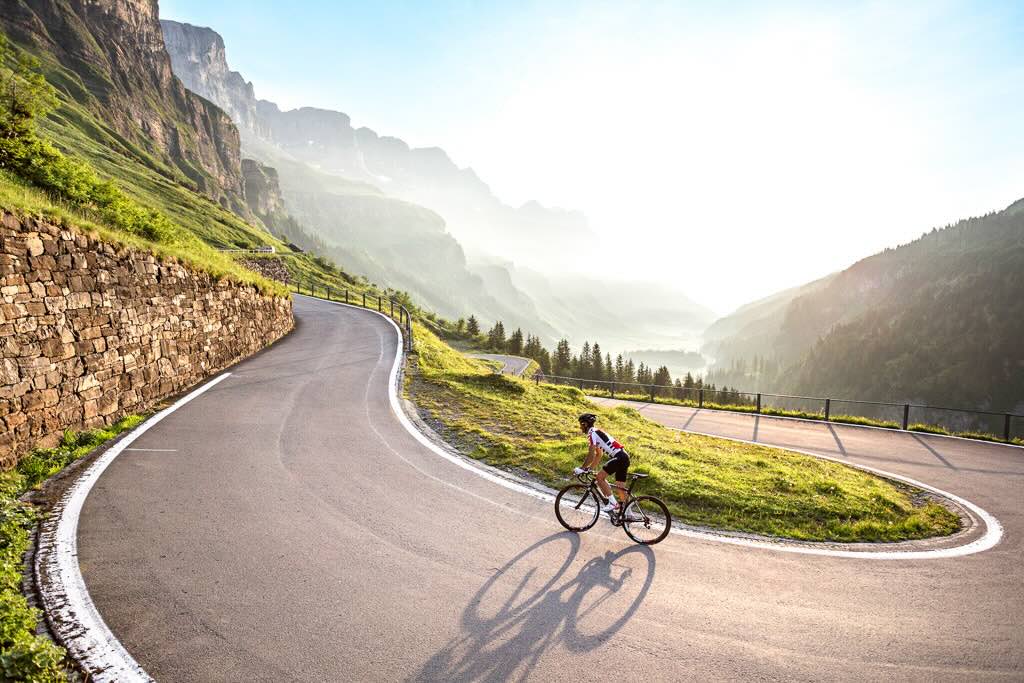
The Julier Pass is wide, open, and unapologetically alpine.
It’s not the most technically demanding climb, but the scale makes it memorable. The road rolls and climbs gradually, making it ideal for strong, steady efforts.
This is riding where pacing matters more than power spikes.
Why it’s special:
Scale, openness, and high-altitude riding.
7. Gotthard Pass (Old Tremola Road)
Cobblestones with soul
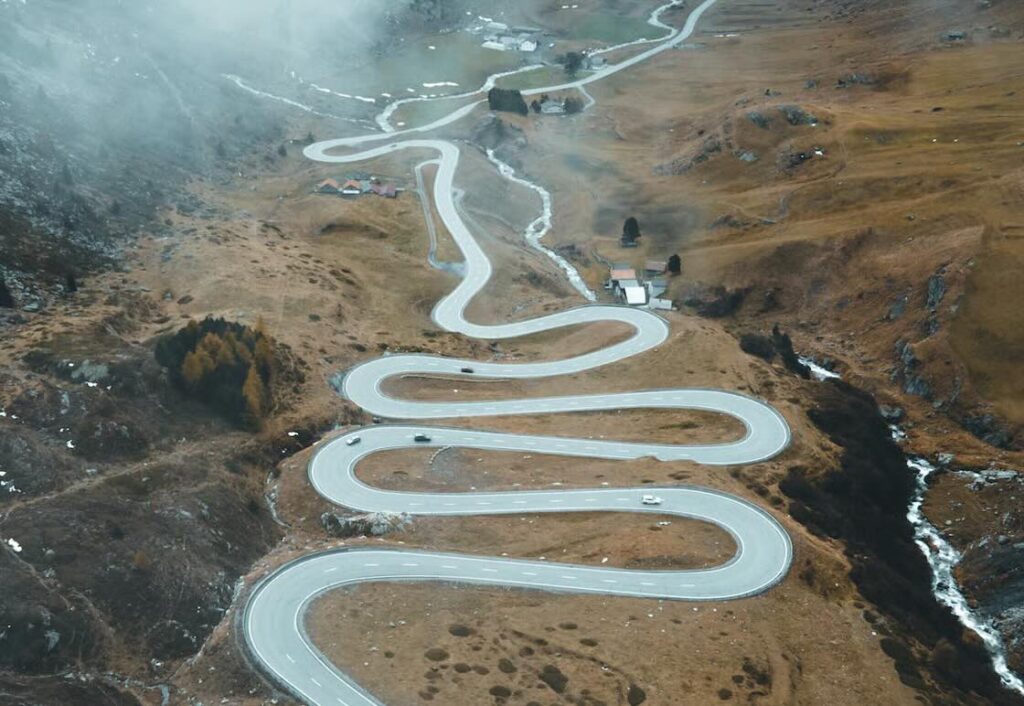
The old Tremola Road is one of the most iconic cycling climbs in the world.
Cobbled switchbacks snake up the mountainside in a way that feels historic rather than brutal. It’s slow, rhythmic, and deeply satisfying, especially if you ride it with wide tyres and respect.
This isn’t a road to rush.
Why it’s special:
History, texture, and a tangible sense of the past.
8. Flüela Pass
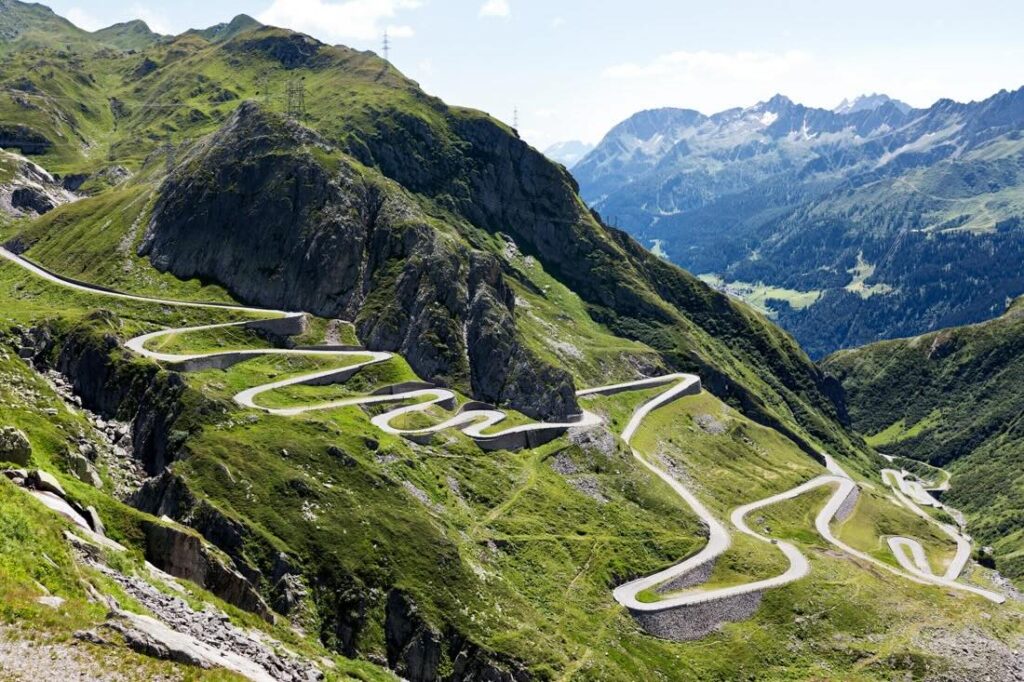
Calm and underrated
The Flüela Pass is often overlooked — and that’s its strength.
Quiet, wide, and well-graded, it rewards riders who prefer calm concentration over spectacle. The scenery is subtle but expansive, and the road encourages a steady, uninterrupted climb.
Why it’s special:
Peace, rhythm, and lack of traffic.
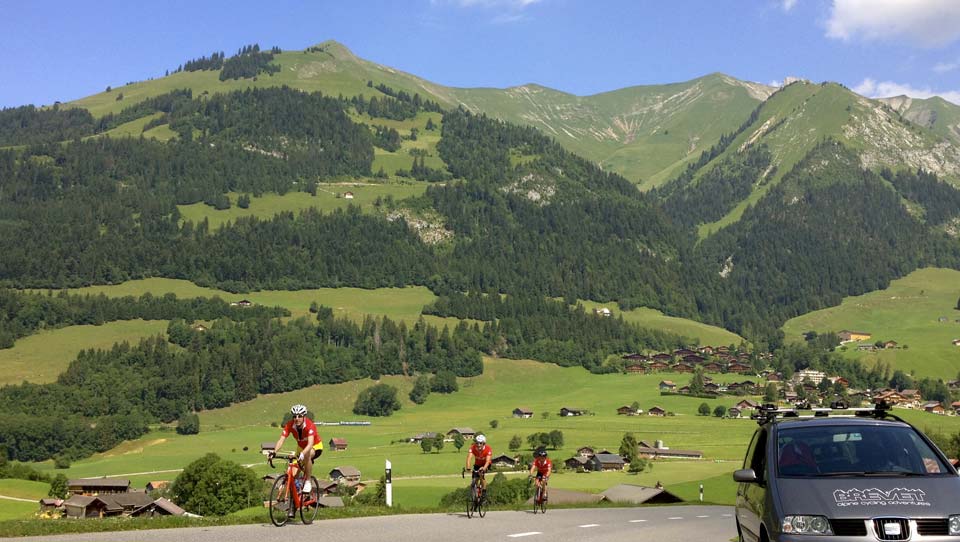
9. Col des Mosses
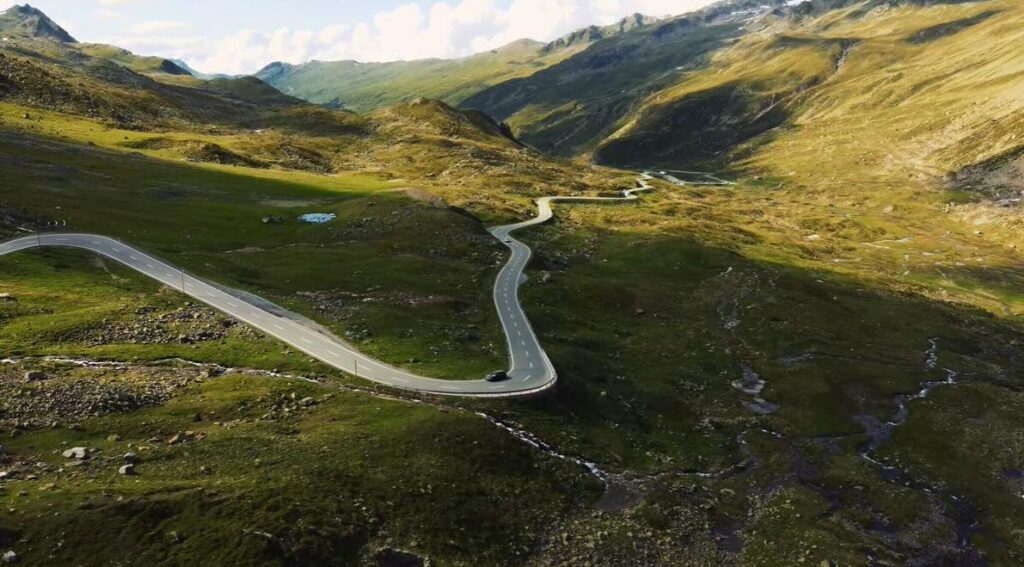
Rolling Swiss countryside
Not all great Swiss cycling is high altitude.
The Col des Mosses offers rolling terrain through alpine meadows and villages. It’s accessible, scenic, and perfect for long days that mix climbing with gentle cruising.
Why it’s special:
Approachability and classic countryside riding.
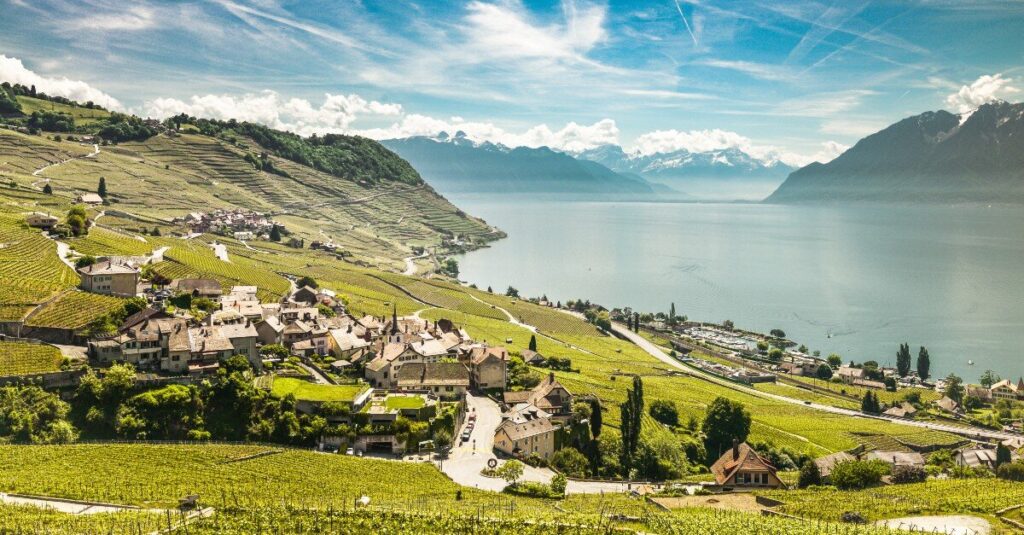
10. Lake Geneva Roads (Montreux to Villeneuve)
Beauty without the suffering
If you want scenic riding without big climbs, the roads around Lake Geneva deliver.
Smooth tarmac hugs the lake, vineyards rise behind you, and the riding feels relaxed and luxurious. Early mornings here are particularly special.
Why it’s special:
Scenic elegance and effortless riding.
When to Ride in Switzerland
Best months:
- June to September (high passes open)
Expect:
- Cool mornings
- Sudden weather changes
- Minimal road debris
- Strict traffic laws
Always check pass openings — snow can linger well into summer.
What Bike Works Best in Switzerland?
Switzerland rewards:
- Stable road bikes
- Wider tyres (28–32mm)
- Reliable brakes
- Sensible gearing
You don’t need the lightest bike. You need the one that feels composed when descending at speed.
Final Thoughts: Swiss Roads Teach You How to Ride
Swiss roads don’t flatter poor pacing.
They reward riders who:
- Ride smoothly
- Respect gradients
- Stay present
- Trust their equipment
If you value rhythm, precision, and roads that feel designed to be ridden, Switzerland offers some of the finest cycling experiences in the world.
Not loud. Not chaotic. Just very, very good.