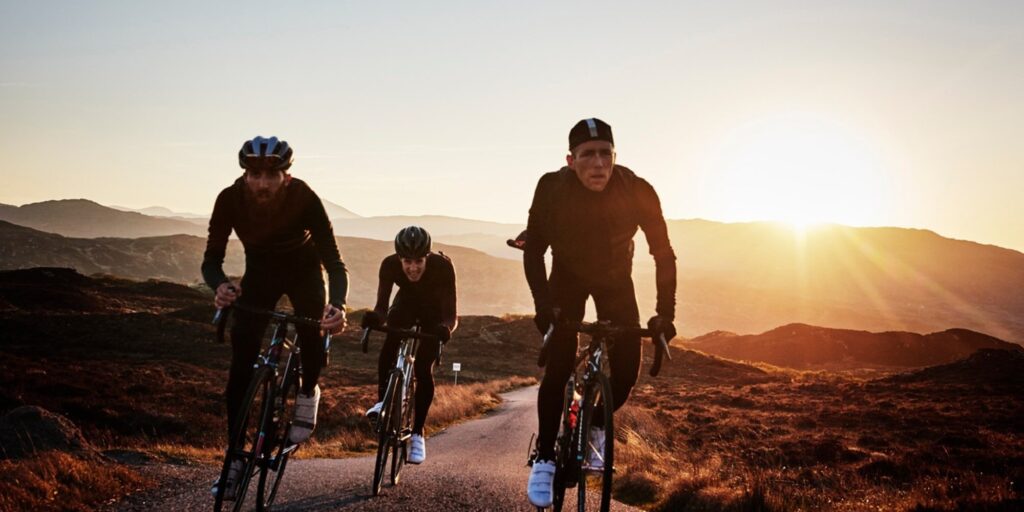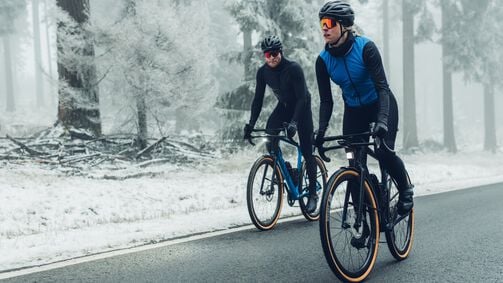
The most brutal bike races and endurance rides ever created. This blog covers the hardest cycling challenges in the world.
Cycling is already a demanding sport. Long climbs, relentless headwinds, and hours in the saddle are part of the experience.
But some cycling events take difficulty to another level entirely.
Across the world, there are races and challenges designed to push riders to the absolute limit, physically, mentally, and emotionally. These events feature enormous distances, brutal terrain, extreme weather, and very little sleep.
Some riders finish these challenges in a matter of days. Others take weeks. Many never finish at all.
Here are some of the hardest cycling challenges in the world, where only the toughest riders make it to the end.
1. Race Across America (RAAM)
Distance: 4,800 km (3,000 miles)
Location: United States
Typical finishing time: 8–12 days
The Race Across America, commonly known as RAAM, is widely considered the toughest endurance cycling race in the world.
Unlike stage races like the Tour de France, RAAM runs continuously from start to finish. Riders must cross the United States from the west coast to the east coast without stopping the clock.
Competitors ride through:
- The deserts of California and Arizona
- The Rocky Mountains
- The Great Plains
- The Appalachian Mountains
To finish, riders must average around 400–500 km per day while surviving extreme temperatures, sleep deprivation, and intense fatigue.
Many riders sleep only 1–3 hours per day.
It’s not just a race, it’s a test of survival.
2. The Transcontinental Race
Distance: 4,000–5,000 km
Location: Across Europe
Type: Unsupported ultra-distance race
The Transcontinental Race is one of the most respected ultra-distance cycling events in the world.
The rules are simple: riders must cycle across Europe between checkpoints — but everything else is up to them.
There are no support teams.
Cyclists must:
- Navigate their own routes
- Carry their own equipment
- Find food, accommodation, and supplies for themselves
Participants often ride 18–20 hours per day, sleeping only briefly at bus stops, parks, or roadside shelters.
The course typically crosses multiple mountain ranges, including the Alps, Balkans, and Pyrenees.
Finishing the race alone is considered a huge achievement.
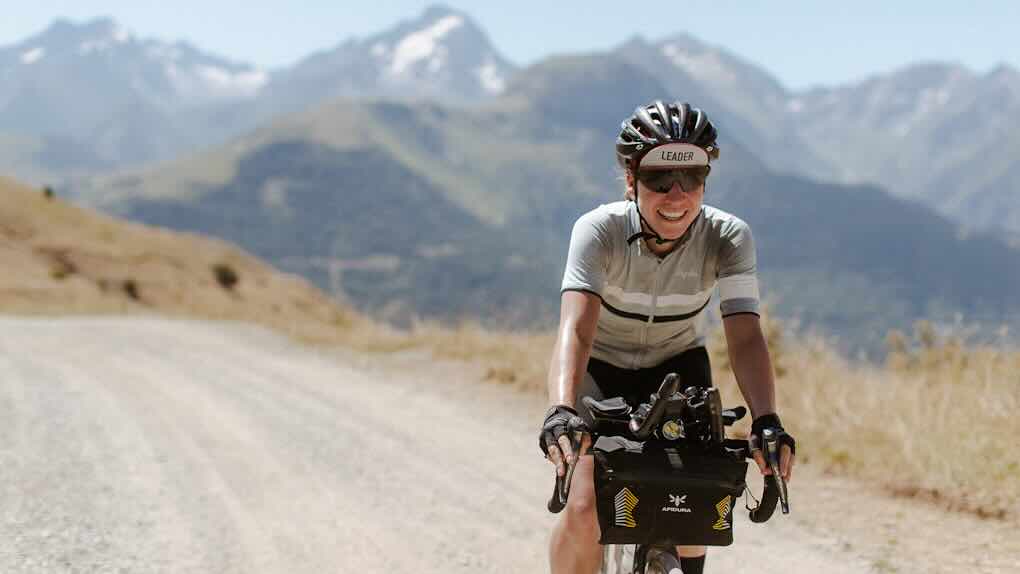
3. Tour Divide
Distance: 4,400 km
Route: Canada to Mexico
Terrain: Off-road and gravel
The Tour Divide follows the Great Divide Mountain Bike Route from Banff, Canada, to the Mexican border.
It’s one of the longest and toughest off-road cycling races on Earth.
Riders face:
- Remote wilderness sections
- Mountain passes above 3,000 metres
- Long gravel and dirt roads
- Wildlife encounters
- Extreme weather
The race is fully self-supported, meaning riders must carry everything they need.
Many cyclists spend two to three weeks completing the route.
Mechanical issues, storms, and exhaustion are constant threats.
4. The Silk Road Mountain Race
Distance: 1,800 km
Location: Kyrgyzstan
Terrain: High mountains and remote trails
The Silk Road Mountain Race is one of the most challenging ultra-endurance bikepacking races in the world.
Set in the mountains of Kyrgyzstan, the route climbs over remote passes that exceed 3,500 metres in altitude.
Riders must deal with:
- High altitude conditions
- Extreme weather changes
- Remote mountain villages
- Long sections with no resupply
The terrain is rough, unpredictable, and brutally demanding.
Just reaching the finish line requires extraordinary resilience.
5. Paris–Brest–Paris
Distance: 1,200 km
Location: France
Type: Ultra-distance randonnée
First held in 1891, Paris–Brest–Paris is one of the oldest long-distance cycling events in the world.
Unlike a traditional race, it’s a randonnée — meaning riders must complete the distance within a set time limit.
The route runs from Paris to Brest on the western coast of France and back again.
Cyclists must complete the 1,200 km journey within 90 hours.
Despite being non-competitive, it remains incredibly demanding. Riders push through:
- Rolling French countryside
- Sleep deprivation
- Long nights on the road
Thousands attempt it every four years, but not everyone finishes.
6. The Trans-Siberian Extreme
Distance: 9,200 km
Location: Russia
Terrain: Long-distance road cycling
The Trans-Siberian Extreme is one of the longest stage races ever created.
The race follows the famous Trans-Siberian route across Russia, from Moscow to Vladivostok.
The journey includes:
- Endless flat roads
- Massive daily distances
- Harsh weather conditions
- Remote, isolated landscapes
Riders must maintain incredible endurance for weeks at a time.
It’s one of the longest and most physically demanding races in professional cycling.
What Makes These Challenges So Difficult?
Several factors combine to make these cycling challenges so extreme.
Distance
Many of these events involve thousands of kilometres of riding with very little recovery time.
Terrain
Mountain climbs, gravel roads, and remote trails increase the physical strain dramatically.
Sleep Deprivation
Ultra-distance riders often sleep only a few hours per night — sometimes less.
Weather
Cyclists may encounter heat, snow, rain, and strong winds within the same event.
Mental Endurance
Perhaps the biggest challenge of all is psychological. Riders must stay motivated through days or weeks of discomfort.
Why Riders Attempt These Challenges
It might sound impossible — but every year, cyclists line up to attempt these brutal rides.
Why?
Because ultra-distance cycling offers something rare: pure adventure.
These challenges strip cycling down to its basics. No distractions. No shortcuts. Just a rider, a bike, and the road ahead.
For many riders, finishing one of these events becomes a life-defining achievement.
Final Thoughts
The hardest cycling challenges in the world aren’t just about speed. They’re about endurance, resilience, and determination.
From the deserts of the United States to the mountains of Central Asia, these races push riders beyond what most people believe is possible.
And while only a small number of cyclists will ever attempt them, they remind us of the incredible power of human endurance.
Because sometimes, the hardest roads lead to the greatest stories.