Few names in cycling carry the same weight, prestige, and heritage as Bianchi. Founded in the 19th century and still producing world-class bikes today, Bianchi is not just a manufacturer — it is a defining force in the history of modern cycling.
From pioneering bicycle innovation in the 1800s to dominating Grand Tours with legendary champions, Bianchi has shaped the sport at every level. Its signature Celeste colour, elegant Italian design, and racing pedigree have made it one of the most recognisable brands on the planet.
This is the history of Bianchi bikes. The oldest bicycle company in continuous existence and one of the most influential names the sport has ever known.
The Founder of Bianchi: Edoardo Bianchi
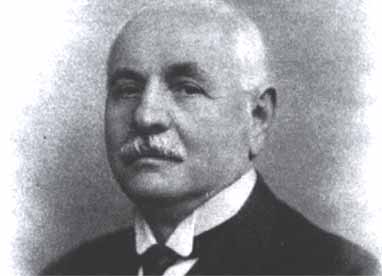
Bianchi was founded in 1885 in Milan, Italy, by Edoardo Bianchi, a skilled mechanic with a passion for precision engineering.
At just 21 years old, Bianchi opened a small workshop where he repaired and built bicycles — but he wasn’t content simply assembling existing designs. He wanted to improve them.
His early innovations included:
– Equal-sized wheels (a major advancement over high-wheel “penny-farthing” bikes)
– Improved braking systems
– Early pneumatic tyre experimentation
– Refined frame geometry for stability and comfort
Bianchi quickly earned a reputation for engineering excellence — and demand for his bicycles grew rapidly across Italy.
Royal Recognition and Early Prestige
Bianchi’s reputation rose even further when he was invited to teach cycling to Queen Margherita of Italy. He built custom bicycles for the royal family, helping elevate cycling’s status across Italian society.
This royal connection established Bianchi not just as a bike builder, but as a premium brand associated with craftsmanship and prestige.
The Birth of Celeste — Cycling’s Most Famous Colour
No history of Bianchi is complete without mentioning Celeste, the brand’s unmistakable turquoise-blue colour.
The exact origin is debated, but popular stories suggest it was inspired by:
– The colour of the Milan sky
– Queen Margherita’s eye colour
– A custom paint mixture from early production
Regardless of the true origin, Celeste became Bianchi’s identity — one of the most recognisable brand colours in any sport.
Bianchi and the Rise of Professional Cycling
As competitive cycling grew in the early 20th century, Bianchi became deeply involved in racing — using competition as both a proving ground and marketing platform.
This decision helped transform the company from a respected manufacturer into a racing legend.
Bianchi bikes would go on to be ridden by some of the greatest cyclists in history — riders who defined entire eras of the sport.
Legendary Riders and Racing Dominance
Fausto Coppi — The Golden Era
No rider is more closely associated with Bianchi than Fausto Coppi.
Riding Bianchi bikes, Coppi dominated professional cycling in the 1940s and 1950s, winning:
– Multiple Giro d’Italia titles
– Multiple Tour de France victories
– World Championship victories
Coppi’s grace, dominance, and innovation transformed cycling — and cemented Bianchi’s reputation as the bike of champions.
His victories made Bianchi globally famous.
Marco Pantani — The Modern Legend
In the 1990s, Bianchi again reached the top of cycling through Marco Pantani, one of the most explosive climbers in history.
Pantani achieved one of the rarest feats in cycling:
✔ Winning both the Tour de France and Giro d’Italia in the same year (1998)
His aggressive climbing style and unforgettable attacks helped define modern Grand Tour racing — and once again put Bianchi at the centre of the cycling world.
Bianchi in the Tour de France
Across more than a century of racing, Bianchi bikes have played a major role in the Tour de France.
Tour victories on Bianchi bikes include:
Fausto Coppi — multiple wins
Felice Gimondi — Tour champion and Grand Tour legend
Marco Pantani — dominant 1998 victory
Few brands can match Bianchi’s deep connection to cycling’s greatest race.
Innovation Through the Decades
Bianchi has never relied solely on heritage. The company has consistently pushed engineering forward, developing new technologies and performance concepts.
Key innovations include:
– Advanced steel frame construction in the early 1900s
– Lightweight aluminium development in the late 20th century
– Carbon fibre race frames in the modern era
– Countervail vibration-cancelling carbon technology
This commitment to innovation ensures Bianchi remains competitive with modern high-performance brands.
Modern Bianchi Road Bikes
Today, Bianchi produces a full range of high-performance road bikes, including:
Oltre Series
Aero race bikes are designed for professional competition.
Specialissima
Lightweight climbing-focused race machines.
Infinito
Endurance road bikes built for long-distance comfort.
Each reflects the brand’s blend of Italian design, racing heritage, and advanced engineering.
Timeline: Key Moments in Bianchi History
1885 — Edoardo Bianchi founds the company in Milan
1890s — Royal patronage boosts brand prestige
Early 1900s — Bianchi becomes deeply involved in professional racing
1940s–1950s — Fausto Coppi dominates cycling on Bianchi bikes
1970s–1980s — Continued Grand Tour success
1998 — Marco Pantani wins Tour de France and Giro d’Italia
2000s–present — Carbon technology and modern race platforms
Today — Global brand with deep racing heritage
Why Bianchi Remains So Important
Bianchi stands apart from many other bike brands because it combines:
– The longest continuous history in cycling
– Iconic design identity (Celeste)
– Deep racing heritage
– Ongoing technological innovation
– Italian craftsmanship and style
It is not simply a brand that existed during cycling history — it helped create it.
Bianchi Today
More than 130 years after its founding, Bianchi remains one of the most respected names in cycling.
Its bikes are ridden by:
– Professional race teams
– Elite amateurs
– Enthusiasts who value heritage and performance
Few companies in any sport can claim such a long and influential presence.
Final Thoughts
Bianchi is more than a bicycle manufacturer. It is a living piece of cycling history.
From Edoardo Bianchi’s small Milan workshop to the summits of the Tour de France, the brand has shaped how bikes are built, how races are won, and how cycling is experienced.
Its legacy is written not just in technology, but in legendary riders, unforgettable victories, and a colour that instantly signals tradition and excellence.
Bianchi is not just the oldest bike company in the world.
It is one of the reasons cycling became what it is today.